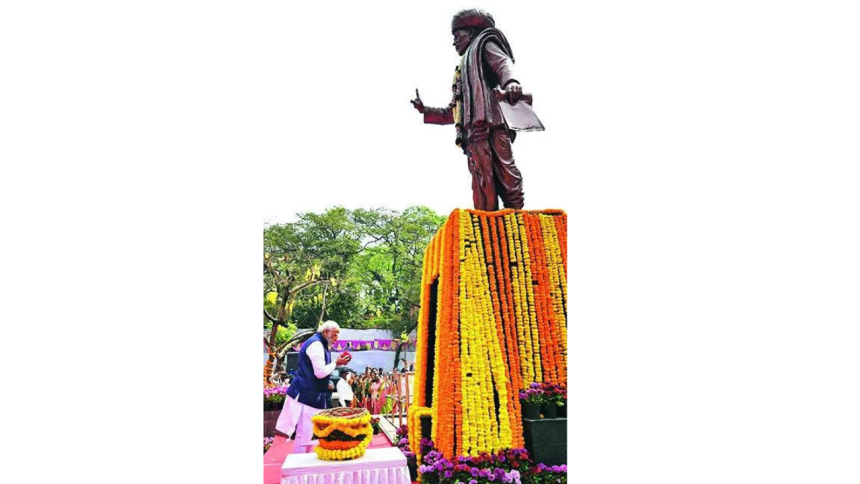
Today, April 11, marks the birth anniversary of Mahatma Jyotirao Phule, a visionary social reformer who dedicated his life to empowering India’s marginalized communities. Born in 1827, Phule’s remarkable journey was defined by his unwavering commitment to challenging oppressive social norms and promoting education, equality, and justice for all. As we commemorate his birth anniversary, we honor not only his remarkable legacy but also the profound impact he continues to have on Indian society.
Early Life and Inspirations
Mahatma Jyotirao Phule’s early life was marked by experiences that would later shape his vision for a more equitable society. Born into a family of gardeners, Phule was exposed to the harsh realities of caste-based discrimination and social injustice from a young age. Despite these challenges, he pursued his education with determination, eventually becoming one of the first Indians to attend a British school in Pune. Phule’s interactions with his Scottish teacher, Thomas Lowe, had a profound influence on his thoughts and ideas, inspiring him to work towards creating a more just and equal society.
Phule’s marriage to Savitribai, a like-minded individual who shared his passion for social reform, marked the beginning of a lifelong partnership that would change the face of Indian society. Together, they established schools for girls and women, challenging the deeply ingrained patriarchal norms that denied them access to education. The Phules’ courageous efforts paved the way for future generations of social reformers and paved the way for a more inclusive and progressive India.
Challenging Social Norms and Promoting Education
Mahatma Jyotirao Phule’s most significant contribution to Indian society was his tireless efforts to challenge oppressive social norms and promote education as a tool for empowerment. He recognized that education was the key to unlocking the potential of marginalized communities and worked relentlessly to establish schools and educational institutions that catered to their needs. Phule’s emphasis on education was not limited to academic learning; he also stressed the importance of moral and social education in shaping responsible and informed citizens.
Phule’s critiques of caste-based discrimination and social injustice were scathing, and he fearlessly confronted those who perpetuated these oppressive systems. His seminal work, ‘Gulamgiri’ (Slavery), is a powerful indictment of the caste system and its dehumanizing effects on Indian society. Through his writings and activism, Phule inspired a generation of social reformers to challenge the status quo and work towards creating a more just and equal society.
Enduring Legacy and Relevance
As we celebrate Mahatma Jyotirao Phule’s birth anniversary, we are reminded of the enduring relevance of his ideas and ideals. His commitment to social justice, education, and equality continues to inspire social reformers, activists, and ordinary citizens across India. Phule’s legacy serves as a powerful reminder of the importance of challenging oppressive social norms and promoting inclusive and progressive values. As India continues to grapple with the challenges of social inequality, caste-based discrimination, and educational disparities, Phule’s vision for a more just and equal society remains a beacon of hope and inspiration.
Today, as we honor Mahatma Jyotirao Phule’s memory, we recommit ourselves to the values he embodied: compassion, empathy, and a deep commitment to social justice. We recognize that his legacy is not just a relic of the past but a living, breathing force that continues to shape our present and inspire our future. As we strive to build a more inclusive and equitable society, we draw strength and inspiration from Phule’s remarkable life and legacy, remembering that his courageous efforts have shown us that even the most entrenched social norms can be challenged and transformed through collective action and determination.