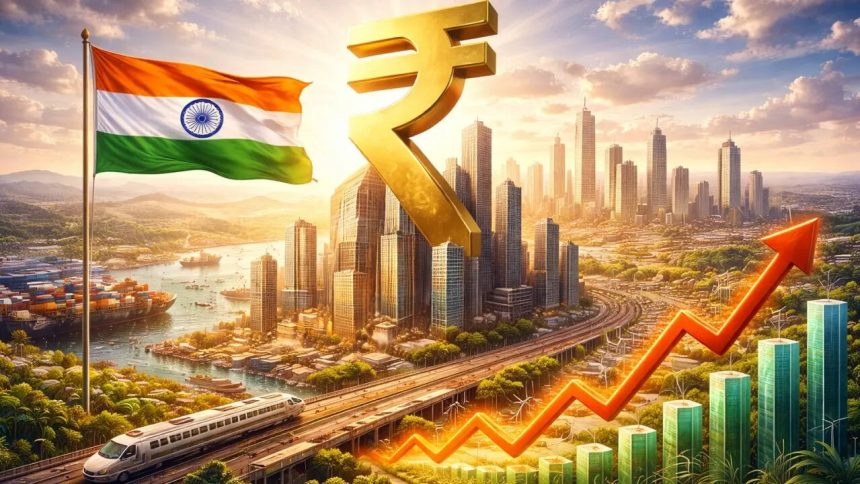
As the Middle East conflict continues to escalate, India has found itself at a critical juncture, prompting the government to re-evaluate its self-reliance strategy to safeguard key supply chains and bolster energy security. The Atmanirbhar Bharat 2.0 initiative has taken center stage, with a renewed focus on reducing dependence on imported energy sources and promoting domestic production. This shift in strategy is expected to have far-reaching implications for India’s energy landscape, with potential benefits for the economy, environment, and national security.
Energy Security: A Top Priority
India’s energy requirements are projected to increase significantly in the coming years, driven by rapid economic growth, urbanization, and industrialization. The country’s reliance on imported energy sources, particularly crude oil and natural gas, has made it vulnerable to price volatility and supply disruptions. To mitigate these risks, the government has set ambitious targets for renewable energy, aiming to generate 40% of its power from non-fossil fuel sources by 2030. This will not only reduce India’s carbon footprint but also create new opportunities for domestic industries and job creation.
The development of nuclear power is also a key component of India’s energy security strategy. With several nuclear reactors under construction, the country is poised to increase its nuclear power capacity, reducing its reliance on fossil fuels and enhancing energy self-sufficiency. Furthermore, India’s nuclear program is expected to play a vital role in the country’s transition to a low-carbon economy, aligning with its commitments under the Paris Agreement.
Diversification of Energy Mix
India’s energy mix is undergoing a significant transformation, driven by the integration of renewable energy sources, improved energy efficiency, and the adoption of new technologies. The government has introduced a range of initiatives to promote the use of solar power, wind energy, and biogas, with a focus on decentralized energy generation and community-led projects. This approach is expected to increase energy access, particularly in rural areas, and reduce the burden on the grid.
The growth of the renewable energy sector is also driving innovation and entrepreneurship, with Indian companies emerging as major players in the global market. The development of new technologies, such as energy storage systems and smart grids, is expected to further accelerate the transition to a low-carbon economy, enabling India to achieve its energy security and climate goals.
Path Ahead: Challenges and Opportunities
While the Atmanirbhar Bharat 2.0 initiative has set the stage for a new era of self-reliance in energy and nuclear power, several challenges need to be addressed to ensure successful implementation. These include the development of critical infrastructure, such as transmission lines and storage facilities, as well as the creation of a favorable policy framework to attract investment and promote innovation. The government will also need to balance the interests of various stakeholders, including industry, civil society, and local communities, to ensure that the benefits of energy self-reliance are shared equitably.
As India embarks on this ambitious journey, the potential benefits are substantial. A self-reliant energy sector will not only enhance national security but also contribute to sustainable economic growth, reduce pollution, and improve the quality of life for millions of citizens. With careful planning, strategic investment, and collaborative effort, India can emerge as a global leader in the transition to a low-carbon economy, setting a powerful example for other countries to follow.