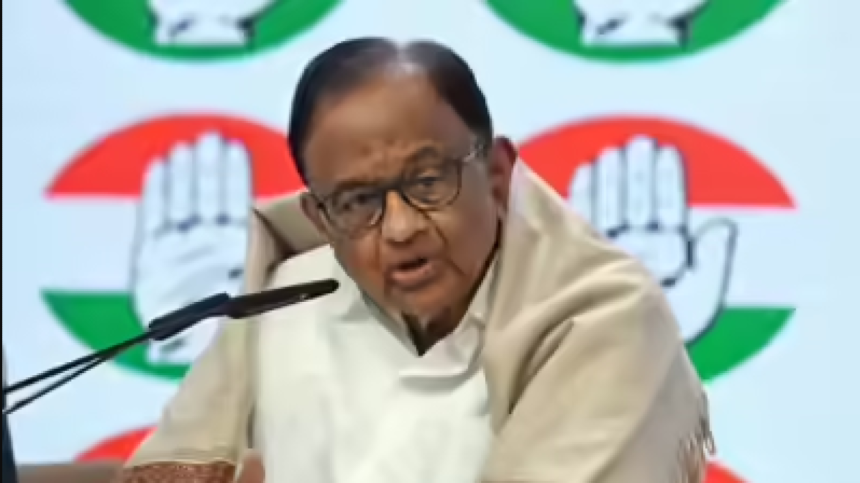
Former Union Minister P Chidambaram’s sharp criticism of the Centre’s plan to increase the number of Lok Sabha seats by 50% in the upcoming delimitation exercise has sent shockwaves across South India. Chidambaram, who served as the Home Minister and Finance Minister under the UPA regime, has accused the Centre of attempting to suppress and stifle the voice of South India in the Lok Sabha through this move. The veteran politician from Tamil Nadu has warned that this decision could have far-reaching consequences for the region and its people.
Delimitation: A Recipe for Undue Influence
The delimitation exercise, aimed at redrawing the electoral boundaries of the Lok Sabha and state legislative assemblies, is set to begin shortly. While the Centre has defended the move, citing the need to provide greater representation to the people, critics like Chidambaram see it as a ploy to concentrate power in the hands of a few. They argue that by increasing the number of Lok Sabha seats, the Centre is attempting to create a skewed representation that will favour the interests of a few states over others. This, they claim, will lead to undue influence in the Lok Sabha and undermine the democratic principles of the country.
Chidambaram has pointed out that the Centre’s plan to increase the number of Lok Sabha seats will disproportionately benefit a few states at the expense of others. He has argued that this move is a clear attempt to consolidate power and undermine the federal structure of the country. The veteran politician has also expressed concerns about the lack of transparency in the delimitation exercise, which he believes will lead to arbitrary and biased decisions.
The Impact on South India
The Centre’s plan to increase the number of Lok Sabha seats in the upcoming delimitation exercise is likely to have a significant impact on South India. Chidambaram has warned that this move will lead to a loss of representation for the people of South India, who will find themselves at a disadvantage in the Lok Sabha. He has argued that this will undermine the democratic rights of the people and create a skewed representation that will favour the interests of a few states over others.
Chidambaram has also expressed concerns about the potential consequences of this move on the economy and development of South India. He has argued that the lack of representation in the Lok Sabha will lead to inadequate allocation of resources and funding for the region, which will have a negative impact on its economy and development.
A Threat to Democracy
The Centre’s plan to increase the number of Lok Sabha seats in the upcoming delimitation exercise has been widely criticized by opposition parties and civil society groups. Chidambaram’s sharp criticism of the move has added to the growing chorus of dissent against the Centre’s decision. As the delimitation exercise begins, the country is bracing itself for a bitter battle over the future of democracy and representation in the Lok Sabha.
The Centre’s plan to increase the number of Lok Sabha seats has raised important questions about the future of democracy and representation in India. As the country debates the merits and demerits of this move, one thing is clear – the consequences of this decision will be far-reaching and will have a significant impact on the country’s democratic fabric. The Centre’s decision to increase the number of Lok Sabha seats is a clear attempt to undermine the democratic principles of the country and consolidate power in the hands of a few. As the delimitation exercise begins, the country must remain vigilant and ensure that the democratic rights of all citizens are protected.