The ongoing conflict in the Middle East has cast a long shadow over India’s economic stability, with far-reaching implications for the nation’s trade and macroeconomic prospects. The NITI Aayog’s recent study has highlighted the risks posed by the Iran war to New Delhi’s trade and macroeconomic stability, sending shockwaves through the Indian business community. As the world’s third-largest oil consumer, India is heavily reliant on imports to meet its energy needs, and any disruption to global oil supplies could have a devastating impact on the nation’s economy.
Trade Implications: A Ticking Time Bomb
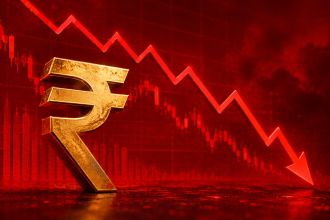
The conflict in the Middle East has already caused a significant spike in oil prices, with Brent crude hovering around $70 per barrel. This surge in oil prices has a ripple effect on India’s trade balance, as the nation’s imports become more expensive. The increased cost of oil imports could lead to a widening trade deficit, which could have a cascading effect on the Indian rupee. A depreciating rupee could make imports even more expensive, exacerbating the trade deficit and creating a vicious cycle of inflation and economic instability.
The NITI Aayog’s study has also highlighted the risks posed by the conflict to India’s trade with other nations. The Middle East is a significant trading partner for India, with the nation’s exports to the region totaling over $15 billion in 2022. Any disruption to trade with the Middle East could have a significant impact on India’s exports, leading to a decline in revenue and a hit to the nation’s economic growth.
Macro Economic Stability: A Delicate Balance
The conflict in the Middle East also poses significant risks to India’s macroeconomic stability. The nation’s economy is heavily dependent on foreign capital inflows, and any disruption to global economic stability could lead to a decline in foreign investment. This could have a significant impact on India’s economic growth, as foreign investment is a key driver of economic expansion.
The NITI Aayog’s study has also highlighted the risks posed by the conflict to India’s financial sector. The nation’s banks are heavily exposed to foreign currency risks, and any depreciation of the rupee could lead to significant losses for the banking sector. This could have a ripple effect on the nation’s financial stability, leading to a decline in consumer confidence and a hit to economic growth.
Preparing for the Worst: A Call to Action
The conflict in the Middle East is a stark reminder of the risks posed by global economic instability to India’s trade and macroeconomic stability. The NITI Aayog’s study highlights the need for the nation to prepare for the worst-case scenario and to take proactive steps to mitigate the risks posed by the conflict. This could include diversifying India’s energy imports, increasing foreign exchange reserves, and implementing policies to boost domestic economic growth.
The Indian government must take immediate action to address the risks posed by the conflict and to protect the nation’s economic stability. This could include implementing policies to boost domestic economic growth, increasing foreign exchange reserves, and diversifying India’s energy imports. By taking proactive steps to mitigate the risks posed by the conflict, the Indian government can help to protect the nation’s economic stability and ensure a smooth recovery from any potential shock.
As the conflict in the Middle East continues to unfold, it is imperative that the Indian government takes a proactive approach to addressing the risks posed by the conflict. The nation’s economic stability is at risk, and it is up to the government to take the necessary steps to protect it. By working together, the Indian government and the business community can ensure a smooth recovery from any potential shock and maintain India’s economic stability in the face of global uncertainty.