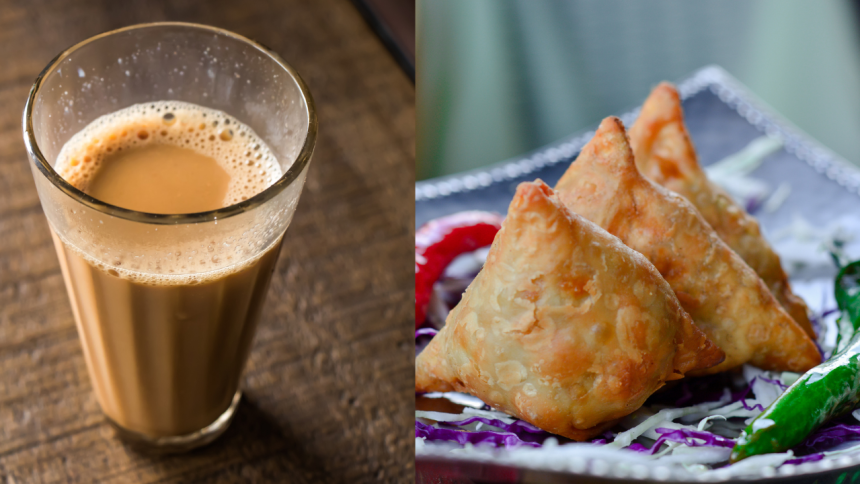
When it comes to Indian cuisine, many foreigners often assume that the food is always fiery, heavy, and impossibly complex. But nothing could be further from the truth. Indian dishes are a reflection of the country’s rich cultural diversity, with each region boasting its own unique flavors, ingredients, and cooking techniques. From north to south, east to west, Indian cuisine is a vibrant tapestry of flavors, textures, and aromas that defy easy categorization. And yet, despite the incredible variety, many Indian dishes are often misunderstood by outsiders, who tend to view them through a Western lens. In this article, we’ll explore eight Indian dishes that are often misunderstood, and why they deserve a second look.
The Misadventures of ‘Curry’
Let’s start with the most obvious culprit: ‘curry’. For many Westerners, the word ‘curry’ conjures up images of a thick, saucy dish packed with a mix of spices and served over rice. But in India, ‘curry’ is a generic term that encompasses a wide range of dishes, each with its own unique flavor profile and texture. From the cream-based curries of the north to the coconut-based curries of the south, the variety of Indian curries is staggering. And yet, despite this diversity, many foreigners tend to lump all curries together, unaware of the subtle nuances that set each dish apart. Take, for example, the famous ‘Chicken Tikka Masala’, a dish that originated in the UK and is often mistaken for an authentic Indian recipe. In reality, Chicken Tikka Masala is a British invention, created by Indian chefs in the UK to cater to local tastes. It’s a delicious dish, to be sure, but it’s hardly an authentic representation of Indian cuisine.
So what’s the problem with ‘curry’? For one, the term is too broad, encompassing a wide range of dishes that are often quite different from one another. For another, the assumption that all curries are spicy and saucy is simply not true. Many Indian curries are mild and creamy, with flavors that are more akin to a rich sauce than a fiery stew. And then, of course, there’s the issue of cultural appropriation, where Western chefs and foodies insist on ‘Indianizing’ dishes that are actually the result of cross-cultural fusion.
The Spices of Life: Unpacking the Myths of Indian Cuisine
Another common misconception about Indian cuisine is that it’s all about the spices. And while it’s true that Indian cooking makes liberal use of spices, the assumption that these spices are always hot and overpowering is simply not true. In reality, Indian spices are used to create a wide range of flavors, from the subtle warmth of cardamom and cinnamon to the pungency of garlic and ginger. And then, of course, there’s the issue of regional variation, where different parts of India use different spices to create unique flavor profiles. Take, for example, the spices used in the north, which often feature a combination of cumin, coriander, and turmeric, while the south relies on a blend of chilies, coconut, and tamarind. The resulting flavors are nothing short of magical, a testament to the incredible diversity of Indian cuisine.
So what’s the secret to Indian cooking? For one, it’s all about balance, where a delicate harmony of spices, herbs, and other ingredients creates a flavor profile that’s both complex and subtle. For another, it’s about technique, where the slow cooking of ingredients over low heat creates a depth of flavor that’s impossible to replicate in a Western kitchen. And then, of course, there’s the issue of emotional memory, where Indian dishes are often tied to memories of family, friends, and community. Whether it’s a traditional wedding feast or a simple street food snack, Indian cuisine is always about more than just the food itself – it’s about the people, the place, and the cultural context in which it’s served.
The Regional Variations of Indian Cuisine
Finally, there’s the issue of regional variation, where different parts of India boast their own unique cuisines and flavor profiles. From the spicy curries of the south to the rich, creamy sauces of the north, the variety of Indian cuisine is staggering. And yet, despite this diversity, many foreigners tend to view Indian cuisine as a single, monolithic entity, unaware of the subtle nuances that set each region apart. Take, for example, the cuisine of the state of Kerala, which is known for its use of coconut, chilies, and tamarind to create a unique flavor profile that’s both spicy and sweet. Or consider the cuisine of the state of Punjab, which is famous for its rich, creamy sauces and delicate flavors, often featuring a combination of cumin, coriander, and turmeric.
So what’s the takeaway from this article? For one, Indian cuisine is a vibrant tapestry of flavors, textures, and aromas that defy easy categorization. For another, it’s a cuisine that’s deeply rooted in culture, history, and community, where each dish is tied to memories of family, friends, and place. And finally, it’s a cuisine that’s often misunderstood by outsiders, who tend to view it through a Western lens and assume that all Indian food is the same. But as we’ve seen, nothing could be further from the truth. Indian cuisine is a rich and complex world, full of surprises and delights. So next time you’re in the kitchen, try experimenting with some new Indian recipes – you might just discover a whole new world of flavors and flavors waiting to be explored.