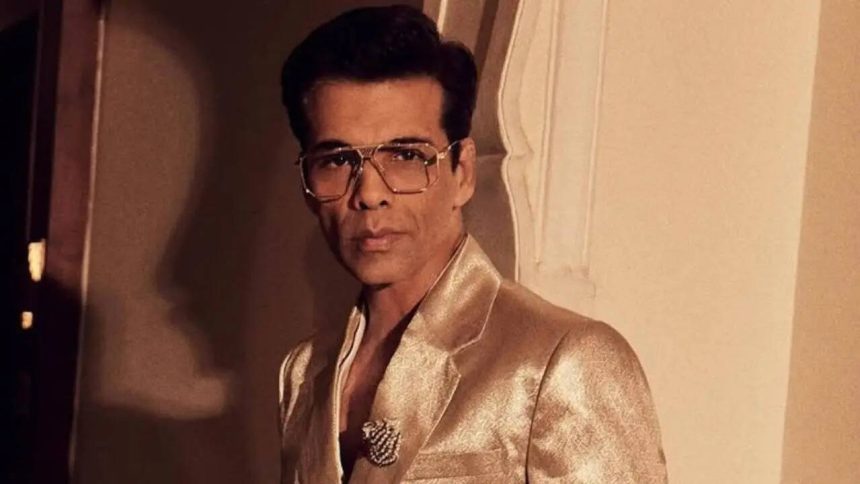
Karan Johar, a prominent figure in the Bollywood film industry, has recently expressed his concerns over the growing trend of hyper-masculine storytelling in Indian cinema. Johar’s comments have sparked a debate about the portrayal of masculinity in Bollywood films, with many industry insiders and fans weighing in on the issue. The filmmaker’s remarks come at a time when Bollywood is witnessing a surge in films that glorify toxic masculinity, leaving many to wonder if this shift in storytelling is a reflection of the changing societal values.
The Rise of Hyper-Masculine Storytelling
The past few years have seen a significant increase in Bollywood films that celebrate hyper-masculine characters, often depicted as invincible, aggressive, and dismissive of emotions. These characters are frequently shown as the heroes of the story, with their toxic behavior being romanticized and even glorified. Johar’s criticism of this trend is not unfounded, as many of these films have been commercially successful, leading to a proliferation of similar storylines and characters. The implications of this trend are far-reaching, with many worrying that it may perpetuate harmful gender stereotypes and contribute to a culture of toxicity.
The hyper-masculine trend in Bollywood can be attributed to a combination of factors, including the changing demographics of the Indian audience and the influence of global cinema. The rise of streaming platforms has also played a significant role, as they have enabled filmmakers to push boundaries and experiment with new content. However, this shift has also raised concerns about the lack of diversity in storytelling and the limited representation of complex, nuanced male characters.
The Impact on Audiences and Society
Johar’s comments highlight the potential impact of this trend on audiences, particularly young men who may be influenced by the toxic masculinity portrayed in these films. The glorification of aggressive behavior and the suppression of emotions can have serious consequences, including the perpetuation of violence and the reinforcement of harmful gender stereotypes. Furthermore, the lack of diverse representation in these films can limit the perspectives and experiences of audiences, contributing to a narrow and simplistic understanding of masculinity.
The implications of this trend extend beyond the film industry, as they reflect and shape societal attitudes towards masculinity and gender. The portrayal of hyper-masculine characters in Bollywood films can contribute to a culture of toxicity, where men are expected to conform to traditional notions of masculinity and women are often relegated to secondary roles. This can have serious consequences, including the perpetuation of gender-based violence and the limitation of opportunities for women and other marginalized groups.
A Call for Change
Johar’s criticism of the hyper-masculine trend in Bollywood is a call to action, urging filmmakers to rethink their approach to storytelling and to consider the potential impact of their films on audiences. By promoting more diverse and nuanced representations of masculinity, filmmakers can contribute to a more inclusive and equitable society. This requires a fundamental shift in the way that masculinity is portrayed in Bollywood films, one that prioritizes complexity, empathy, and vulnerability over aggression and toxicity.
As the Bollywood film industry continues to evolve, it is essential that filmmakers prioritize responsible storytelling and consider the potential consequences of their work. By doing so, they can create films that not only entertain but also inspire and educate, contributing to a more just and equitable society. The debate sparked by Johar’s comments is a significant step in this direction, as it highlights the need for a more nuanced and thoughtful approach to storytelling in Bollywood.