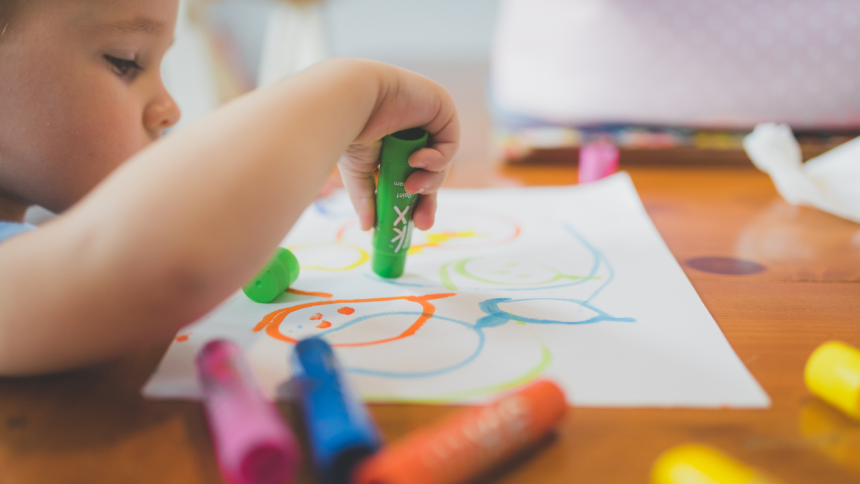
When it comes to cultivating creativity and sparking imagination in children, few activities are as simple yet effective as drawing. While many of us view drawing as a mere hobby, a wealth of research suggests that it’s far more than just a creative outlet – it’s a powerful tool for brain development. From boosting perception and memory to fostering early social understanding and fine motor control, drawing offers a multitude of benefits that can have a lasting impact on a child’s cognitive and emotional growth. As parents and caregivers, we often overlook the significance of drawing in our children’s lives, but it’s time to give this beloved activity the recognition it deserves.
Enhancing Perception and Cognitive Development
One of the primary benefits of drawing for children is its ability to enhance perception and cognitive development. When children draw, they’re not just creating a visual representation of their surroundings – they’re actively processing and interpreting sensory information. This helps to develop their ability to recognize and distinguish between different shapes, colors, and textures, laying the foundation for future learning and problem-solving skills. Research has shown that children who engage in regular drawing activities demonstrate improved spatial awareness, visual processing, and memory skills compared to their peers who do not.
Moreover, drawing allows children to experiment with different materials and techniques, such as mixing colors, creating patterns, and exploring texture. This sensory exploration not only expands their creative horizons but also helps to develop their fine motor skills, hand-eye coordination, and dexterity. As children continue to draw, they begin to refine their ability to focus, concentrate, and manipulate objects, all of which are essential for academic and personal success.
Fostering Social Understanding and Emotional Intelligence
While drawing is often associated with individual creativity, it can also play a significant role in fostering social understanding and emotional intelligence in children. When children draw together, they’re able to share ideas, collaborate, and communicate their thoughts and feelings in a non-verbal way. This helps to develop important social skills, such as empathy, self-awareness, and conflict resolution. Research has shown that children who engage in collaborative drawing activities demonstrate improved social skills, including cooperation, sharing, and mutual respect.
Furthermore, drawing can be a powerful tool for emotional expression and regulation. When children create art, they’re able to convey their emotions, thoughts, and experiences in a safe and non-verbal way. This can help to develop their emotional intelligence, self-awareness, and resilience, all of which are essential for navigating the complexities of childhood and beyond.
Supporting Brain Development and Learning
Perhaps one of the most significant benefits of drawing for children is its ability to support brain development and learning. As children engage in regular drawing activities, they’re exercising multiple areas of their brain simultaneously, including those responsible for perception, memory, motor control, and social understanding. This can have a lasting impact on their cognitive and emotional growth, setting the stage for future academic success and personal achievement. Research has shown that children who engage in regular drawing activities demonstrate improved academic performance, including reading, writing, and math skills.
Moreover, drawing can be a powerful tool for learning and retention. When children create art, they’re able to reinforce their understanding of new concepts and ideas, making them more memorable and accessible. This can be particularly beneficial for children who learn through visual aids, such as diagrams, charts, and illustrations. By incorporating drawing into their learning routine, children can develop a deeper understanding of complex concepts and ideas, leading to improved academic performance and a lifelong love of learning.
As we continue to navigate the complexities of modern childhood, it’s essential that we give drawing the recognition it deserves as a powerful tool for brain development and learning. By embracing this beloved activity and encouraging our children to draw, we can help to unlock their full potential, foster creativity and imagination, and set them on a path towards academic success and personal achievement.