The unearthing of a 500-year-old skeleton in a Leicester parking lot in 2012 was a momentous discovery that captivated the world of archaeology and history. The remains of King Richard III, the last English king to die in battle, would go on to reveal a wealth of information about the monarch’s life, death, and the tumultuous events that led to the end of the Plantagenet dynasty. As the excavation and subsequent DNA analysis progressed, a remarkable story began to unfold, shedding light on the forgotten king’s true identity and his lasting impact on the city of Leicester.
Unraveling the Mystery of the Leicester Skeleton
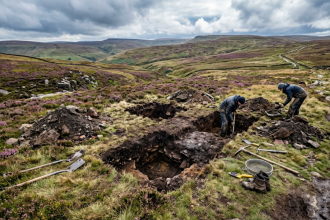
The discovery of the Leicester skeleton was a serendipitous one, sparked by the construction of a new council car park on a site once occupied by the medieval Greyfriars Church. A team of archaeologists from the University of Leicester, led by Dr. Richard Buckley, began excavating the site in 2007, but it wasn’t until 2012 that they stumbled upon the remains of a young man buried beneath the parking lot. Initial analysis suggested that the skeleton was that of a man in his mid-30s, but it wasn’t until DNA testing was conducted that the astonishing truth began to emerge.
The DNA results, which were verified by multiple independent labs, confirmed that the skeleton was indeed that of King Richard III. The DNA analysis revealed a direct match with a descendant of Richard III’s sister, Anne of York, providing conclusive evidence of the king’s identity. The team was ecstatic, knowing that they had uncovered a piece of history that would rewrite the textbooks on English monarchs.
King Richard III: A Life of Power and Intrigue
King Richard III, who ruled England from 1483 to 1485, was a complex and multifaceted individual. His life was marked by power struggles, family feuds, and ultimately, his downfall at the Battle of Bosworth Field. The DNA analysis and subsequent archaeological excavations provided a detailed picture of the king’s final days, including the injuries he sustained during the battle. The researchers discovered that Richard III suffered a severe blow to the skull, which would have rendered him unconscious, and a further injury to the spine, which would have left him paralyzed.
The excavation also revealed a number of artifacts associated with Richard III, including a silver-gilt boar, a symbol of his family crest. The boar was discovered buried alongside the king’s remains, and its presence provided further evidence of the king’s identity. The researchers also found a number of other artifacts, including a gold ring and a piece of a medieval brooch, which added to the picture of a life of luxury and excess.
A Lasting Legacy in Leicester
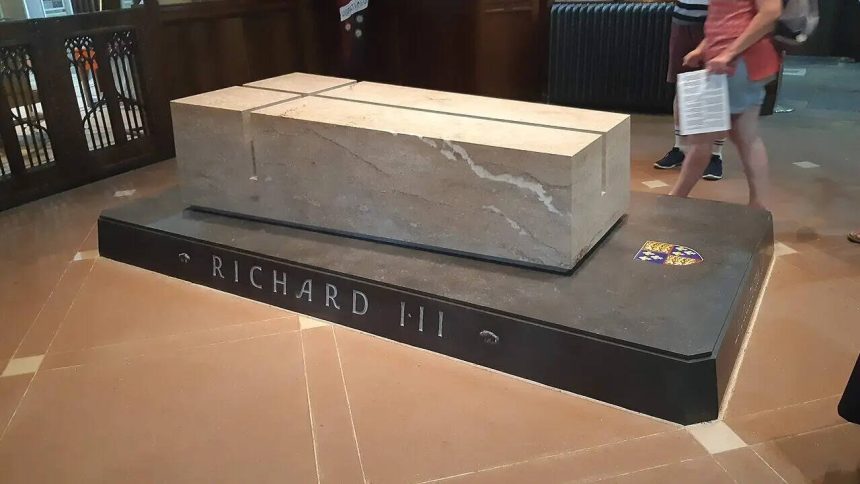
The discovery of King Richard III’s remains has had a profound impact on the city of Leicester. The excavation has sparked a renewed interest in the city’s history, with many locals and visitors flocking to the site to learn more about the monarch’s life and death. The university has established a museum dedicated to Richard III, which features a number of artifacts and exhibits related to the king’s life and legacy.
As the city continues to grapple with the implications of the discovery, it is clear that King Richard III’s legacy will endure for generations to come. The story of the lost king, who was once shrouded in mystery, has been brought to life through the tireless efforts of the archaeology team. Their groundbreaking work has not only shed light on the monarch’s true identity but has also provided a fascinating glimpse into the lives of those who came before us.