The discovery of Chauvet Cave in 1994 was a pivotal moment in the history of archaeology, offering a fascinating glimpse into the lives of early humans. Three explorers, following a faint breeze into a hidden cave, stumbled upon a treasure trove of ancient artifacts and artwork, sealed away for 30,000 years. The cave, located in the Ardèche region of France, has been a subject of intense interest and study, providing invaluable insights into the creative expression and daily lives of our ancient ancestors.
Unlocking the Secrets of the Cave
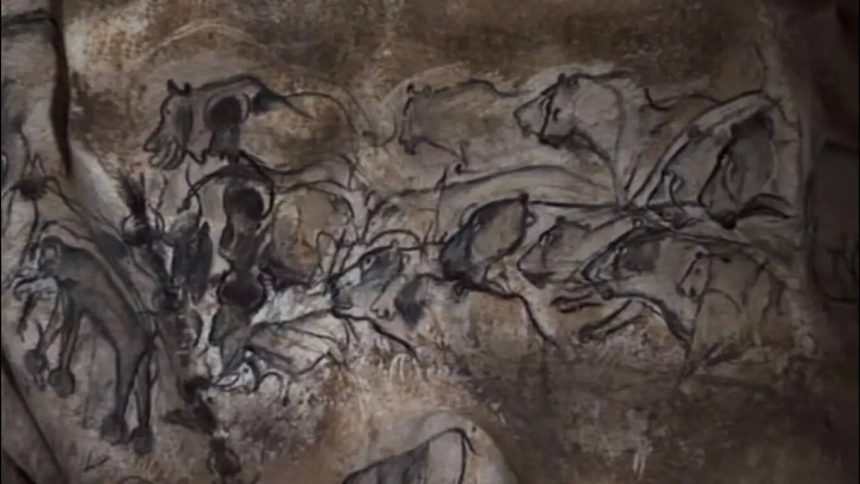
The cave’s most striking feature is its extensive collection of prehistoric artwork, including paintings, engravings, and drawings. The images depict a wide range of subjects, from animals such as lions, mammoths, and horses, to abstract symbols and human figures. The level of detail and sophistication in these artworks is remarkable, demonstrating a high degree of artistic skill and expression. The discovery of Chauvet Cave has significantly expanded our understanding of early human creativity, pushing back the known date of figurative art by thousands of years.
The cave’s unique conditions have allowed the preservation of these ancient artworks, with the stable temperature and humidity creating an ideal environment for the artifacts to remain intact. The lack of human disturbance over the past 30,000 years has also contributed to the exceptional state of preservation, providing a snapshot of life in the Ice Age. As researchers continue to study the cave and its contents, they are gaining a deeper understanding of the lives and cultures of early humans, including their spiritual beliefs, hunting practices, and social structures.
The Artistic Expression of Early Humans
The artwork in Chauvet Cave is not only remarkable for its age but also for its quality and diversity. The images are characterized by a sense of movement and energy, with the animals depicted in dynamic poses. The use of color is also noteworthy, with the artists employing a range of pigments, including red ochre, yellow ochre, and carbon black. The level of detail in the artwork is impressive, with some images featuring intricate patterns and textures. The discovery of Chauvet Cave has raised important questions about the development of artistic expression in early humans, including the role of art in their daily lives and the ways in which it was used to communicate and convey meaning.
The study of the artwork in Chauvet Cave has also provided insights into the cognitive and creative abilities of early humans. The level of sophistication and complexity in the artwork suggests a high degree of cognitive development, with the artists demonstrating an ability to think abstractly and conceptually. The use of symbolism and metaphor in the artwork also indicates a sophisticated understanding of the world and the human experience. As researchers continue to study the cave and its contents, they are gaining a deeper understanding of the evolution of human cognition and creativity.
Preserving the Past for Future Generations
The discovery of Chauvet Cave has highlighted the importance of preserving our cultural and natural heritage for future generations. The cave is a unique and fragile environment, requiring careful management and protection to ensure its preservation. The French government has taken steps to protect the cave, including restricting access and implementing conservation measures. Researchers are also working to develop new technologies and methods for preserving and studying the cave and its contents, including 3D scanning and virtual reality. By preserving the past, we can gain a deeper understanding of our shared human experience and the complexities of human history.
The discovery of Chauvet Cave is a powerful reminder of the importance of preserving our cultural and natural heritage. As we continue to explore and study the cave and its contents, we are gaining a deeper understanding of the lives and cultures of early humans, including their creative expression, spiritual beliefs, and daily lives. The cave is a time capsule, sealed away for 30,000 years, and its discovery has opened up new avenues of research and inquiry, allowing us to glimpse the past in a way that was previously unimaginable. The preservation of Chauvet Cave is a testament to our commitment to understanding and protecting our shared human heritage, ensuring that the secrets of the past are preserved for future generations to discover and explore.