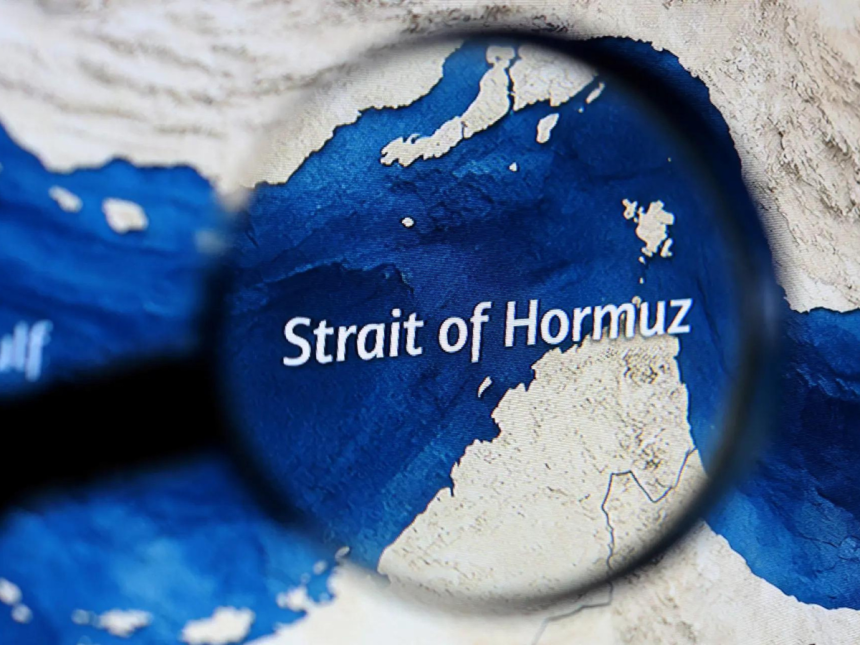
The global community is holding its collective breath as tensions between Iran and the United States continue to simmer, with no signs of resolution on the horizon. While the situation in the region may seem abstract and remote to many, it has significant implications for India’s national interests, particularly its energy security. The Gulf of Hormuz, a strategic waterway at the heart of the Middle East, is the world’s most critical oil chokepoint, with approximately 20% of global oil exports passing through it. India, a major oil-importing nation, relies heavily on these imports to fuel its rapidly growing economy. As the situation in the Gulf of Hormuz remains fluid, India must carefully weigh its options and prioritize its national interests.
Strategic Vulnerabilities
India’s energy security is deeply intertwined with the stability of the Gulf of Hormuz. The country’s dependence on imported oil makes it vulnerable to potential disruptions in the region, which could have far-reaching economic and social consequences. The recent standstill in negotiations between Iran and the US has heightened concerns about the potential for a wider conflict, which could impact oil production and exports in the region. India’s strategic vulnerabilities in the Gulf of Hormuz are further compounded by its limited influence in regional affairs and its dependence on other nations for its energy needs.
The country’s geographic location, situated at the confluence of the Indian Ocean and the Arabian Sea, also makes it susceptible to the impacts of any conflict in the region. A potential closure of the Strait of Hormuz or disruptions to oil supplies would have severe consequences for India’s economy, which is heavily reliant on imported oil. The Indian government must therefore take a proactive approach to mitigate these risks and ensure the country’s energy security.
Economic Considerations
The economic implications of a potential conflict in the Gulf of Hormuz are far-reaching and could have devastating consequences for India’s economy. The country’s GDP is heavily reliant on imported oil, and any disruption to these supplies could lead to economic stagnation, high inflation, and social unrest. The Indian government must therefore prioritize its energy security and explore alternative sources of energy to reduce its dependence on imported oil.
India’s economic interests in the region are also linked to its growing trade ties with the Middle East. The country’s strategic location and its expanding trade relationships with nations in the region make it an important player in regional affairs. The Indian government must therefore engage with regional stakeholders to promote stability and cooperation in the region, while also protecting its own national interests.
India’s Options
India has several options to mitigate the risks associated with the Gulf of Hormuz, including diversifying its energy sources, investing in alternative energy technologies, and engaging with regional stakeholders to promote stability and cooperation. The country’s growing energy demands and its reliance on imported oil make it imperative for the Indian government to prioritize its energy security and explore alternative sources of energy.
The Indian government must also engage with regional stakeholders to promote stability and cooperation in the region. This could involve establishing closer ties with regional nations, investing in regional infrastructure, and participating in regional security forums. By taking a proactive approach to its energy security and engaging with regional stakeholders, India can ensure its national interests in the region and promote stability and cooperation in the Gulf of Hormuz.
The situation in the Gulf of Hormuz is complex and fluid, and India must carefully weigh its options and prioritize its national interests. The country’s energy security, economic stability, and strategic vulnerabilities in the region make it imperative for the Indian government to take a proactive approach to mitigate the risks associated with the Gulf of Hormuz.
As the world watches with bated breath, India must navigate the horns of a dilemma and prioritize its national interests in the region. The country’s energy security, economic stability, and strategic vulnerabilities in the Gulf of Hormuz demand a proactive approach from the Indian government, which must engage with regional stakeholders, diversify its energy sources, and invest in alternative energy technologies.