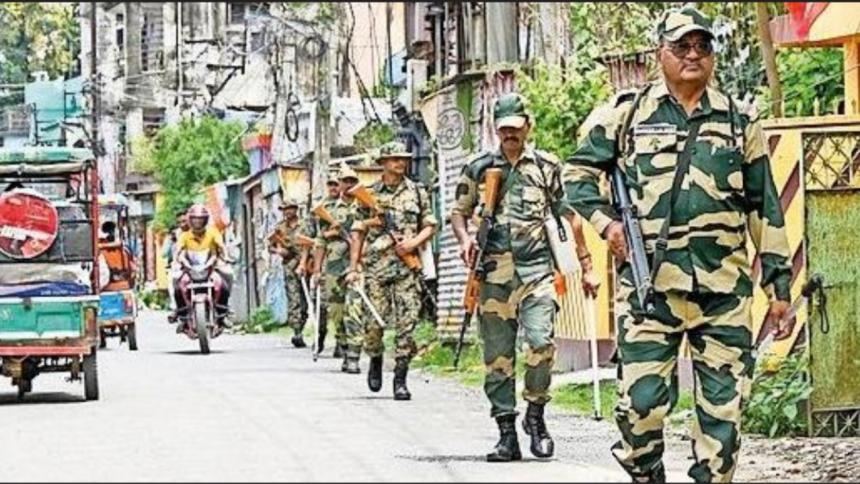
As the country prepares for the counting of votes in the West Bengal assembly polls, the Election Commission is anticipating potential post-result unrest and taking proactive measures to maintain law and order. The poll body has decided to retain around 70,000 Central Armed Police Forces (CAPF) personnel in the state to ensure a smooth transition of power and prevent any untoward incidents. This move is seen as a precautionary measure to prevent any violence or clashes between rival groups, a common occurrence in the state’s electoral history.
History of Post-Poll Unrest in Bengal
The state of West Bengal has been plagued by post-poll violence in the past, with the most recent instance being the 2021 assembly polls. The Trinamool Congress, led by Mamata Banerjee, had emerged victorious but the opposition BJP and Left Front parties had alleged widespread rigging and intimidation of voters. The situation had led to clashes between supporters of the rival parties, resulting in several injuries and arrests. The Election Commission had to intervene and deploy additional security forces to maintain peace in the state.
The history of post-poll violence in Bengal dates back to the 1960s, with the state witnessing several instances of violence and clashes between rival political groups. The situation has only worsened over the years, with the opposition parties accusing the ruling party of rigging and intimidation. The Election Commission has been criticized for not doing enough to prevent post-poll violence in the state, but this time around, it seems to have taken a proactive approach by retaining additional security forces.
What This Means for Bengal’s Electorate
The retention of additional security forces by the Election Commission is seen as a positive move by many, especially the opposition parties who have been critical of the ruling party’s handling of post-poll violence. The move is expected to provide a sense of security and stability to the electorate, who have been living in fear of violence and intimidation for years.
The opposition parties, including the BJP and Left Front, have welcomed the Election Commission’s decision to retain additional security forces. They have called for a peaceful and fair democratic process, which has been marred by violence and clashes in the past. The ruling Trinamool Congress, on the other hand, has been quiet on the issue, with party leaders avoiding commenting on the Election Commission’s decision.
The Road Ahead for Bengal
As the counting of votes begins, the Election Commission’s decision to retain additional security forces will be closely watched by the electorate and the media. The situation in Bengal is expected to be tense, with the opposition parties alleging rigging and intimidation, and the ruling party denying any wrongdoing. The Election Commission will have to remain vigilant and take prompt action to prevent any violence or clashes between rival groups.
The retention of additional security forces by the Election Commission is a welcome move, but it remains to be seen whether it will be enough to prevent post-poll violence in Bengal. The state has a long history of electoral violence, and it will take more than just additional security forces to ensure a peaceful and fair democratic process. The Election Commission will have to remain proactive and take prompt action to prevent any violence or clashes between rival groups.
In the end, the fate of Bengal’s electorate will depend on the Election Commission’s ability to maintain law and order and ensure a peaceful and fair democratic process. The people of Bengal deserve better than to be living in fear of violence and intimidation, and it is the duty of the Election Commission to provide them with a safe and secure environment to exercise their franchise.