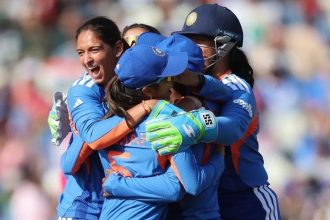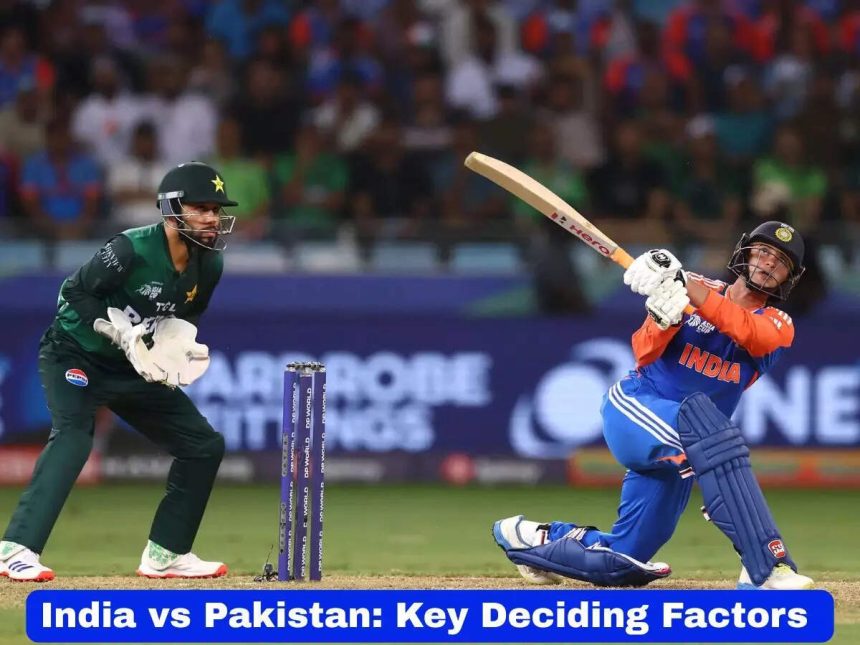
The Sports Ministry has reaffirmed its stance on India’s sporting relations with Pakistan, reiterating a blanket ban on bilateral ties. This policy, put in place to address longstanding diplomatic tensions between the two nations, has been a contentious issue in the world of international sports. The news comes as a blow to those hoping for a thaw in relations, particularly in the sports world where cricket, hockey, and other sports have historically been used as a bridge between the two countries.
History of the Ban
The ban on bilateral sporting ties with Pakistan has been in place for several years, with the Sports Ministry citing security concerns and the need to protect Indian athletes. The move was initially met with resistance from some quarters, including the Board of Control for Cricket in India (BCCI), which had been keen on resuming cricket ties with Pakistan. However, the government’s stance on the issue has been clear: no bilateral sporting ties with Pakistan until relations between the two countries improve.
Despite the ban, India has continued to participate in multi-nationals, including the ICC World Cup and the Asian Games. This has allowed Indian athletes to compete against Pakistani teams in a controlled environment, while avoiding direct bilateral ties. The move has been seen as a pragmatic solution to the dilemma, allowing Indian athletes to compete at the highest level while avoiding any potential security risks.
Impact on Indian Athletes
The ban on bilateral sporting ties with Pakistan has had a significant impact on Indian athletes, particularly those who compete in sports with a strong presence in Pakistan. Cricket, hockey, and tennis are just a few examples of sports where Indian athletes have faced stiff competition from their Pakistani counterparts. While some athletes have expressed frustration at the ban, others have seen it as an opportunity to focus on their training and compete in multi-nationals.
The ban has also sparked a debate about the role of sports in improving relations between nations. While some argue that sports can be a powerful tool for diplomacy, others argue that the ban is necessary to protect Indian athletes from any potential security risks. The Sports Ministry’s stance on the issue has been clear: a ban on bilateral ties until relations between India and Pakistan improve.
Future of Indo-Pak Sporting Relations
The future of Indo-Pak sporting relations remains uncertain, with no clear indication of when or if the ban on bilateral ties will be lifted. The Sports Ministry has indicated that it will continue to monitor the situation and review its policy as and when necessary. In the meantime, Indian athletes will continue to compete in multi-nationals, including the ICC World Cup and the Asian Games.
The ban on bilateral sporting ties with Pakistan has been a contentious issue in the world of international sports, but the Sports Ministry’s stance on the issue has been clear. While some may see the ban as a setback, others see it as a necessary measure to protect Indian athletes from any potential security risks. As the situation continues to unfold, one thing is certain: the sports world will be watching with bated breath to see how the situation evolves.