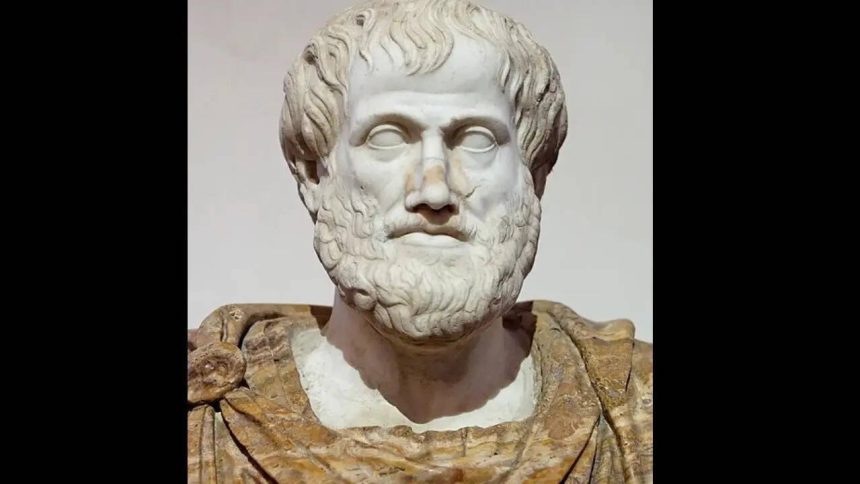
The world is fixated on success. We spend years toiling in the classroom, pouring over textbooks, and studying for exams. The ultimate prize is a degree, a ticket to a life of prosperity and recognition. But as we chase this elusive goal, have we forgotten the very purpose of education? The words of Aristotle, a philosopher who lived over 2,000 years ago, still resonate today: “Educating the mind without educating the heart is no education at all.” It’s a sobering reminder that the pursuit of knowledge is not solely about intellectual development, but about cultivating a well-rounded individual who can make a meaningful impact in the world.
Intellectual Pursuits: The Overemphasis on Academic Excellence
Schools and universities continue to prioritize academic achievement, measuring a student’s worth by their grades, test scores, and academic rankings. This narrow focus on intellectual pursuits has led to a culture of competition, where students feel pressure to excel at all costs. But what about the students who struggle to keep up? What about those who excel in other areas, such as art, music, or sports? Are they not equally deserving of recognition and support?
The emphasis on academic excellence has also created a disconnect between education and real-life skills. Students are often left to navigate the workforce without the practical skills they need to succeed. This can lead to frustration, disillusionment, and a sense of purposelessness. It’s no wonder that many graduates feel unprepared for the challenges of the real world.
The Heart of Education: Nurturing Emotional Intelligence and Empathy
Aristotle’s words remind us that education is not just about feeding the mind, but also about nurturing the heart. This requires a holistic approach that incorporates emotional intelligence, empathy, and social responsibility. By teaching students to navigate complex emotions, build strong relationships, and make informed decisions, we can create a new generation of leaders who are equipped to make a positive impact in the world.
This shift in focus requires a fundamental change in the way we approach education. It means moving beyond the traditional model of teaching, which prioritizes rote memorization and regurgitation. Instead, we need to create learning environments that foster creativity, critical thinking, and collaboration. We need to encourage students to explore their passions, take risks, and learn from failure. Above all, we need to recognize that education is not just about achieving academic success, but about cultivating a sense of purpose, empathy, and compassion.
A New Paradigm for Education: Integrating Mind and Heart
The time has come to redefine what it means to be educated. We need to move beyond the narrow focus on academic achievement and recognize the value of emotional intelligence, empathy, and social responsibility. By integrating the mind and heart, we can create a new paradigm for education that prepares students for the complexities of the real world. This requires a collective effort from educators, policymakers, and society as a whole. We must come together to create a system that values the whole child, rather than just the grade point average.
As we embark on this journey, let us remember Aristotle’s timeless words: “Educating the mind without educating the heart is no education at all.” By prioritizing the heart, we can create a new generation of leaders who are equipped to make a meaningful difference in the world.