The year was 1976, and a young Runa Laila had just arrived in Hindi films, leaving an indelible mark with the sizzling title track for ‘Ek Se Badhkar Ek’. Filmed in a nightclub, the song’s sultry beats and Runa’s powerful vocals captivated audiences, launching her career in India. Fifty years on, Runa Laila remains a beloved and reassuring constant in the delicate Indo-Bangla ties, her music serving as a melodic bridge between the two nations. With a career spanning over five decades, Runa Laila has been a testament to the power of music in transcending borders and fostering cultural exchange.
Early Life and Career
Born in Sylhet, Bangladesh, Runa Laila began her musical journey at a young age, influenced by her mother’s singing. She started performing on radio and television, eventually making her way to India, where she was discovered by music director Bappi Lahiri. Her breakthrough in Hindi films marked the beginning of a successful career, with hits like ‘Dam Maro Dam’ and ‘Mera Babu Chail Chabila’. Runa Laila’s unique voice and style quickly gained popularity, making her a household name in both India and Bangladesh.
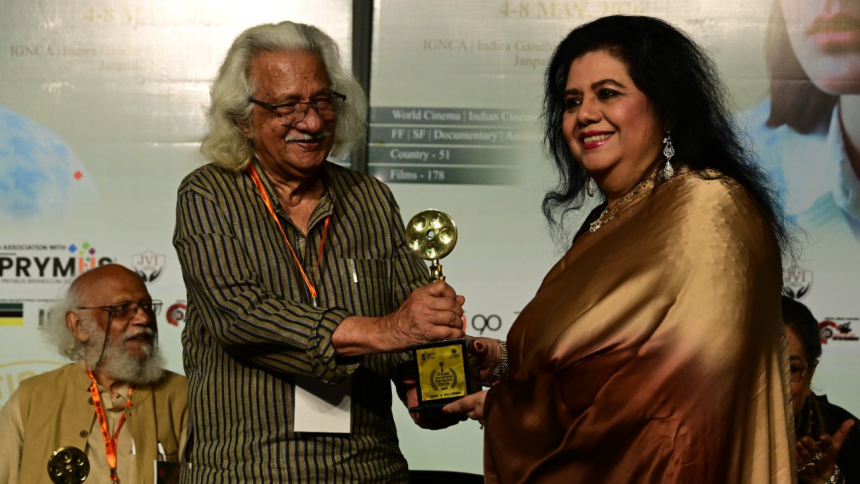
Throughout her career, Runa Laila has been recognized for her contributions to music, receiving numerous awards and accolades. Her dedication to her craft and her ability to adapt to changing musical landscapes have ensured her enduring relevance in the industry. As a cultural icon, Runa Laila has played a significant role in promoting people-to-people ties between India and Bangladesh, using her music as a tool for cultural exchange and understanding.
Cultural Significance and Impact
Runa Laila’s music has had a profound impact on the cultural landscape of both India and Bangladesh. Her songs have been featured in numerous films, and she has collaborated with renowned musicians from both countries. By sharing her music, Runa Laila has helped to break down cultural barriers, fostering greater understanding and appreciation between the two nations. Her legacy extends beyond the realm of entertainment, serving as a symbol of the shared cultural heritage and history that binds India and Bangladesh together.
The significance of Runa Laila’s contributions to Indo-Bangla ties cannot be overstated. In a region often marked by political tensions and complexities, her music has provided a common language, transcending borders and speaking directly to the hearts of people. As a result, Runa Laila has become an integral part of the cultural fabric of both countries, her songs evoking a sense of nostalgia and shared experience.
Enduring Legacy
Today, Runa Laila remains a beloved figure in both India and Bangladesh, her music continuing to inspire new generations of artists and fans. Her enduring legacy is a testament to the power of music in bridging cultural divides and fostering greater understanding. As the world becomes increasingly interconnected, the importance of cultural exchange and people-to-people ties cannot be overstated. Runa Laila’s story serves as a powerful reminder of the impact that music can have in bringing nations together, promoting peace and harmony in the region.
As we reflect on Runa Laila’s remarkable journey, it is clear that her music has left an indelible mark on the cultural landscape of India and Bangladesh. Her contributions to Indo-Bangla ties have been invaluable, providing a shared songbook that continues to inspire and unite people across borders. As we look to the future, it is essential that we recognize the importance of cultural exchange and people-to-people ties, using the power of music to foster greater understanding and cooperation in the region.