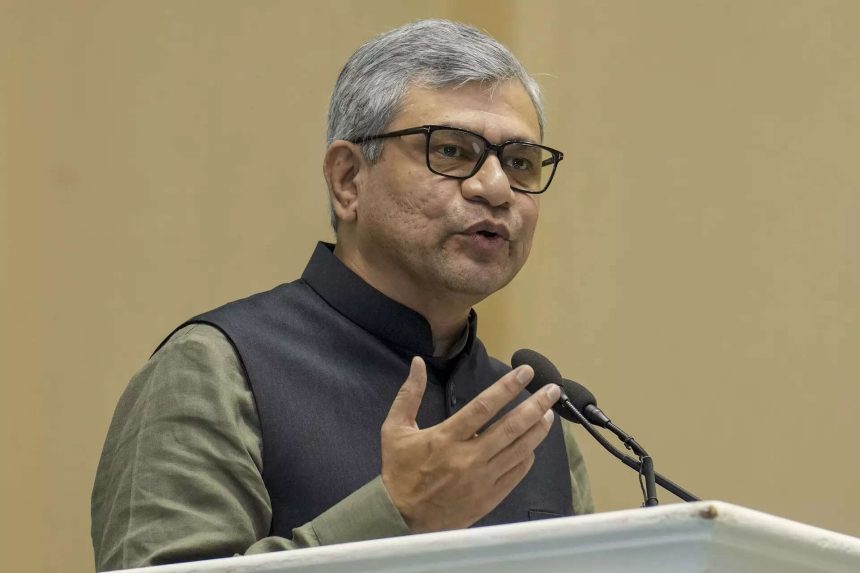
The Indian government, driven by a keen desire to reduce the country’s dependence on gold imports, has continued to emphasize the need for consumers to limit their spending on the precious metal. Union Minister Ashwini Vaishnaw, speaking in response to Prime Minister Narendra Modi’s recent appeal to the nation, urged citizens to take a more judicious approach to their gold purchases. ‘Do whatever best you can,’ was Vaishnaw’s straightforward advice to those looking to make the most of their hard-earned rupees.
Reducing Dependence on Foreign Exchange
The primary concern driving this push is the significant drain on India’s foreign exchange reserves. The country’s gold imports have traditionally been a major contributor to this strain, with the precious metal accounting for a substantial portion of the nation’s overall import bill. As the global economy continues to navigate the challenges posed by inflation, interest rates, and currency fluctuations, India’s policymakers are keenly aware of the need to maintain a healthy balance of payments. By limiting gold imports, the government hopes to free up much-needed foreign exchange for other essential sectors, such as energy and manufacturing.
Furthermore, a reduction in gold imports would also help to mitigate the impact of fluctuations in global gold prices on the Indian market. With the price of gold often subject to significant volatility, the reduction in demand from India would provide a welcome stability to the global gold market, ultimately benefiting Indian consumers in the long run. In addition, the government’s efforts to promote a culture of responsible consumption, particularly when it comes to luxury goods, are likely to resonate with citizens seeking to make a positive impact on the environment and the nation’s economy.
Challenges and Opportunities
While the goals of reducing gold imports and conserving foreign exchange are laudable, there are, however, significant challenges to be overcome. The Indian gold market is deeply ingrained in the country’s cultural and social fabric, with gold purchases frequently tied to special occasions such as weddings, festivals, and milestone birthdays. Moreover, the gold industry is a significant source of employment and income for millions of artisans, jewelers, and other small business owners. Any attempt to curb gold consumption must, therefore, be balanced against the need to protect and support these vulnerable communities.
Despite these challenges, the potential benefits of reducing gold imports are substantial. By redirecting the nation’s resources away from luxury goods and towards more productive sectors, the government can help to stimulate economic growth, create new job opportunities, and improve the overall standard of living for Indian citizens. Furthermore, the promotion of cultural values that prioritize thriftiness, prudence, and responsible consumption can have a lasting impact on the nation’s psyche, ultimately contributing to a more sustainable and equitable future.
A Nation in Transition
As India continues to navigate the complexities of its economic and social landscape, the issue of gold consumption serves as a microcosm of the nation’s broader challenges and opportunities. With the government’s call to reduce gold purchases, citizens are being asked to play a vital role in shaping the nation’s economic destiny. By embracing a more judicious approach to gold consumption, Indians can help to secure a brighter future for themselves, their families, and their nation.
The decision to cut back on gold purchases will not be easy, especially for those who have long been accustomed to buying gold as a symbol of prosperity and good fortune. However, by choosing to adopt a more frugal and sustainable approach to consumption, Indians can help to ensure that their hard-earned rupees are invested in projects and initiatives that truly matter.
As the nation embarks on this journey of transformation, it is essential to recognize the importance of education, awareness, and community engagement in promoting a culture of responsible consumption. By working together, Indians can overcome the challenges associated with reducing gold imports and create a more prosperous, equitable, and sustainable future for all.