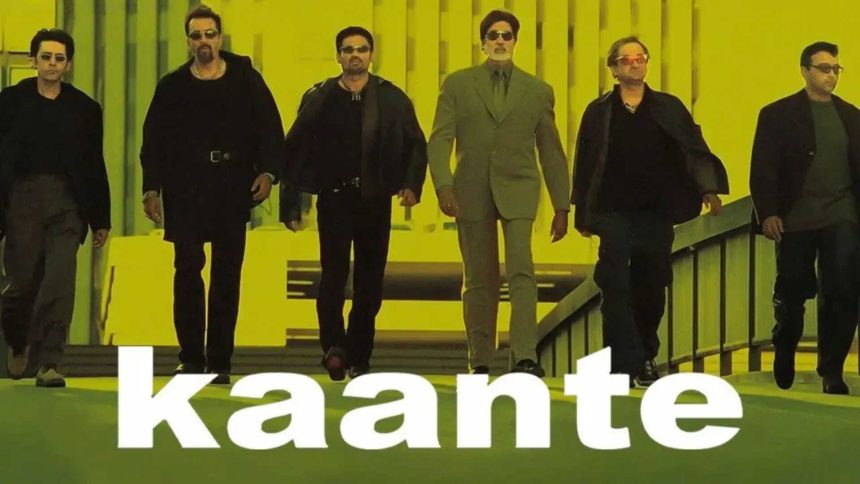
The Bombay High Court has brought an end to a long-standing commercial dispute between White Feather Films and Pritish Nandy Communications, with both parties agreeing to settle their differences for a whopping Rs 2.55 crore. This development marks a significant milestone in the history of Indian cinema, as it highlights the importance of amicable resolutions in high-stakes industry disputes.
Dispute Origins and Impact
The dispute in question centers around the 2002 film ‘Kaante’, which was a remake of the Hollywood blockbuster ‘Point Break’. The production house, White Feather Films, produced the film, while Pritish Nandy Communications acquired the distribution rights. However, due to a disagreement over the film’s revenue-sharing model, the two parties found themselves at odds. The dispute had been pending in the courts for several years, causing significant stress and uncertainty for the parties involved.
The resolution of this dispute is seen as a major victory for Pritish Nandy Communications, which has secured a substantial amount of money to compensate for the losses incurred. This settlement also serves as a testament to the importance of negotiation and compromise in resolving complex disputes. The amicable resolution of this dispute is expected to pave the way for increased collaboration and cooperation between production houses and distributors in the Indian film industry.
Industry Reactions and Implications
The news of the settlement has sent shockwaves through the Indian film industry, with many producers and distributors viewing it as a major milestone. Industry insiders have hailed the resolution as a positive development, citing the potential for increased investment and growth in the sector. The settlement has also sparked debate about the need for more robust revenue-sharing models, as well as the importance of clear communication and negotiation in resolving disputes.
As the Indian film industry continues to grow and evolve, the resolution of this dispute is expected to have far-reaching implications. With the rise of streaming services and changing viewer habits, the industry is facing unprecedented challenges. The settlement of this dispute serves as a reminder of the importance of adaptability, resilience, and collaboration in navigating these challenges.
Future Prospects and Outlook
The resolution of this dispute marks a significant turning point for Pritish Nandy Communications, which has emerged stronger and more resilient from the experience. The company’s ability to navigate complex disputes and find mutually beneficial solutions will undoubtedly serve it well in the years to come. As the Indian film industry continues to grow and evolve, it will be interesting to see how this settlement shapes the industry’s future and sets a precedent for disputes resolution.
With the settlement now in place, both parties can focus on new projects and collaborations, driving growth and innovation in the industry. This development serves as a beacon of hope for the Indian film industry, highlighting the potential for amicable resolutions and positive outcomes even in the most complex and challenging disputes.