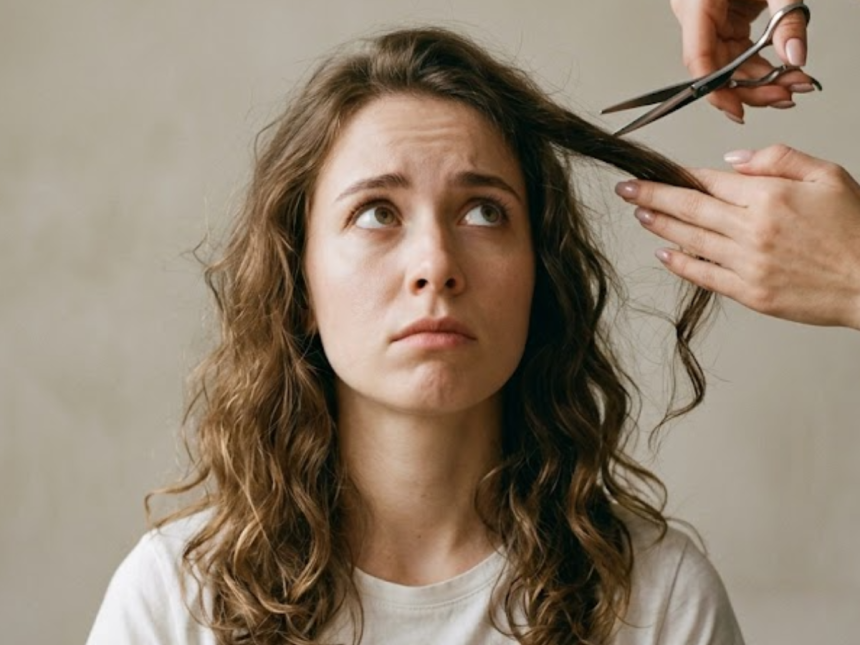
Hair growth is a fascinating and complex process that has long intrigued scientists and the general public alike. While we often take our hair for granted, the biological mechanisms that govern its growth and shedding are still not fully understood. One of the most intriguing aspects of hair growth is the seemingly arbitrary nature of its length and shedding patterns. For example, the hair on our heads can grow to great lengths, while the hair on our arms and legs appears to halt its growth at a relatively short length. But what drives these differences, and how do environmental factors influence the health and growth of our hair?
Understanding Hair Follicle Cycles
The key to understanding hair growth lies in the hair follicle cycle, a process that involves the coordinated effort of multiple cell types and molecular signals. The hair follicle cycle consists of three distinct phases: anagen, catagen, and telogen. The anagen phase is the active growth phase, during which the hair grows rapidly. This phase can last anywhere from a few months to several years, depending on the location of the hair follicle on the body. The catagen phase is a short transitional phase that lasts about two weeks, during which the hair growth slows down and the follicle prepares to enter the resting phase. The telogen phase is the resting phase, during which the hair is released from the follicle and sheds.
The length of the anagen phase is the primary determinant of hair length, and it varies significantly depending on the location of the hair follicle. For example, the hair follicles on the scalp have a longer anagen phase, which can last up to six years, resulting in longer hair. In contrast, the hair follicles on the arms and legs have a shorter anagen phase, typically lasting only a few months, resulting in shorter hair. This variation in anagen phase length is thought to be regulated by a complex interplay of genetic and hormonal factors, and it is still not fully understood.
The Impact of Environmental Factors on Hair Health
While the hair follicle cycle is the primary driver of hair growth and shedding, environmental factors can also have a significant impact on hair health. For example, exposure to sunlight, pollution, and harsh chemicals can damage the hair shaft and lead to dryness, brittleness, and breakage. Additionally, nutritional deficiencies, such as a lack of vitamin D or iron, can impair hair growth and lead to shedding. Stress, both physical and emotional, can also have a negative impact on hair health, leading to an increase in shedding and a decrease in hair growth.
Furthermore, environmental factors can also influence the hair follicle cycle, leading to changes in hair growth and shedding patterns. For example, exposure to certain chemicals, such as those found in hair dyes and perms, can alter the hair follicle cycle and lead to changes in hair texture and growth patterns. Additionally, hormonal changes, such as those that occur during pregnancy or menopause, can also impact the hair follicle cycle and lead to changes in hair growth and shedding.
Shedding Patterns and Hair Health
Shedding is a normal part of the hair growth cycle, and it is estimated that we shed up to 100 hairs per day. However, excessive shedding can be a sign of an underlying health issue, such as a nutritional deficiency or a hormonal imbalance. Additionally, changes in shedding patterns can also be a sign of hair health problems, such as dryness, brittleness, or breakage. By paying attention to our hair’s shedding patterns and overall health, we can gain valuable insights into our overall health and wellbeing.
In addition to its aesthetic importance, hair also plays a significant role in our overall health and wellbeing. For example, hair can be an indicator of our nutritional status, with deficiencies in certain nutrients leading to changes in hair texture and growth patterns. Additionally, hair can also be an indicator of our hormonal balance, with changes in hair growth and shedding patterns often reflecting underlying hormonal imbalances. By taking care of our hair and paying attention to its health, we can also take care of our overall health and wellbeing.
Ultimately, the mysterious cycle of hair growth is a complex and multifaceted process that is influenced by a variety of genetic, hormonal, and environmental factors. By understanding the hair follicle cycle and the impact of environmental factors on hair health, we can gain a deeper appreciation for the intricate processes that govern our bodies and take steps to promote healthy hair growth and overall wellbeing.