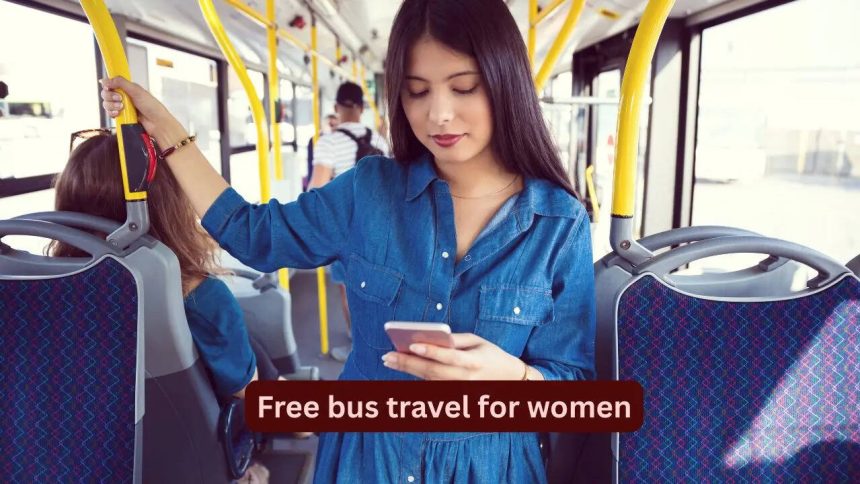
The Indian government has been taking significant steps to empower women and enhance their mobility, and one such initiative is providing free bus travel to women in several states. Recently, West Bengal became the latest state to join this list, announcing free bus service for women commuters on government-run buses from June 1, 2026. This move is expected to benefit a large number of women, including students, office-goers, domestic workers, and solo travelers, making it easier for them to travel across the state. The introduction of such schemes is a major shift in public transport accessibility and is transforming how women travel across cities and states.
States Leading the Way
At least seven Indian states and Union Territories are already offering some form of free bus travel for women on public transport systems. These states include Delhi, Uttar Pradesh, Punjab, Haryana, Karnataka, Telangana, and Andhra Pradesh. The schemes vary from state to state, with some offering completely free travel, while others provide subsidized fares. For instance, in Delhi, women can travel for free on all Delhi Transport Corporation (DTC) and cluster buses, while in Uttar Pradesh, women can travel at a subsidized fare of just ₹20 on state-run buses.
The introduction of these schemes has been a significant step towards enhancing women’s mobility and independence. With the rising costs of living and transportation, these schemes have come as a huge relief to many women who rely on public transport for their daily commute. Moreover, it has also helped to increase women’s participation in the workforce, as they can now travel to work without worrying about the cost of transportation.
Benefits and Impact
The benefits of these schemes are numerous, and they have had a significant impact on the lives of women in these states. For one, it has increased women’s mobility and independence, allowing them to travel freely without worrying about the cost. It has also helped to reduce the financial burden on families, as women can now travel to work, school, or other destinations without incurring significant expenses. Furthermore, it has also helped to promote women’s education and employment, as they can now access educational institutions and workplaces without facing financial constraints.
The impact of these schemes can be seen in the increased number of women using public transport, as well as the positive feedback from women who have benefited from these schemes. Many women have reported feeling more confident and independent, as they can now travel freely without relying on others. Additionally, it has also helped to reduce the incidence of harassment and violence against women, as they can now travel in a safe and secure environment.
Expanding the Initiative
With the success of these schemes in several states, there is a growing demand to expand this initiative to other parts of the country. Many states are now considering introducing similar schemes, and it is expected that more states will join the list in the near future. The central government has also been urged to introduce a nationwide scheme, which would provide free or subsidized bus travel to women across the country. This would be a significant step towards enhancing women’s mobility and independence, and would have a positive impact on the lives of millions of women across the country.
As the Indian government continues to take steps to empower women and enhance their mobility, the introduction of free bus travel schemes for women is a significant step in the right direction. With more states joining the list, it is expected that this initiative will have a far-reaching impact on the lives of women across the country, and will help to promote women’s education, employment, and independence. The success of these schemes is a testament to the power of innovative thinking and policy-making, and it is hoped that this initiative will continue to grow and expand in the years to come.