The Indian government has reaffirmed its resolve to push ahead with planned capital expenditures, developmental spending, and subsidy payments, sending a strong signal to investors, businesses, and citizens alike that its growth agenda remains on track. This move is expected to bolster confidence in the economy, which has been facing headwinds in recent times. By sticking to its budgeted outlays, the government is demonstrating its commitment to fostering an environment conducive to growth, development, and social welfare.
Developmental Priorities
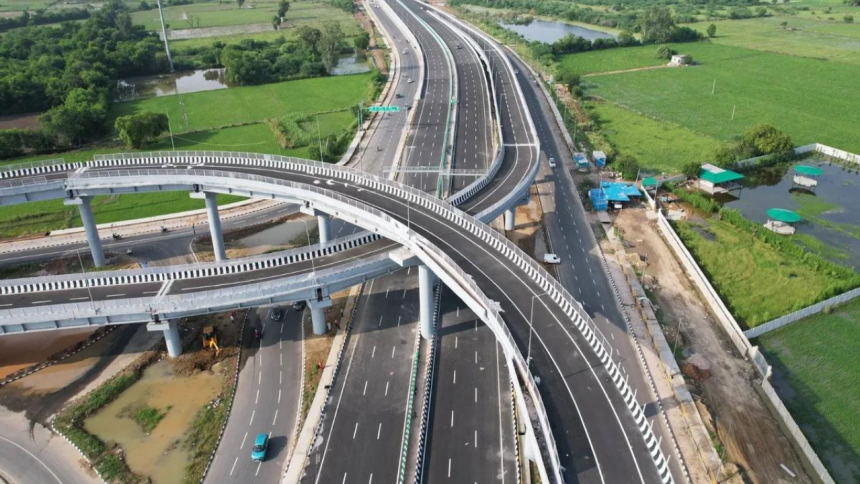
The government’s decision to proceed with its planned expenditures is a clear indication of its priorities. Capital expenditure, which includes outlays on infrastructure, healthcare, education, and other social sectors, is crucial for driving growth and improving the quality of life for citizens. By maintaining its budgeted allocations for these sectors, the government is ensuring that the momentum of development is sustained, and the benefits of growth are equitably distributed. This approach is also likely to have a positive impact on the economy, as increased spending in these areas can create jobs, stimulate demand, and attract investment.
The emphasis on subsidy payments is also significant, as it will provide relief to vulnerable sections of society, including the poor, farmers, and marginalized communities. Subsidies on essential items like food, fuel, and fertilizers help to keep prices in check, making these items more affordable for those who need them most. By honoring its commitment to subsidy payments, the government is upholding its social contract with citizens and helping to maintain social cohesion.
Fiscal Prudence
The government’s resolve to stick to its budgeted expenditures is all the more notable, given the fiscal challenges it faces. Managing the nation’s finances is a delicate balancing act, requiring careful calibration of revenues and expenditures. The government must ensure that its spending plans are aligned with its revenue projections, lest it compromise its fiscal credibility. By avoiding budget cuts and staying the course on its planned expenditures, the government is demonstrating its ability to manage its finances prudently, even in the face of adversity.
This approach is also likely to have a positive impact on the business environment, as it will help to maintain stability and predictability in the economy. Investors and businesses value certainty, and the government’s commitment to its budgeted outlays provides a measure of assurance that its policies will be consistent and reliable. This, in turn, can help to attract investment, foster entrepreneurship, and drive growth, as businesses and investors become more confident in the government’s ability to manage the economy.
Way Forward
As the government stays the course on its developmental spending, it is essential to ensure that these outlays are utilized efficiently and effectively. The government must prioritize projects and programs that have the highest impact, and ensure that the benefits of these expenditures accrue to the intended beneficiaries. This will require close monitoring and evaluation of the outcomes of these expenditures, as well as a willingness to make adjustments and corrections as needed.
The government’s commitment to its budgeted expenditures is a testament to its resolve to drive growth, development, and social welfare. As the economy navigates its way through challenging times, this approach is likely to have a positive impact on the lives of citizens, the business environment, and the nation’s overall prospects. With its emphasis on developmental spending, subsidy payments, and fiscal prudence, the government is sending a strong signal that it is committed to creating a better future for all Indians.