{“title”:”Supreme Court Ruling Puts Pressure on UAPA Cases: Bail by Default, Jail by Exception”,”content”:”
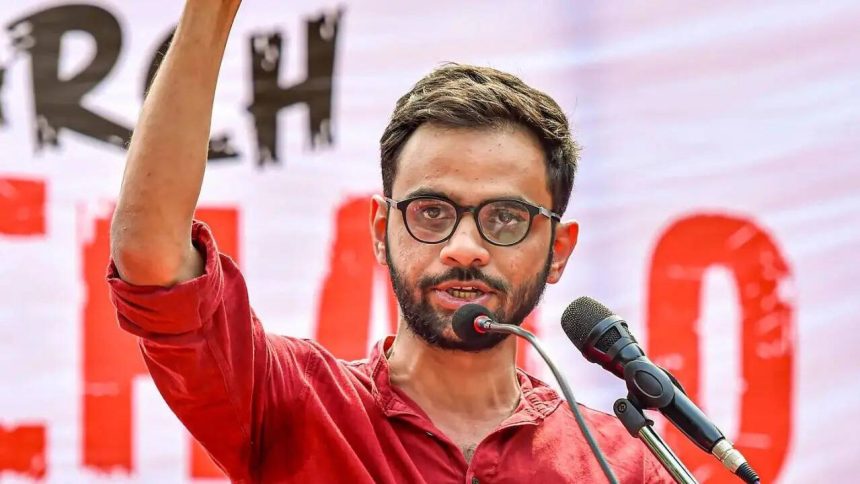
In a significant development that could have far-reaching implications for anti-terror laws in India, the Supreme Court on Monday expressed strong reservations about a recent order denying bail to Umar Khalid, a key accused in the 2020 Delhi riots case. The court’s words of caution, delivered in a stinging rebuke of the division bench that had initially refused to grant bail to Khalid, have sent shockwaves through the country’s legal fraternity.
The court’s intervention came in response to a petition filed by Khalid’s lawyers, who had challenged the lower court’s decision to deny him bail under the Unlawful Activities (Prevention) Act (UAPA). The UAPA is a stringent anti-terror law that allows for the detention of individuals without trial, and its application has been widely criticized for being often arbitrary and discriminatory.
The Supreme Court’s reservations about the bail denial are significant, as they appear to suggest that the court is inclined to adopt a more nuanced approach to interpreting the UAPA. By expressing skepticism towards the lower court’s decision, the Supreme Court is effectively signaling that bail should be the default position in UAPA cases, with jail being an exception only in the most extraordinary circumstances.
Challenging the UAPA’s Reputation
The UAPA has long been a contentious law, with critics arguing that it gives the state too much latitude to detain individuals without trial. The law has been used to silence dissenting voices, often under the guise of fighting terrorism. The Supreme Court’s intervention in the Khalid case is a welcome development, as it suggests that the court is willing to scrutinize the application of the UAPA more closely.
The court’s reservations are also significant because they come at a time when the UAPA is being increasingly used to target activists, academics, and journalists who are critical of the government. The law’s broad definitions of terrorism and its lack of clear guidelines have made it vulnerable to abuse, and the Supreme Court’s words of caution are a timely reminder that the UAPA must be applied with caution and restraint.
By putting pressure on the lower court to reconsider its decision, the Supreme Court is effectively sending a message that the UAPA must be used in a way that is consistent with the principles of justice and fairness. This is a crucial development, as it suggests that the court is willing to take a tough line against the misuse of the UAPA.
Implications for Anti-Terror Laws
The implications of the Supreme Court’s ruling are far-reaching, as they suggest that the court is willing to challenge the status quo on anti-terror laws in India. By adopting a more nuanced approach to interpreting the UAPA, the court is effectively signaling that the law must be used in a way that is consistent with the principles of justice and fairness.
The court’s intervention also raises important questions about the role of the judiciary in policing the application of anti-terror laws. By taking a tough line against the misuse of the UAPA, the Supreme Court is effectively asserting its authority as a check on the power of the executive.
This is a crucial development, as it suggests that the court is willing to take a stand against the erosion of civil liberties and the rule of law. By putting pressure on the government to use the UAPA in a way that is consistent with the principles of justice and fairness, the Supreme Court is effectively sending a message that the rule of law must be upheld at all costs.
A New Era for UAPA Cases?</hassistant
{“title”:”Supreme Court Ruling Puts Pressure on UAPA Cases: Bail by Default, Jail by Exception”,”content”:”
In a significant development that could have far-reaching implications for anti-terror laws in India, the Supreme Court on Monday expressed strong reservations about a recent order denying bail to Umar Khalid, a key accused in the 2020 Delhi riots case. The court’s words of caution, delivered in a stinging rebuke of the division bench that had initially refused to grant bail to Khalid, have sent shockwaves through the country’s legal fraternity.
The court’s intervention came in response to a petition filed by Khalid’s lawyers, who had challenged the lower court’s decision to deny him bail under the Unlawful Activities (Prevention) Act (UAPA). The UAPA is a stringent anti-terror law that allows for the detention of individuals without trial, and its application has been widely criticized for being often arbitrary and discriminatory.
The Supreme Court’s reservations about the bail denial are significant, as they appear to suggest that the court is inclined to adopt a more nuanced approach to interpreting the UAPA. By expressing skepticism towards the lower court’s decision, the Supreme Court is effectively signaling that bail should be the default position in UAPA cases, with jail being an exception only in the most extraordinary circumstances.
Challenging the UAPA’s Reputation
The UAPA has long been a contentious law, with critics arguing that it gives the state too much latitude to detain individuals without trial. The law has been used to silence dissenting voices, often under the guise of fighting terrorism. The Supreme Court’s intervention in the Khalid case is a welcome development, as it suggests that the court is willing to scrutinize the application of the UAPA more closely.
The court’s reservations are also significant because they come at a time when the UAPA is being increasingly used to target activists, academics, and journalists who are critical of the government. The law’s broad definitions of terrorism and its lack of clear guidelines have made it vulnerable to abuse, and the Supreme Court’s words of caution are a timely reminder that the UAPA must be applied with caution and restraint.
By putting pressure on the lower court to reconsider its decision, the Supreme Court is effectively sending a message that the UAPA must be used in a way that is consistent with the principles of justice and fairness. This is a crucial development, as it suggests that the court is willing to take a tough line against the misuse of the UAPA.
Implications for Anti-Terror Laws
The implications of the Supreme Court’s ruling are far-reaching, as they suggest that the court is willing to challenge the status quo on anti-terror laws in India. By adopting a more nuanced approach to interpreting the UAPA, the court is effectively signaling that the law must be used in a way that is consistent with the principles of justice and fairness.
The court’s intervention also raises important questions about the role of the judiciary in policing the application of anti-terror laws. By taking a tough line against the misuse of the UAPA, the Supreme Court is effectively asserting its authority as a check on the power of the executive.
This is a crucial development, as it suggests that the court is willing to take a stand against the erosion of civil liberties and the rule of law. By putting pressure on the government to use the UAPA in a way that is consistent with the principles of justice and fairness, the Supreme Court is effectively sending a message that the rule of law must be upheld at all costs.
A New Era for UAPA Cases?
The Supreme Court’s ruling has sent shockwaves through the country’s legal fraternity, with many hailing it as a major victory for civil liberties and the rule of law. However, the implications of the ruling are complex and far-reaching, and it remains to be seen whether the court’s words of caution will be enough to prevent the misuse of the UAPA.
As the country waits with bated breath for the next development in the Khalid case, one thing is clear: the Supreme Court’s ruling has marked a significant shift in the way the UAPA is being interpreted and applied. Whether this marks the beginning of a new era for UAPA cases remains to be seen, but one thing is certain: the Supreme Court’s intervention has sent a powerful message that the rule of law must be upheld at all costs.
The Supreme Court’s ruling has significant implications for the future of anti-terror laws in India. By challenging the UAPA’s reputation and putting pressure on the government to use the law in a way that is consistent with the principles of justice and fairness, the court is effectively sending a message that the rule of law must be upheld at all costs.
“,”excerpt”:”In a significant development, the Supreme Court has expressed strong reservations about a recent order denying bail to Umar Khalid in the Delhi riots case. The court’s words of caution have sent shockwaves through the country’s legal fraternity, with many hailing it as a major victory for civil liberties and the rule of law.”,”tags”:[“UAPA”,”Supreme Court”,”bail”,”terrorism”,”justice”,”fairness”],”meta_description”:”The Supreme Court has expressed strong reservations about a recent order denying bail to Umar Khalid in the Delhi riots case, sending shockwaves through the country’s legal fraternity.”}