{“title”:”Nepal’s Plastic Revolution: Turning Trash into Treasure on the Country’s ‘Rubbish Roads'”,”content”:”
In a world where plastic waste has become a persistent plague, Nepal has taken a bold step towards a cleaner, greener future. The Himalayan nation, notorious for its ‘rubbish roads’ – a poignant term for roads littered with plastic waste – is pioneering a novel approach to waste management. By transforming plastic waste into durable, eco-friendly roads, Nepal is not only reducing its environmental footprint but also creating a new economic opportunity for its citizens.
From Litter to Lane: The Plastic Road Revolution
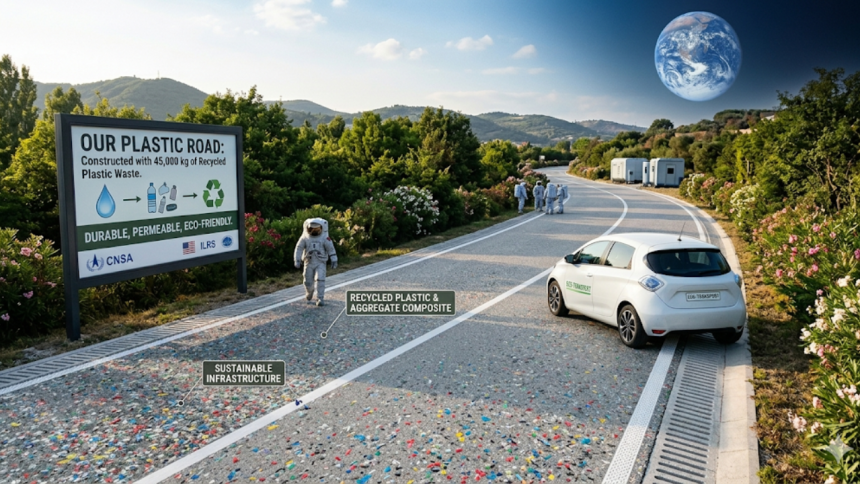
Located in the picturesque city of Pokhara, the first plastic road was laid in 2019, using a combination of plastic waste and a special type of asphalt. The road has withstood the test of time, withstanding heavy rainfall and extreme temperatures. This innovative technique, developed by a team of researchers from the Kathmandu University, exploits the properties of plastic waste to create a durable and long-lasting material. The plastic is crushed into small pieces, mixed with asphalt, and then laid on the road surface. As the plastic heats up, it becomes pliable, allowing it to conform to the road’s shape and provide a smooth ride. This technology has the potential to solve Nepal’s plastic waste problem, while also providing a sustainable solution for road construction.
The impact of this technology is already being felt in Pokhara, where residents are noticing a significant reduction in plastic litter. “It’s a remarkable transformation,” says local resident, Anita Gurung. “Our streets are cleaner, and the air is fresher. We’re proud to be living in a city that’s taking bold steps towards sustainability.” The plastic road project has also created jobs for local residents, who are involved in collecting and processing plastic waste. This not only reduces the environmental impact of plastic waste but also provides a source of income for marginalized communities.
The Road to Sustainability: Challenges and Opportunities
While the plastic road project has shown promising results, there are still several challenges to overcome. One of the main hurdles is the lack of infrastructure for plastic collection and processing. In many rural areas, plastic waste is not collected regularly, leading to litter and pollution. To address this issue, the government has launched initiatives to improve waste management infrastructure, including the construction of recycling facilities and community-led waste collection programs. Another challenge is the high cost of plastic waste collection, which can be prohibitively expensive for rural communities. To mitigate this, the government has introduced subsidies for plastic collection and recycling, making it more accessible to marginalized communities.
The plastic road project has also sparked interest from neighboring countries, with Sri Lanka and India expressing interest in replicating the technology. This has created new economic opportunities for Nepal, which can export its plastic waste processing technology to other countries. As the demand for sustainable infrastructure solutions continues to grow, Nepal’s innovative approach to waste management is poised to make a significant impact on the global stage.
A New Era for Waste Management: The Future of Nepal’s ‘Rubbish Roads’
Nepal’s plastic road revolution is a beacon of hope for a world struggling to come to terms with the environmental consequences of plastic waste. By transforming trash into treasure, the country is not only reducing its environmental footprint but also creating a new economic opportunity for its citizens. As the world grapples with the plastic pollution crisis, Nepal’s innovative approach to waste management serves as a reminder that even the most seemingly intractable problems can be solved with creativity, determination, and a commitment to sustainability.
The future of Nepal’s ‘rubbish roads’ looks bright, with plans to construct more plastic roads in cities across the country. As the technology continues to evolve, we can expect to see even more innovative applications of plastic waste in the years to come. Nepal’s plastic road revolution is a testament to the power of human ingenuity and the importance of collaboration in solving the world’s most pressing environmental challenges.
“,”excerpt”:”Nepal is pioneering a novel approach to waste management by transforming plastic waste into durable, eco-friendly roads. The country’s ‘rubbish roads’ are being replaced with plastic roads, reducing litter and pollution while creating new economic opportunities for its citizens.”,”tags”:[“Nepal”,”Plastic Waste”,”Sustainability”,”Waste Management”,”Environmental Conservation”],”meta_description”:”Nepal’s innovative approach to waste management is transforming plastic waste into durable roads, reducing litter and pollution while creating new economic opportunities.”}