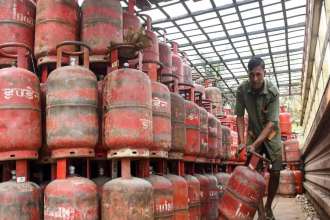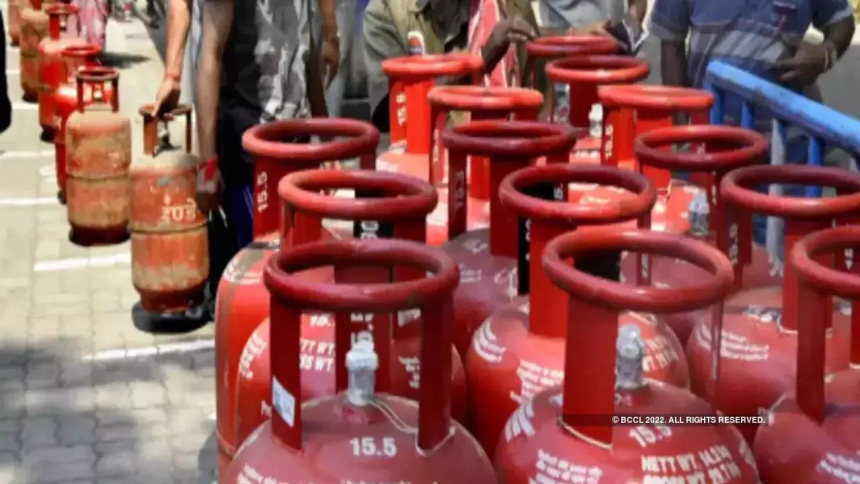
The Indian government has issued a directive to oil marketing companies (OMCs) to establish a 30-day strategic reserve of liquefied petroleum gas (LPG), marking a significant step towards ensuring energy security in the face of global uncertainties. This move comes in the wake of the recent disruption in energy supplies due to the escalating conflict in West Asia, highlighting the need for a robust LPG stockpile to safeguard against future disruptions. As the country’s energy landscape continues to evolve, the government’s decision to create a strategic reserve is a prudent step towards mitigating the risks associated with reliance on imported fossil fuels.
Boosting Energy Security through LPG Reserve
The decision to establish a 30-day LPG reserve is aimed at enhancing the country’s energy security by providing a buffer against potential supply disruptions. With rising global tensions and increasing competition for energy resources, the government is taking proactive measures to ensure that the country’s energy demands are met. By creating a strategic reserve, the OMCs will be better equipped to handle any unexpected shortfalls in LPG supplies, thereby minimizing the impact on consumers and the overall economy. Furthermore, this move will also help to reduce the country’s reliance on imported LPG, thereby promoting energy self-sufficiency.
The government’s directive to the OMCs is expected to have a significant impact on the country’s energy landscape. The 30-day LPG reserve will not only provide a safety net against supply disruptions but also help to stabilize LPG prices. This, in turn, will have a positive impact on the economy, particularly for households and small businesses that rely heavily on LPG for cooking and other purposes. Additionally, the creation of a strategic reserve will also help to promote the development of the domestic LPG market, encouraging investment in the sector and creating new opportunities for growth.
Implementation Challenges and Opportunities
While the government’s decision to establish a 30-day LPG reserve is a positive step towards enhancing energy security, there are several challenges that need to be addressed during the implementation phase. One of the key challenges is the logistics of storing and managing a large quantity of LPG, which requires significant investment in infrastructure and technology. Additionally, the OMCs will need to ensure that the LPG reserve is maintained at a safe and secure location, while also complying with strict safety and environmental regulations. Despite these challenges, the government’s directive presents several opportunities for the OMCs to innovate and adopt new technologies that can help to optimize the storage and management of LPG.
The creation of a 30-day LPG reserve is a significant step towards ensuring energy security in India. By providing a buffer against potential supply disruptions, the government is taking proactive measures to safeguard the country’s energy demands. While there are challenges associated with implementing this directive, the opportunities presented by this move are substantial. As the country continues to evolve, the government’s decision to establish a strategic LPG reserve will play a crucial role in promoting energy self-sufficiency and mitigating the risks associated with reliance on imported fossil fuels.
Preparing for an Uncertain Future
The government’s directive to establish a 30-day LPG reserve is a clear indication of its commitment to ensuring energy security in the face of global uncertainties. As the world becomes increasingly interconnected, the risks associated with energy supply disruptions are becoming more pronounced. By creating a strategic reserve, the government is preparing for an uncertain future, where energy security will be a critical component of national security. This move will also serve as a model for other countries to follow, emphasizing the importance of investing in energy security measures to mitigate the risks associated with reliance on imported fossil fuels.
The creation of a 30-day LPG reserve is a significant step towards ensuring energy security in India. This move will have a positive impact on the economy, particularly for households and small businesses that rely heavily on LPG for cooking and other purposes. Furthermore, the government’s directive presents several opportunities for the OMCs to innovate and adopt new technologies that can help to optimize the storage and management of LPG. As the country continues to evolve, the government’s decision to establish a strategic LPG reserve will play a crucial role in promoting energy self-sufficiency and mitigating the risks associated with reliance on imported fossil fuels.
In conclusion, the government’s directive to establish a 30-day LPG reserve is a prudent step towards ensuring energy security in India. By providing a buffer against potential supply disruptions, the government is taking proactive measures to safeguard the country’s energy demands. This move will have a significant impact on the country’s energy landscape, promoting energy self-sufficiency and mitigating the risks associated with reliance on imported fossil fuels.