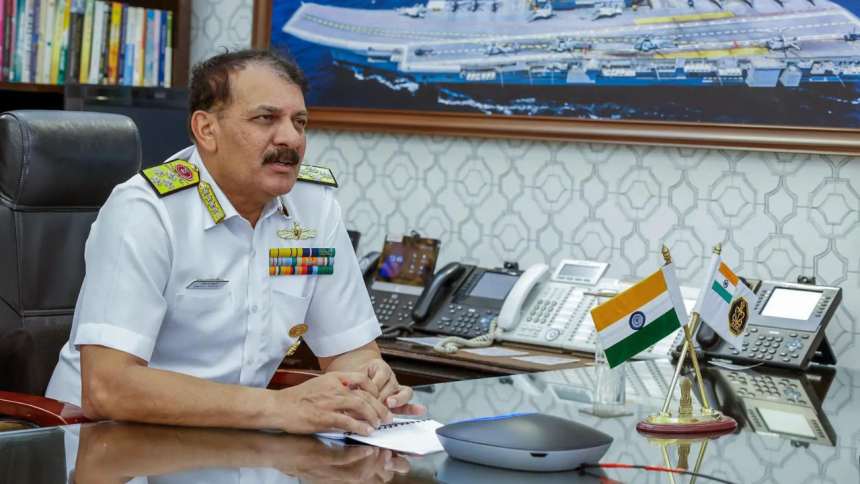
As tensions escalate around the world’s most critical maritime chokepoint, the Strait of Hormuz, a stark reality is dawning on nations across the globe: distance from conflict no longer means distance from consequences. Speaking candidly, Chief of Naval Staff Admiral Dinesh K Tripathi highlighted the gravity of the situation, underscoring the far-reaching impact of the ongoing crisis on international relations and global trade.
Global Supply Chains at Risk
The Strait of Hormuz, a waterway connecting the Persian Gulf to the Gulf of Oman, has long been a hub of global commerce, with over 20% of the world’s oil passing through its waters. The crisis, sparked by heightened tensions between Iran and the United States, has raised alarm bells among nations reliant on the region’s oil exports. With over 80% of the world’s oil transported by sea, the stakes are high, and disruptions to the supply chain could have devastating consequences for economies worldwide.
The ripple effects of a Strait of Hormuz shutdown would be felt far beyond the Middle East, impacting industries from manufacturing to finance, and affecting millions of people worldwide. The economic fallout would be severe, with potential losses in the trillions of dollars. As Admiral Tripathi pointed out, the consequences of inaction are dire, and the need for collective action to mitigate the crisis is urgent.
Maritime Security Under Siege
The crisis has also raised concerns about maritime security, with several incidents of hijackings, sabotage, and armed robbery reported in recent months. The threat landscape has become increasingly complex, with non-state actors, terrorist groups, and pirate networks exploiting the chaos to further their interests. The safety of ships, crew, and cargo is under threat, and the consequences of failure could be catastrophic.
The international community must come together to address the security challenges facing the Strait of Hormuz, Admiral Tripathi emphasized. This requires a concerted effort to enhance maritime security, improve intelligence sharing, and strengthen cooperation among nations to prevent and respond to emerging threats.
A Call to Action
As the crisis deepens, Admiral Tripathi’s words serve as a stark reminder that the consequences of inaction will only worsen. The international community must take immediate and decisive action to address the crisis, protect global trade, and ensure the safety of maritime routes. The fate of the Strait of Hormuz hangs in the balance, and the world is watching with bated breath.
As nations gather for the upcoming international conference on maritime security, the stakes will be high, and the expectations clear. The world is looking to leaders to take bold action, to forge a path forward that prioritizes peace, stability, and cooperation. The consequences of failure will be dire, but with collective action, the future of the Strait of Hormuz can be secured, and the world can avoid the devastating fallout of conflict.