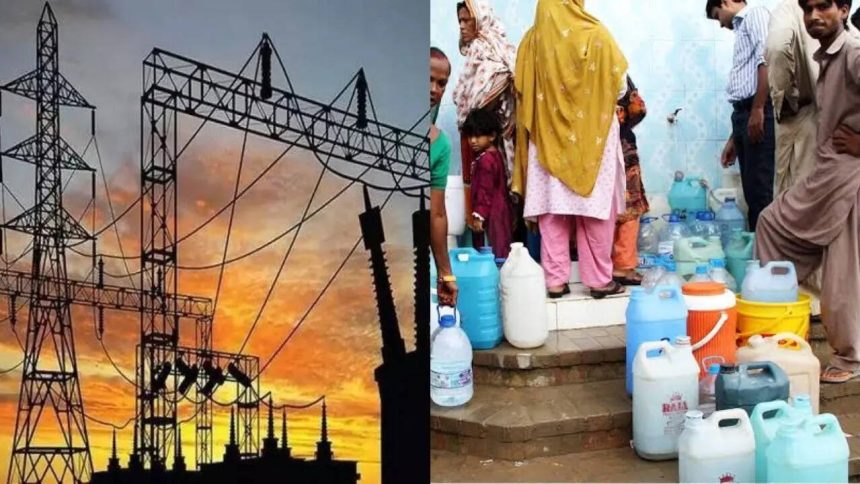
The usually festive atmosphere of Eid-ul-Adha was marred by widespread disruptions in Pakistan’s largest city, Karachi, as millions of residents struggled to cope with severe water shortages, gas outages, and power cuts. The sweltering heat made the situation even more unbearable, leaving families scrambling to cook, bathe, and preserve their Eid offerings. The collapse of essential utilities turned the holiday into a crisis, leaving a trail of frustration and desperation in its wake.
Water Woes and Gas Gaps
As the holy day of Eid dawned, Karachi’s residents were met with an unpalatable reality – empty water tanks, dry taps, and a crippling gas shortage. The city’s water supply, already strained, buckled under the pressure of a growing population, exacerbated by inadequate infrastructure and outdated distribution networks. Many residents had to rely on expensive and often contaminated tanker water, leaving them vulnerable to water-borne diseases. The gas crisis, meanwhile, forced families to abandon their traditional Eid cooking methods, instead resorting to expensive and less convenient alternatives.
The situation was further complicated by the power outages, which crippled the city’s water treatment plants, exacerbating the water shortage. As the day wore on, the power cuts became more frequent and longer, plunging entire neighborhoods into darkness. The eerie silence was a stark contrast to the usual Eid celebrations, where the sounds of laughter, music, and gunfire would normally fill the air.
Power Cuts and Humanitarian Crisis
The power outages, which lasted for several hours, had a devastating impact on the city’s inhabitants, particularly the poor and vulnerable. Without electricity, many residents were unable to refrigerate their Eid offerings, risking the loss of their precious meat and other delicacies. The heat, meanwhile, made it impossible for families to preserve their food, leading to a massive surge in food waste. The humanitarian crisis unfolded as families were forced to throw away their Eid celebrations, a devastating blow to their morale and financial resources.
The power cuts also exposed the city’s woeful lack of backup systems, leaving residents at the mercy of the grid. The situation was further worsened by the city’s inadequate street lighting, which made it difficult for pedestrians to navigate the dark streets. As the night wore on, the city’s residents were forced to rely on candles, lanterns, and other makeshift lighting solutions, a stark reminder of the city’s infrastructure shortcomings.
A City in Crisis
As the Eid celebrations drew to a close, Karachi’s residents were left to pick up the pieces and grapple with the aftermath of the utility collapse. The crisis highlighted the city’s deep-seated infrastructure problems, which have long been neglected by successive governments. The situation demands urgent attention and action, not only to restore essential services but also to address the root causes of the crisis. As the city struggles to recover from this ordeal, its residents are left to wonder when the next crisis will strike, and how they will cope.
As the sun sets on Karachi’s Eid celebrations, the city’s residents are left to face the harsh realities of their crumbling infrastructure. The utility collapse has exposed the city’s vulnerabilities, leaving a trail of destruction and despair in its wake. As the city navigates this crisis, it must also confront the broader implications of its infrastructure shortcomings, and work towards a more resilient and sustainable future.