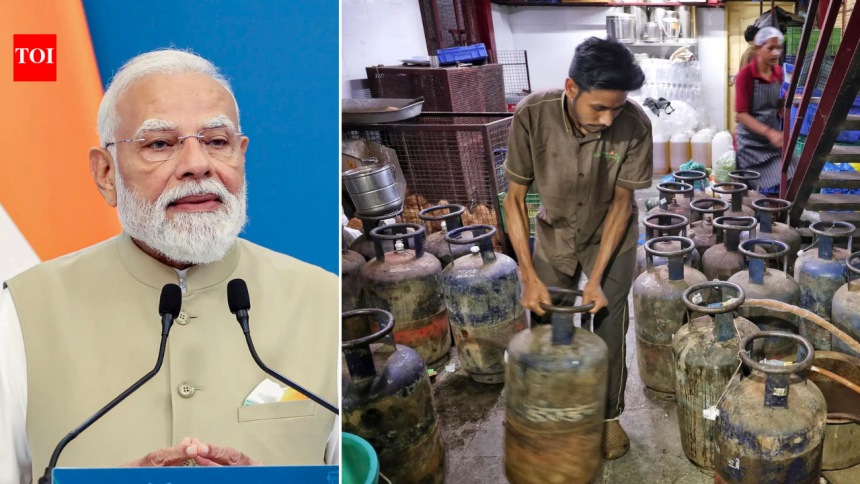
The recent increase in commercial LPG cylinder prices has sparked a heated debate in the country, with the opposition party launching a scathing attack on the government. The Congress party has accused Prime Minister Narendra Modi of burdening the common people with rising costs, citing the latest price hike as a prime example. The commercial LPG cylinder prices were increased by up to Rs 53.50 from June 1, affecting businesses and households across the country. The move has been widely criticized, with many questioning the government’s decision to impose such a steep hike at a time when the economy is still reeling from the effects of the pandemic.
Impact on Businesses and Households
The price hike is expected to have a significant impact on businesses, particularly those in the hospitality and food sectors, which rely heavily on LPG for their operations. The increased cost of LPG will likely be passed on to consumers, resulting in higher prices for food and other essential items. This, in turn, will affect households, especially those with limited incomes, who will struggle to make ends meet. The Congress party has argued that the government should have taken steps to mitigate the impact of the price hike, such as providing subsidies or exemptions to vulnerable sections of society.
The government’s decision to hike LPG prices has also been criticized by business leaders and industry experts, who argue that it will lead to increased production costs and reduced competitiveness. The move is seen as a blow to the government’s efforts to promote economic growth and job creation, as it will likely lead to higher prices and reduced demand. The opposition party has demanded that the government reconsider its decision and take steps to protect the interests of businesses and households.
Political Fallout
The LPG price hike has become a major political issue, with the Congress party launching a nationwide campaign to protest against the government’s decision. The party has accused the government of being insensitive to the needs of the common people and of prioritizing the interests of corporate entities over those of the general public. The issue is expected to dominate the political discourse in the coming days, with the opposition party likely to use it to mobilize public opinion against the government.
The government, on the other hand, has defended its decision, citing the need to reduce subsidies and promote the use of cleaner fuels. The government has argued that the price hike is necessary to ensure the long-term sustainability of the energy sector and to reduce the country’s dependence on imported fuels. However, the opposition party has rejected this argument, saying that the government should have taken steps to protect the interests of vulnerable sections of society before imposing such a steep hike.
Economic Implications
The LPG price hike is expected to have significant economic implications, particularly in terms of its impact on inflation and economic growth. The increased cost of LPG will likely lead to higher prices for a range of essential items, including food, transportation, and healthcare. This, in turn, will affect the overall rate of inflation, which is already running high. The government will need to take steps to mitigate the impact of the price hike and ensure that it does not lead to a sharp increase in inflation.
The LPG price hike has also raised concerns about the government’s ability to manage the economy and promote economic growth. The move is seen as a blow to the government’s efforts to promote economic development and job creation, as it will likely lead to higher prices and reduced demand. The government will need to take steps to address these concerns and ensure that the economy remains on a path of sustainable growth and development. The recent price hike has sparked a heated debate about the government’s economic policies and its ability to manage the economy, and it remains to be seen how the government will respond to these challenges.
The final decision of the government to increase the commercial LPG cylinder prices has led to widespread criticism and protests across the country. The opposition party has vowed to continue its campaign against the government’s decision, and it remains to be seen how the government will respond to these challenges. As the debate over the LPG price hike continues, one thing is clear – the government will need to take steps to address the concerns of the common people and promote economic growth and development.