The Middle East has been plunged into further chaos as Iran launched a barrage of missiles towards Kuwait and Bahrain, sending oil prices soaring by over 1% on Wednesday. This latest escalation in tensions has sparked widespread concern among global leaders, with the international community struggling to find a solution to the deepening crisis. The attacks come as the Strait of Hormuz, a vital waterway for global oil trade, remains blocked for the 96th day, crippling the region’s economy and pushing the world to the brink of an energy crisis.
Regional Tensions on the Rise
The situation in the Middle East has been deteriorating rapidly, with Iran’s aggressive behavior sparking fears of a full-blown conflict. The missiles launched towards Kuwait and Bahrain are the latest in a series of provocative actions by Tehran, which has been locked in a bitter standoff with Washington. Despite efforts to broker a peace deal, negotiations between the two nations have yielded no breakthrough, leaving the region on edge. The ongoing blockade of the Strait of Hormuz has only added to the sense of unease, with oil tankers and cargo ships unable to navigate the vital waterway.
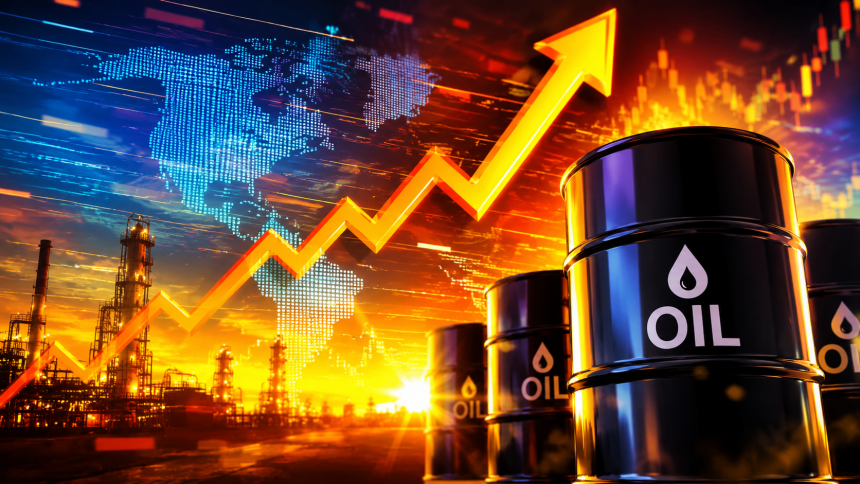
The impact of the crisis is being felt far beyond the Middle East, with oil prices skyrocketing and global markets beginning to feel the strain. The price of Brent crude has jumped by over 1% in recent days, reaching a six-month high as traders scramble to secure supplies. The surge in prices has sparked concerns about the potential for an economic downturn, with businesses and consumers alike facing the prospect of higher energy costs. As the situation continues to deteriorate, global leaders are under increasing pressure to find a solution to the crisis before it’s too late.
Global Economic Implications
The ongoing crisis in the Middle East has significant implications for the global economy, with the potential to spark a wider economic downturn. The surge in oil prices has already begun to affect businesses and consumers, with higher energy costs eating into profit margins and household budgets. The impact is being felt across a range of industries, from manufacturing and transportation to aviation and tourism. As the crisis deepens, there are fears that the global economy could be plunged into recession, with far-reaching consequences for businesses, jobs, and economic growth.
The international community is under increasing pressure to find a solution to the crisis, with diplomats and leaders scrambling to broker a peace deal between Tehran and Washington. The European Union has been at the forefront of efforts to negotiate a settlement, with EU leaders urging restraint and dialogue. However, with tensions continuing to escalate, it remains to be seen whether a peaceful resolution can be found. As the situation continues to deteriorate, one thing is clear: the world is running out of time to find a solution to the crisis before it’s too late.
Path Forward
As the crisis in the Middle East continues to deepen, global leaders are facing a daunting challenge in finding a solution to the conflict. The ongoing blockade of the Strait of Hormuz remains a major obstacle to a peaceful resolution, with Iran refusing to back down in the face of international pressure. Despite the challenges, diplomats and leaders remain committed to finding a way forward, with negotiations between Tehran and Washington ongoing. The international community is urging restraint and dialogue, with EU leaders playing a key role in efforts to broker a peace deal.
The coming days and weeks will be crucial in determining the course of the crisis, with the world watching anxiously as events unfold. The potential for further escalation remains high, with the risk of a wider conflict hanging precariously in the balance. As the situation continues to deteriorate, one thing is clear: the world needs a solution to the crisis, and it needs it now. The fate of the global economy, not to mention the stability of the Middle East, hangs in the balance, and it’s up to global leaders to find a way forward before it’s too late. The world is holding its breath as the clock ticks down, waiting to see what the future holds for this troubled region.