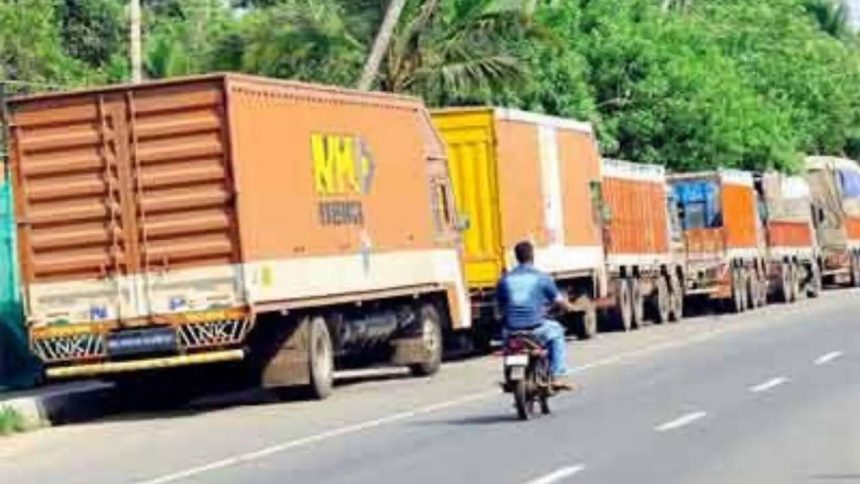
India is on the cusp of a groundbreaking initiative aimed at combating air pollution in the nation’s capital and surrounding regions. The Union Cabinet is set to approve a comprehensive plan to phase out Bharat Stage IV (BS-IV) trucks and buses, replacing them with cleaner, more eco-friendly alternatives over the next five years. Dubbed ‘Naya Safar’, the ambitious scheme seeks to transform the transportation landscape in Delhi and the National Capital Region (NCR), paving the way for a healthier environment and a better quality of life for millions of residents.
Boosting Emissions-Free Mobility
The Naya Safar initiative focuses on incentivizing the transition to Bharat Stage VI (BS-VI) and electric vehicles, which emit significantly lower levels of pollutants compared to their BS-IV counterparts. As part of the plan, the government will offer attractive incentives to truck and bus operators who upgrade to cleaner vehicles, including subsidies, tax benefits, and streamlined registration processes. This strategic approach aims to encourage a swift adoption of emissions-free mobility, thereby mitigating the negative impact of air pollution on public health and the environment.
The benefits of Naya Safar extend beyond mere air quality improvements. By promoting the use of electric vehicles, the scheme will help reduce India’s dependence on fossil fuels, contributing to a cleaner energy mix and a lower carbon footprint. Furthermore, the initiative will create new job opportunities in the clean energy sector, driving growth and innovation in emerging technologies. As the nation transitions to a more sustainable transportation system, India is poised to set a global precedent for environmentally conscious policy-making.
Implementation Timelines and Challenges
The Naya Safar scheme is set to be rolled out before the onset of the next pollution season, typically October-November, when air quality in Delhi and the NCR tends to deteriorate. To achieve this ambitious deadline, the government will need to ensure seamless coordination between various stakeholders, including transportation authorities, vehicle manufacturers, and operators. While the implementation process is expected to be complex, experts believe that the benefits of Naya Safar far outweigh the challenges. By providing a clear roadmap for a cleaner transportation sector, the government can create a level playing field for all players, driving competition and innovation in the industry.
However, some industry experts have cautioned that the success of Naya Safar will depend on the extent to which the government can incentivize the adoption of electric vehicles. The high upfront costs of these vehicles remain a significant barrier to entry, and operators may be hesitant to invest in cleaner technologies unless they receive adequate support. To address this concern, the government may need to reassess its incentives package, ensuring that it provides sufficient financial support to help operators transition to emissions-free mobility.
A New Era for India’s Transportation Sector
The approval of the Naya Safar scheme marks a significant milestone in India’s journey towards a cleaner, more sustainable transportation sector. By phasing out polluting trucks and buses and promoting the adoption of cleaner alternatives, the government can create a healthier environment, reduce greenhouse gas emissions, and drive economic growth. As the nation embarks on this new path, India is poised to set a shining example for other countries to follow, demonstrating the potential for bold policy initiatives to drive transformative change in the transportation sector.
With the Union Cabinet’s approval of Naya Safar, India is taking a crucial step towards a brighter future – one where the air is cleaner, the skies are clearer, and the people are healthier. As the nation continues to navigate the complexities of emissions-free mobility, one thing is clear: the road ahead is paved with opportunities for growth, innovation, and a cleaner, greener India.