The Grand Canyon, one of the most iconic natural wonders of the world, has long been a source of fascination for scientists and tourists alike. While its sheer scale and breathtaking vistas are undeniable, the canyon’s true secrets lie beneath the surface. A hidden underground system, hidden from view, is what keeps the Grand Canyon alive and thriving. This complex network of groundwater, faults, and fractures has been shaped over millions of years, playing a crucial role in the canyon’s formation and ongoing evolution.
The Hidden Hydrology
Researchers have been studying the Grand Canyon’s underground system for decades, using a combination of traditional fieldwork and cutting-edge technologies like ground-penetrating radar and electrical resistivity tomography. These efforts have revealed a complex network of aquifers, faults, and fractures that crisscross the canyon, providing a vital source of water and nutrients to the ecosystem. The Colorado River, which carved out the canyon over millions of years, is just one part of this larger system, which includes numerous underground streams and springs that feed into the river and surrounding landscape.
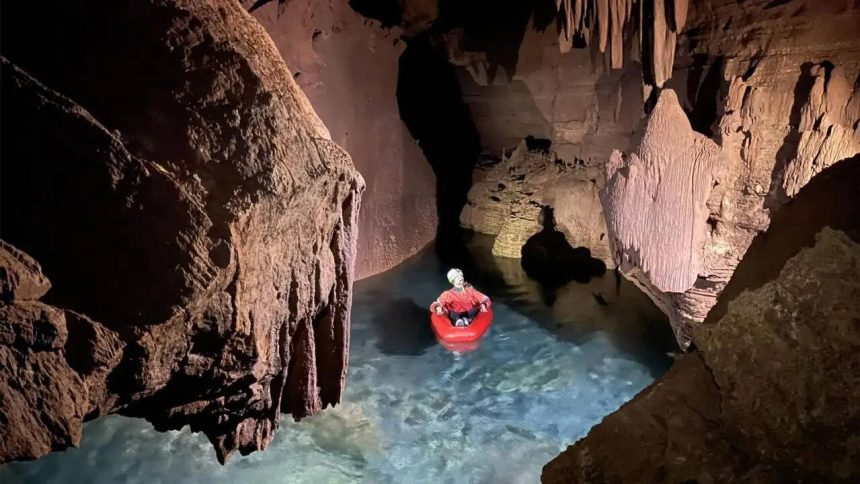
One of the key findings of this research is the importance of groundwater in shaping the Grand Canyon’s landscape. As water flows through the underground system, it dissolves rocks and minerals, creating a network of hidden passages and caverns. This process, known as karstification, is responsible for many of the canyon’s unique features, including its steep cliffs and towering rock formations. By studying the Grand Canyon’s underground hydrology, scientists can gain a better understanding of the intricate relationships between water, rock, and life that have shaped this incredible ecosystem.
Geological History and Evolution
The Grand Canyon’s underground system is not just a product of modern geological processes, but has been shaped over millions of years of tectonic activity, erosion, and deposition. The canyon’s rock layers, which date back over 1.8 billion years, provide a unique window into the region’s geological history. By studying these rocks and the faults and fractures that cut through them, scientists can reconstruct the canyon’s evolution and gain insights into the processes that have shaped the western United States.
One of the most significant events in the Grand Canyon’s history was the uplift of the Colorado Plateau, which began around 70 million years ago. This uplift, which was driven by tectonic forces, caused the rocks of the plateau to be raised above the surrounding landscape, creating a high-elevation region that was then carved out by the Colorado River and other streams. The resulting landscape, with its deep canyons and towering rock formations, is a testament to the power of geological forces to shape our planet.
Conservation and Management Implications
The discovery of the Grand Canyon’s hidden underground system has significant implications for the conservation and management of this incredible ecosystem. By understanding the complex relationships between water, rock, and life that exist within the canyon, scientists and managers can develop more effective strategies for protecting the Grand Canyon’s unique features and preserving its natural beauty for future generations. This includes efforts to protect the canyon’s groundwater resources, which are essential for maintaining the health and diversity of the ecosystem.
As we stand on the rim of the Grand Canyon, gazing out at the breathtaking vista before us, it is easy to forget that there is more to this incredible landscape than meets the eye. The hidden underground system that lies beneath the surface is a reminder of the complexity and beauty of the natural world, and the importance of preserving and protecting these unique ecosystems for the benefit of all living things. By continuing to explore and study the Grand Canyon’s secrets, we can gain a deeper appreciation for the intricate web of life that exists on our planet, and work to ensure that this incredible wonder is preserved for generations to come.