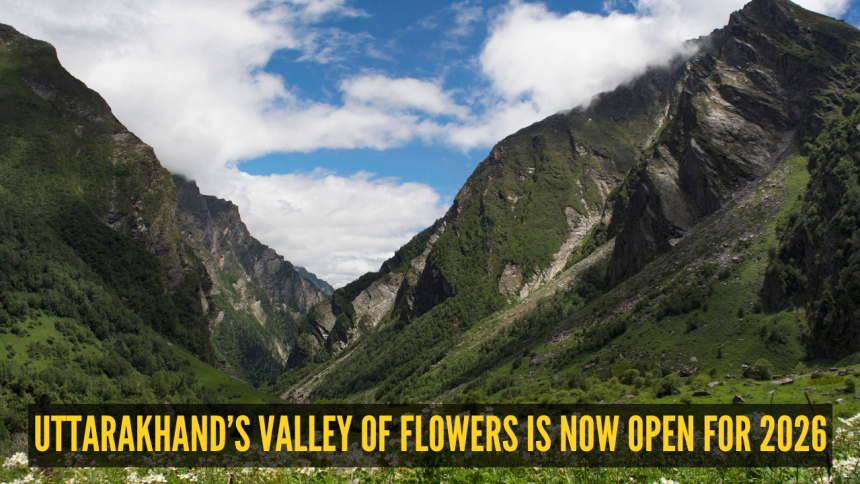
The wait is finally over for nature enthusiasts and adventure-seekers as the majestic Valley of Flowers National Park in Uttarakhand officially opens its gates for the 2026 season on June 1st. As the last wisps of winter snow dissipate, this breathtaking UNESCO World Heritage Site, nestled in the Chamoli district of the Garhwal Himalayas, awakens from its slumber, revealing a kaleidoscope of colours and textures. For those eager to experience the raw beauty of this alpine meadow, now is the time to pack your bags and embark on an unforgettable journey.
First Section: Planning Your Visit
The Valley of Flowers National Park typically remains open until early October, which means you have a narrow window of opportunity to witness the magic of this floral basin. To make the most of your trip, it’s essential to plan ahead. The park can be accessed by a 17-kilometer trek from the village of Ghangaria, which lies at an elevation of 2,670 meters. Visitors can also take a helicopter service or opt for a pony ride, which can be hired at the base of the trek. It’s advisable to carry a valid ID, trekking gear, and comfortable clothing, as well as a camera to capture the stunning vistas.
When it comes to accommodation, Ghangaria offers a range of options, from basic lodges to more luxurious options. However, it’s recommended to book in advance, especially during peak season. Additionally, visitors are required to obtain a permit from the park’s entrance, which can be obtained at the base of the trek. It’s also essential to be mindful of the park’s rules and regulations, including the ban on littering and the use of plastic bags.
Second Section: Exploring the Valley
As you make your way through the trek, the landscape unfolds like a canvas of colours, with wildflowers of every hue bursting forth from the earth. The valley is home to over 500 species of flowers, including the rare and exquisite Brahmakamal, which is considered a sacred flower in Hinduism. Visitors can explore the valley’s many trails, which offer breathtaking views of the surrounding mountains and valleys. It’s not uncommon to spot wildlife, including the Himalayan monal, the state bird of Uttarakhand, and the elusive snow leopard.
The Valley of Flowers is more than just a sightseeing destination; it’s a haven for nature lovers and photographers. The park’s unique geography, with its alpine meadows and snow-capped peaks, creates a dramatic backdrop for capturing stunning images. Visitors can also explore the park’s many waterfalls, which are at their peak during the monsoon season. Whether you’re a seasoned trekker or a nature enthusiast, the Valley of Flowers offers an experience that will leave you in awe of the natural world.
Third Section: Conservation Efforts
The Valley of Flowers National Park is not only a treasure trove of natural beauty but also a vital habitat for many endangered species. The park is home to over 30 species of mammals, including the snow leopard, the Himalayan tahr, and the Asiatic black bear. Conservation efforts are underway to protect the park’s fragile ecosystem, including the reintroduction of native species and the eradication of invasive ones. Visitors can also contribute to the park’s conservation by following the park’s guidelines and respecting the local environment.
As the Valley of Flowers National Park reopens for the 2026 season, it’s essential to remember that we have a responsibility to protect this precious ecosystem. By being mindful of our impact and respecting the park’s rules, we can ensure that this enchanted realm continues to thrive for generations to come.