The Donald Trump administration’s latest move has sent shockwaves through the global trade community, with India being one of the countries named in its proposed additional tariffs under Section 301. The development comes just two days after Commerce Minister Piyush Goyal expressed optimism that the India-US trade deal was nearing completion, with only the finer details remaining to be ironed out. This sudden shift in stance has left many questioning the fate of the long-awaited trade pact and its implications for India’s economy.
What are Section 301 tariffs?
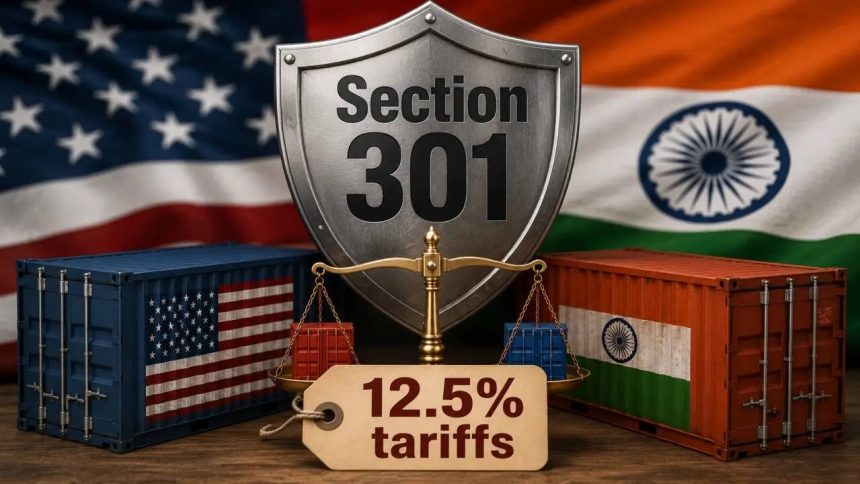
Section 301 of the Trade Act of 1974 is a US trade law that authorizes the President to unilaterally impose tariffs on imported goods from countries deemed to be engaging in unfair trade practices. The tariffs are applied under the theory that they will help level the playing field and protect American industries from unfair competition. The US has already imposed tariffs on several countries, including China, under this provision, and the latest move is aimed at extending this to other nations, including India.
India, which has been a vocal critic of the US’s protectionist trade policies, has been named in the proposed tariffs list, along with several other countries, including the European Union, Canada, and Mexico. The tariffs, which are estimated to be around 12.5% of the value of the imported goods, are seen as a major setback for India’s exports to the US, which have been growing steadily in recent years.
Impact on India’s trade deal talks
The proposed tariffs are likely to have a significant impact on India’s trade deal talks with the US, which have been ongoing for several months. India has been pushing for a comprehensive trade deal that would cover a wide range of areas, including trade in goods and services, investment, and intellectual property rights. However, the US has been seeking concessions from India on issues such as market access for American companies, intellectual property protection, and agricultural trade.
The proposed tariffs are likely to make it even more difficult for India to negotiate a trade deal with the US, as the Indian government will be under pressure to ensure that its exports to the US are not affected. The Indian exporters, who are already facing a challenging business environment due to the ongoing slowdown in the global economy, will be hit hard by the additional tariffs.
Way forward for India
For India, the way forward is to engage with the US government to try to resolve the issue of tariffs and trade agreements. India needs to take a tough stance on the issue of market access and intellectual property protection, while also being willing to make concessions on issues such as agricultural trade and investment. The Indian government should also consider exploring other markets for its exports, such as the European Union and other countries in Asia, to reduce its dependence on the US market.
The proposed tariffs are a major setback for India’s trade deal talks with the US, but it is not the end of the road. India needs to be proactive in engaging with the US government and finding a solution that works for both countries. With diplomacy and a willingness to negotiate, it is possible to find a way forward that benefits both India and the US.