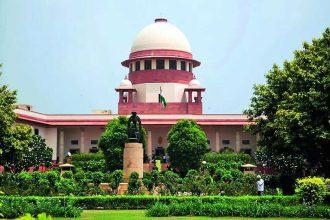
The Supreme Court has sent a strong message to the nation’s law enforcement agencies, emphasizing that police officers who abuse their authority will be dealt with sternly. The ruling comes after a disturbing incident in which three Maharashtra police officers allegedly harassed a family, including a minor girl, following a search on a train. The Court’s decision to cancel the anticipatory bail granted to the accused officers is a significant step towards ensuring that those in positions of power are held accountable for their actions.
Abuse of Authority
The Supreme Court’s judgment highlights the need for police officers to be held to a higher standard of conduct. The Court noted that presumptions and standards applicable to an accused-layperson would not apply to police officers, as they are expected to uphold the law and protect citizens. The fact that the accused officers were granted anticipatory bail in the first place is a clear indication of the systemic flaws that exist within the justice system. The Court’s decision to cancel the bail is a welcome move, as it sends a clear message that police misconduct will not be tolerated.
The incident in question is a disturbing example of the harassment and intimidation that many citizens face at the hands of police officers. The fact that a minor girl was involved makes the incident even more egregious. The Supreme Court’s ruling is a reminder that police officers are not above the law and that they will be held accountable for their actions. The judgment is also a testament to the Court’s commitment to protecting the rights of citizens and ensuring that justice is served.
Consequences of Misconduct
The consequences of police misconduct can be severe and far-reaching. Not only can it lead to physical harm and emotional trauma for the victims, but it can also erode trust in the justice system. When police officers abuse their authority, it creates a sense of fear and mistrust among citizens, making it more difficult for law enforcement agencies to effectively do their job. The Supreme Court’s ruling is a step towards rebuilding trust and ensuring that police officers are held to the highest standards of conduct.
The judgment is also a reminder that police officers are not just enforcers of the law, but also public servants. They have a duty to protect and serve the community, and any deviation from this duty will be met with severe consequences. The Supreme Court’s decision to cancel the anticipatory bail granted to the accused officers is a clear indication that the judiciary is committed to ensuring that police officers are held accountable for their actions.
A New Era of Accountability
The Supreme Court’s ruling marks a new era of accountability for police officers in India. The judgment is a clear indication that the judiciary is committed to protecting the rights of citizens and ensuring that those in positions of power are held accountable for their actions. The ruling is also a reminder that police officers are not above the law and that they will be held to the highest standards of conduct. As the nation moves forward, it is essential that law enforcement agencies prioritize accountability and transparency, and work towards rebuilding trust with the community.
The Supreme Court’s decision to cancel the anticipatory bail granted to the accused officers is a significant step towards ensuring that justice is served. The judgment is a reminder that police misconduct will not be tolerated and that those who abuse their authority will be dealt with sternly. As the nation moves forward, it is essential that we prioritize accountability and transparency, and work towards creating a justice system that is fair, equitable, and just for all.