As the world grapples with the challenges of climate change and sustainable energy, India is taking a significant leap towards a greener future. The country is poised to achieve a major milestone in its renewable energy journey, with more than 75 lakh households expected to be powered by rooftop solar systems by December. This ambitious target is part of the PM Surya Ghar Muft Bijli Yojana, a flagship program aimed at promoting the adoption of solar energy across the country. The initiative has been gaining momentum, with an increasing number of households opting for rooftop solar installations to reduce their dependence on conventional energy sources.
Rooftop Solar Revolution
The rooftop solar sector has been witnessing rapid growth in recent years, driven by declining solar panel costs, improved technology, and favorable government policies. The PM Surya Ghar Muft Bijli Yojana has been instrumental in driving this growth, providing financial incentives and subsidies to households and institutions to adopt solar energy. The program has also created new employment opportunities in the renewable energy sector, contributing to the country’s economic growth. As the demand for rooftop solar systems continues to rise, manufacturers and installers are ramping up their production capacities to meet the growing demand.
The benefits of rooftop solar energy are numerous, ranging from reduced electricity bills to lower carbon emissions. By harnessing the power of the sun, households can significantly reduce their reliance on grid electricity, resulting in cost savings and a decreased carbon footprint. Moreover, rooftop solar systems require minimal maintenance and can last for up to 25 years, making them a viable long-term investment for homeowners. As the country moves closer to achieving its renewable energy targets, the rooftop solar sector is expected to play a vital role in shaping India’s energy landscape.
Government Support and Initiatives
The government has been actively promoting the adoption of rooftop solar energy through various initiatives and policies. The Ministry of New and Renewable Energy has set a target of achieving 40 gigawatts of rooftop solar capacity by 2022, and the sector is expected to receive significant investments in the coming years. The government has also introduced net metering policies, allowing households to sell excess energy back to the grid and receive compensation. Additionally, financial institutions are offering low-interest loans and subsidies to encourage the adoption of rooftop solar systems, making it more accessible to a wider range of consumers.
The government’s efforts to promote rooftop solar energy have been yielding positive results, with an increasing number of states and cities adopting solar energy. The city of Diu, for example, has become a model for solar-powered cities, with over 50% of its energy needs being met through rooftop solar systems. Other cities, such as Delhi and Mumbai, are also actively promoting the adoption of rooftop solar energy, with initiatives such as building-by-building solar installations and solar-powered streetlights.
Challenges and Future Outlook
Despite the rapid growth of the rooftop solar sector, there are still several challenges that need to be addressed. One of the major hurdles is the high upfront cost of rooftop solar systems, which can be a deterrent for many households. Additionally, the lack of awareness and education about the benefits of rooftop solar energy can also hinder adoption. However, with the government’s continued support and initiatives, the sector is expected to overcome these challenges and achieve its growth potential. As the country moves towards achieving its renewable energy targets, the rooftop solar sector is poised to play a vital role in shaping India’s energy future.
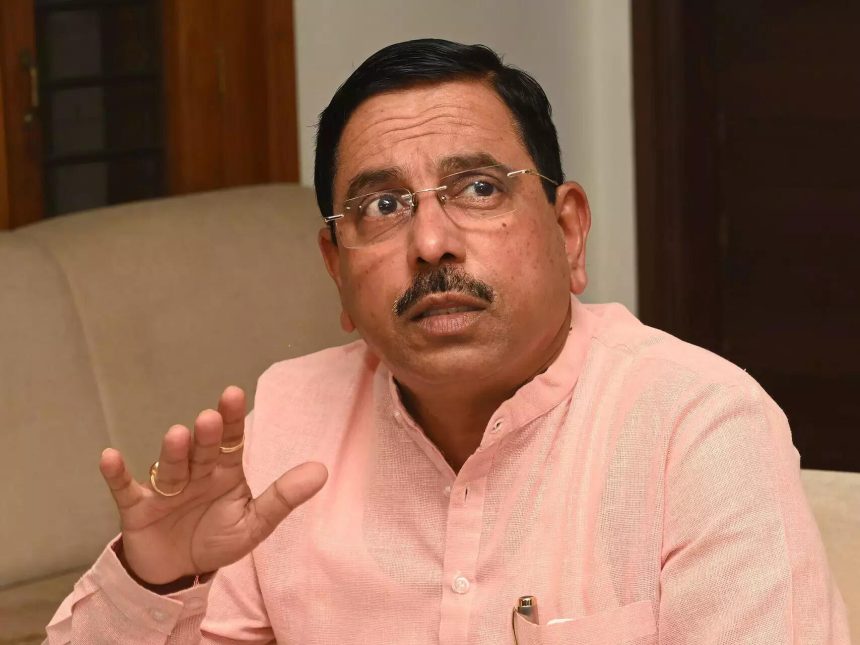
The minister for new and renewable energy, Pralhad Joshi, has expressed confidence in achieving the target of 75 lakh rooftop solar households by December. With the sector expected to continue its rapid growth, India is well on its way to becoming a global leader in renewable energy. As the country shines bright with its rooftop solar installations, it is an exciting time for the renewable energy sector, and the future looks promising for a sustainable and energy-secure India.