India’s power grid hit a milestone on May 21, exceeding 270 gigawatts for the first time. This unprecedented peak, reaching 270.73 GW, underscored the nation’s remarkable journey in managing its electricity demand. As the country strives to fuel its rapid growth, the story of how India keeps its lights on is one of remarkable resilience, innovative solutions, and a deepening understanding of the intricacies of the power sector.
Powering Progress: The Drivers of Demand
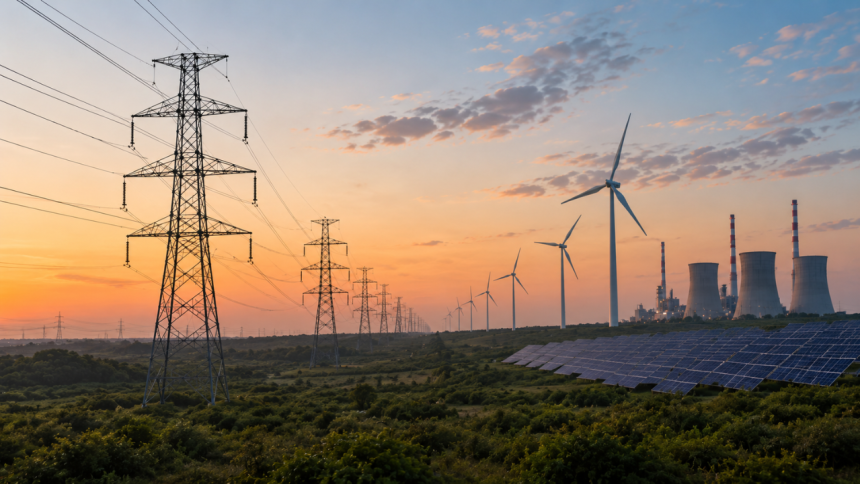
The rising demand for electricity in India is largely driven by the country’s rapid economic growth and urbanization. With a population that has surpassed 1.3 billion, India’s needs are immense – and growing. Cities like Mumbai, Delhi, and Bengaluru are hubs of commerce, industry, and innovation, consuming a significant portion of the country’s energy output. The Indian government has set ambitious targets to increase the proportion of renewable energy in the energy mix, with a focus on solar and wind power. As this shift gathers pace, the nation is reaping the benefits of clean energy, but also confronting new challenges in integrating these sources into the grid.
Another key factor driving power demand is the Indian government’s ‘Make in India’ initiative, aimed at boosting domestic manufacturing and industrial growth. The program has attracted significant investments in sectors like electronics, automotive, and pharmaceuticals, all of which require large amounts of power to operate. The resultant surge in demand has put pressure on the grid, but also created opportunities for growth and innovation in the power sector.
Keeping the Lights On: Innovative Solutions and Technologies
India’s power grid is no stranger to challenges, but the country has developed a range of innovative solutions to keep the lights on. One such initiative is the ‘Smart Grid’ project, which aims to integrate renewable energy sources, energy storage systems, and advanced grid management technologies. This project has enabled utilities to better predict and manage power supply, reducing the likelihood of grid failures and brownouts.
Another area of focus is energy efficiency, with the government promoting the adoption of energy-efficient technologies in industries and households. By leveraging cutting-edge solutions like LED lighting, smart meters, and energy-efficient appliances, India is reducing its overall energy consumption and curbing peak demand. This, in turn, has helped to alleviate pressure on the grid, allowing the country to meet its growing electricity needs.
A Grid of the Future: Sustainability and Growth
As India’s power grid continues to evolve, sustainability and growth are at the forefront of the nation’s strategy. The government has set ambitious targets for renewable energy and energy efficiency, with a focus on reducing greenhouse gas emissions and promoting clean energy. The ‘National Electricity Plan’ outlines a roadmap for the sector, emphasizing the need for modernization, integration, and innovation.
In the face of a rapidly changing energy landscape, India’s power sector is poised for transformation. With a deepening understanding of its needs and a commitment to innovation, the country is well on its way to creating a grid that is not only resilient but also sustainable and responsive to the needs of its citizens.
As the nation continues to power its progress, one thing is clear: India’s journey towards a brighter, more sustainable energy future is just beginning. With its unwavering spirit and innovative approach, the country is set to illuminate the path for others to follow.