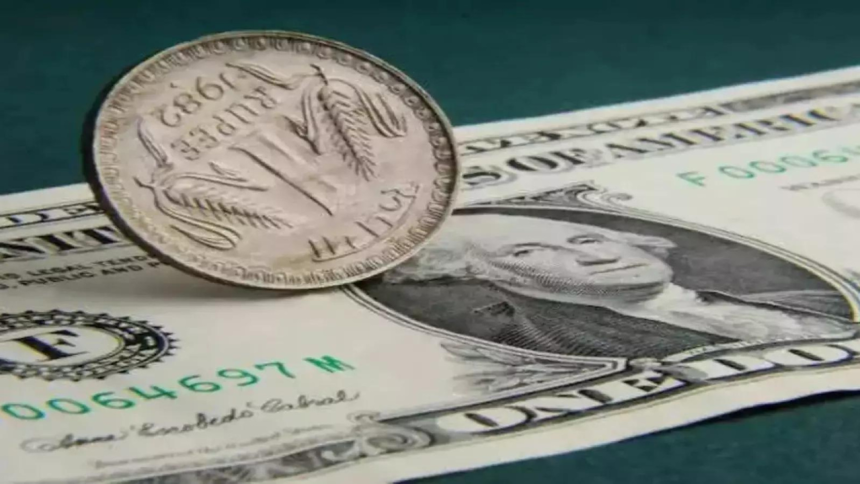
The Indian rupee’s recent gains, driven by the Reserve Bank of India’s efforts to stabilize the currency, were short-lived as it reversed course and fell 43 paise to close at 95.61 against the US dollar on Monday. This downward trend was largely attributed to the sharp rise in crude oil prices and a stronger greenback, which have been exacerbated by escalating geopolitical tensions in the Middle East. The rupee’s decline has significant implications for India’s economy, particularly in terms of trade and foreign investment.
Economic Implications
The rise in crude oil prices is a major concern for India, which relies heavily on imports to meet its energy needs. A stronger US dollar also makes imports more expensive, which can lead to higher prices for consumers and increased production costs for businesses. This can have a ripple effect throughout the economy, potentially leading to higher inflation and reduced economic growth. Furthermore, a weaker rupee can make Indian exports less competitive in the global market, which can negatively impact the country’s trade balance.
The impact of the rupee’s decline is already being felt in the markets, with investors becoming increasingly cautious. The Indian stock market has been volatile in recent days, with investors seeking safer assets such as gold and bonds. The decline in the rupee has also led to an increase in the cost of borrowing for Indian companies, which can reduce their ability to invest and expand their operations. As the situation continues to unfold, it remains to be seen how the Reserve Bank of India will respond to the challenges posed by the rupee’s decline.
Global Factors at Play
The current situation in the Middle East has contributed significantly to the rise in crude oil prices and the strengthening of the US dollar. The ongoing conflict has disrupted oil supplies, leading to higher prices and increased volatility in the market. The US dollar, seen as a safe-haven asset, has benefited from the uncertainty and instability in the region. As the situation continues to escalate, it is likely that the price of crude oil will remain high, putting further pressure on the rupee.
The global economy is also facing other challenges, including a slowdown in growth and increased trade tensions. The ongoing trade war between the US and China has had a significant impact on global trade, leading to reduced investment and lower economic growth. The situation in the Middle East has added to these challenges, creating a perfect storm that is affecting currencies and economies around the world. As the global economy continues to navigate these challenges, it is likely that the rupee will remain volatile, with its value being influenced by a range of factors.
Future Outlook
The future of the rupee remains uncertain, with a range of factors that will influence its value in the coming days and weeks. The Reserve Bank of India will likely take steps to stabilize the currency and reduce the impact of the rise in crude oil prices. This could include intervening in the foreign exchange market or increasing interest rates to attract foreign investment. The government may also take steps to reduce the country’s reliance on imports and increase domestic production, which could help to reduce the impact of a weaker rupee.
As the situation continues to unfold, it is essential for investors and businesses to remain cautious and adapt to the changing circumstances. The decline in the rupee is a reminder of the complexities and challenges of the global economy, and the need for flexibility and resilience in the face of uncertainty. With the right policies and strategies in place, India can navigate the current challenges and emerge stronger and more resilient in the long term. The rupee’s decline is a setback, but it also presents an opportunity for the country to reform and strengthen its economy, and to emerge as a more competitive and attractive destination for investment and trade.