As parents, it’s natural to want our children to grow up with a strong sense of identity and connection to their roots. In today’s fast-paced digital world, it can be challenging to pass down traditions and values to the next generation. However, it’s more important than ever to ensure our children understand and appreciate their heritage. Indian culture, with its rich history and mythology, offers a wealth of stories, customs, and values that can inspire and educate our children. By incorporating simple and meaningful activities into our daily lives, we can help our children connect with their Indian heritage and keep traditions alive.
Exploring Indian History and Mythology
One of the most effective ways to connect our children with Indian heritage is to share the stories of our ancestors. We can start by reading classic Indian texts like the Ramayana and the Mahabharata, which are filled with exciting tales of gods and goddesses, heroes and villains. These stories not only provide a glimpse into our cultural heritage but also offer valuable lessons about morality, duty, and the importance of following one’s dharma. We can also use visual aids like paintings, sculptures, and documentaries to bring these stories to life and make them more engaging for our children. By exploring Indian history and mythology, our children will develop a deeper understanding of our cultural roots and the values that have shaped our society.
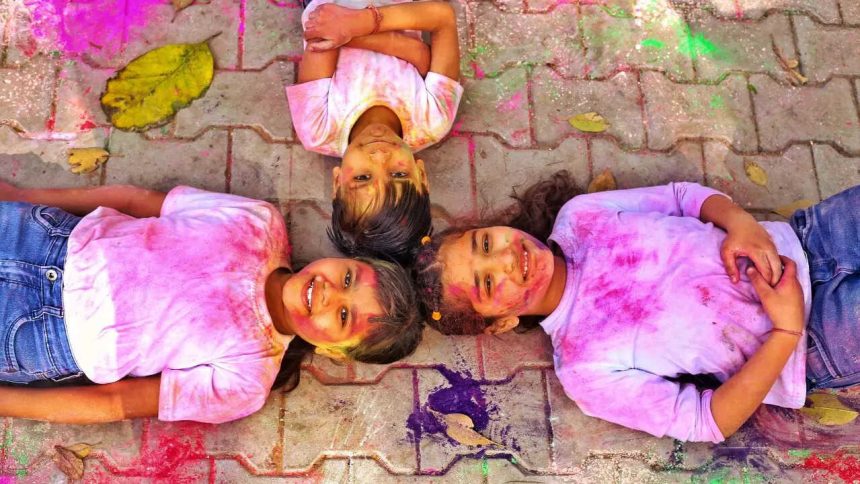
Another way to connect our children with Indian heritage is to celebrate traditional festivals and holidays. Diwali, Holi, and Navratri are just a few examples of the many vibrant festivals that are an integral part of Indian culture. We can plan special activities and rituals to mark these occasions, such as making traditional sweets, decorating the house with flowers and diyas, and singing folk songs. By participating in these celebrations, our children will develop a sense of connection to their heritage and learn the importance of community and family bonding.
Cooking and Sharing Traditional Cuisine
Cooking and sharing traditional Indian cuisine is another great way to connect our children with their heritage. We can teach them how to make simple dishes like chapatis, dal, and rice, as well as more complex recipes like curries and biryanis. By cooking together, our children will learn about the importance of using fresh ingredients, following recipes, and respecting the art of cooking. Sharing meals with family and friends is also a great way to build relationships and create lasting memories. By introducing our children to the rich flavors and aromas of Indian cuisine, we can help them develop a deeper appreciation for their cultural heritage.
We can also use cooking as an opportunity to share stories and traditions. For example, we can teach our children about the significance of certain dishes, such as the importance of serving vegetarian food on certain days of the week or the tradition of serving sweets on special occasions. By sharing these stories, we can help our children understand the cultural context behind our food and develop a greater appreciation for the traditions that have been passed down through generations.
Playing Traditional Music and Dance
Music and dance are essential parts of Indian culture, and introducing our children to traditional music and dance can be a fun and engaging way to connect them with their heritage. We can start by teaching them simple instruments like the tabla, tanpura, or harmonium, and then move on to more complex instruments like the sitar or the veena. We can also encourage our children to learn traditional dance forms like Bharatanatyam, Kathak, or Odissi, which are rich in history and cultural significance. By playing traditional music and dance, our children will develop a deeper appreciation for the art forms that have been an integral part of Indian culture for centuries.
We can also use music and dance as a way to connect our children with their cultural roots. For example, we can teach them about the significance of certain songs or dances, such as the importance of singing devotional songs during puja or the tradition of performing folk dances during special occasions. By sharing these stories, we can help our children understand the cultural context behind our music and dance and develop a greater appreciation for the traditions that have been passed down through generations.
By incorporating these simple and meaningful activities into our daily lives, we can help our children connect with their Indian heritage and keep traditions alive. Whether it’s exploring Indian history and mythology, celebrating traditional festivals, cooking and sharing traditional cuisine, or playing traditional music and dance, there are countless ways to inspire and educate our children about their cultural roots. By passing down our traditions and values to the next generation, we can ensure that our children grow up with a strong sense of identity, pride, and belonging to their Indian heritage.