The Food Safety and Standards Authority of India (FSSAI) has finally put to rest the controversy surrounding its alleged new regulation mandating zero added sugar in infant foods, clarifying that no such rule has been introduced. This development comes amidst growing concerns among parents and health experts over the high sugar content in commercially available baby foods, which has been linked to a range of health issues in infants, including obesity, diabetes, and dental problems.
The FSSAI’s clarification has been met with both relief and disappointment, depending on one’s perspective. While some parents and health advocates had welcomed the proposed regulation, seeing it as a crucial step towards promoting healthier eating habits in infants, others had expressed apprehension over the potential impact on the availability and affordability of baby foods. The FSSAI’s statement is likely to come as a blow to those who had been pushing for a sugar-free policy in infant foods.
Despite the FSSAI’s clarification, many are still calling for tighter regulations on the sugar content in baby foods. They argue that commercial baby foods are often high in added sugars, which can have detrimental effects on infant health. Some even suggest that the FSSAI should go beyond the current guidelines and introduce stricter regulations on the use of added sugars in baby foods. While the FSSAI’s stance may have been clarified, the debate over sugar in baby foods is far from over.
Why the Controversy Over Sugar in Baby Foods?
The controversy over sugar in baby foods is fueled by growing concerns over the high sugar content in commercially available baby foods. Many of these products contain high levels of added sugars, which can have serious consequences for infant health. Research has shown that excessive sugar consumption in early childhood can lead to a range of health problems, including obesity, diabetes, and dental issues. Furthermore, the World Health Organization recommends that infants under two years old consume no added sugars at all.
Commercial baby food manufacturers have been criticized for relying heavily on added sugars to enhance the taste and texture of their products. This has led to a proliferation of high-sugar baby foods on the market, which can be detrimental to infant health. In response, many parents and health advocates have been pushing for a sugar-free policy in infant foods, seeing it as a crucial step towards promoting healthier eating habits in infants.
However, others have argued that a sugar-free policy could be overly restrictive and would have unintended consequences, such as driving up prices and limiting the availability of baby foods. They suggest that the FSSAI should focus on educating parents and caregivers on the importance of healthy eating habits in infants, rather than introducing strict regulations on the sugar content in baby foods.
What’s Next for Baby Food Regulations?
The FSSAI’s clarification on its stance regarding sugar in baby foods has raised more questions than answers. While the authority has made it clear that no new regulation is in place, many are still calling for tighter controls on the sugar content in baby foods. Some are even urging the FSSAI to introduce stricter regulations on the use of added sugars in baby foods.
One thing is certain: the debate over sugar in baby foods is far from over. As the Indian government continues to grapple with the complexities of regulating the food industry, parents and caregivers must remain vigilant in their efforts to promote healthier eating habits in infants. By staying informed and advocating for change, we can work towards a future where baby foods are not only safe but also healthy.
What You Can Do to Promote Healthier Eating Habits in Infants
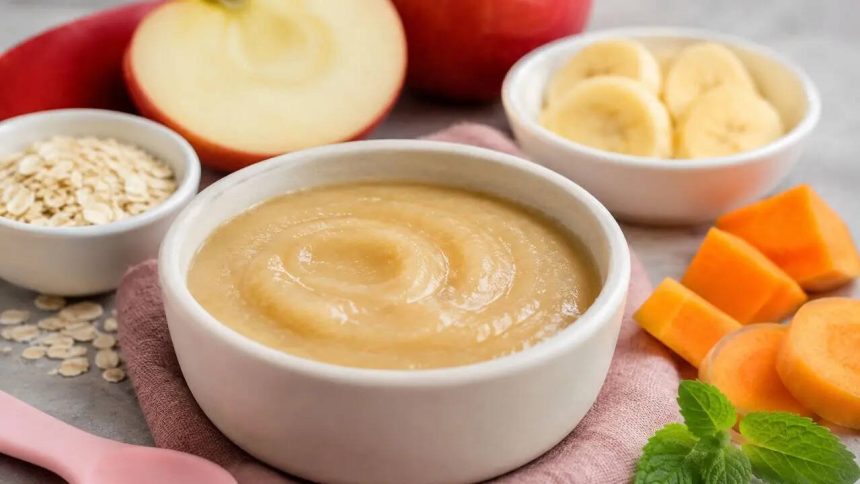
As a parent or caregiver, there are several steps you can take to promote healthier eating habits in infants. Firstly, be mindful of the ingredients and nutritional content of the baby foods you choose. Opt for products that are low in added sugars and high in essential nutrients. Secondly, consider preparing your own baby foods at home using fresh, whole ingredients. Not only will this allow you to control the sugar content, but it will also ensure that your infant is getting the nutrients they need to thrive.
Finally, stay informed about the latest nutritional guidelines and research on infant health. By staying up-to-date and advocating for change, you can play a crucial role in shaping a healthier future for infants and toddlers.
As the debate over sugar in baby foods continues, one thing is certain: the future of infant health hangs in the balance. By working together and advocating for change, we can create a world where baby foods are not only safe but also healthy. The FSSAI’s clarification may have been a setback, but it is also an opportunity for parents, caregivers, and health advocates to come together and push for a better future.