On a crisp autumn afternoon, as I strolled down a quiet lane, I was stopped dead in my tracks by a peculiar sight. A young girl, no more than ten years old, was sitting on a bench, her eyes closed, and her fingers strumming the strings of an old guitar. The sweet melody wafted through the air, mesmerizing everyone around her. I stood there, transfixed, as the music seemed to transport me to a different world. It was as if I had stumbled upon a hidden treasure, a moment of pure serendipity that would stay with me for a long time.
The Art of Discovery
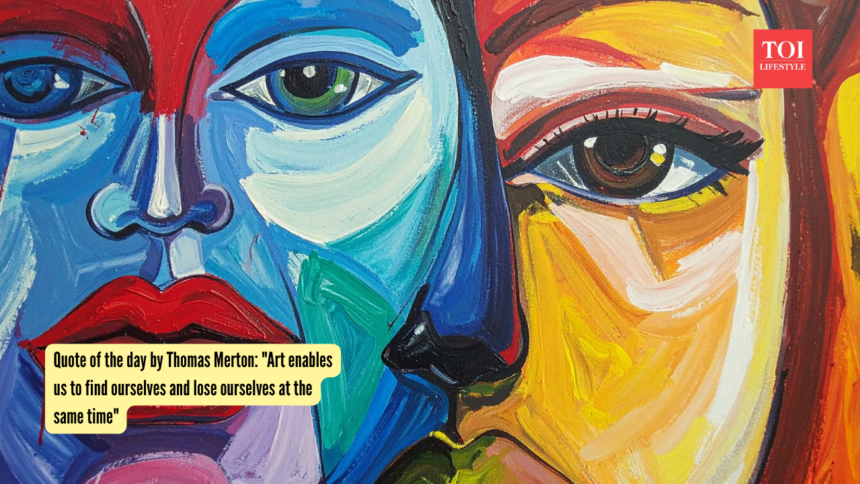
Thomas Merton, the renowned poet and monk, once said, ‘Art enables us to find ourselves and lose ourselves at the same time.’ His words resonated with me as I watched the young girl play her guitar. It was as if she had tapped into a deeper truth, a connection to something universal and timeless. Her music was a reflection of the beauty and complexity of human experience, a testament to the power of art to transcend and transform us.
As I stood there, I couldn’t help but think about the countless moments of serendipity that have shaped our lives. The chance encounters, the unexpected meetings, and the surprising discoveries that have led us to where we are today. It’s a reminder that life is full of hidden patterns and connections, waiting to be uncovered and explored.
The Science of Serendipity
Research has shown that our brains are wired to recognize patterns and make connections between seemingly unrelated things. This is known as the ‘pattern recognition’ phenomenon, where our brains attempt to make sense of the world by identifying relationships between disparate elements. Serendipity, in many ways, is a manifestation of this process, where our minds stumble upon unexpected connections and relationships that lead to new insights and understanding.
Studies have also shown that people who experience more serendipitous events tend to be more open-minded, curious, and adaptable. They are more likely to take risks, explore new possibilities, and seek out new experiences. This is because serendipity requires us to be present in the moment, to be receptive to new information and experiences, and to be willing to challenge our assumptions and biases.
The Power of Serendipity in Our Lives
So, what can we learn from the power of serendipity? Firstly, it reminds us that life is full of unexpected twists and turns, and that sometimes the best things in life come from unexpected places. Secondly, it encourages us to be more open-minded, curious, and adaptable, to seek out new experiences and to be receptive to new information. And thirdly, it shows us that art and creativity have the power to transform and transcend us, to connect us to something deeper and more meaningful.
As I walked away from the young girl playing her guitar, I felt a sense of gratitude and wonder. I realized that serendipity is not just a chance encounter, but a reminder of the beauty and complexity of human experience. It’s a reminder that life is full of hidden patterns and connections, waiting to be uncovered and explored. And it’s a reminder that art and creativity have the power to transform and transcend us, to connect us to something deeper and more meaningful.