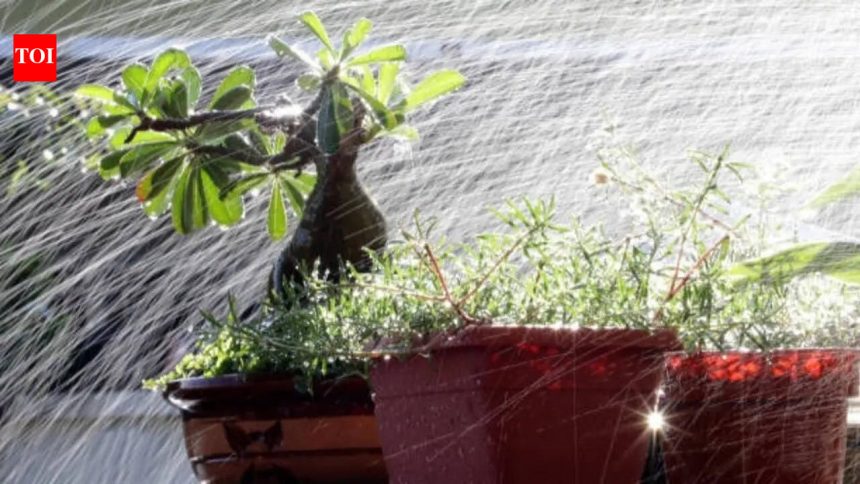
The onset of the rainy season is a welcome respite from the scorching heat, but for balcony gardeners, it brings a mix of emotions. While the rains provide plants with the much-needed moisture, they can also pose a threat to the delicate balance of your garden ecosystem. From root rot and fungal infections to pests and stunted growth, the rainy season can wreak havoc on your balcony garden if you’re not careful. As a seasoned gardener, it’s essential to be aware of the common mistakes that can spell disaster for your plants and take proactive steps to prevent them.
Overwatering: The Silent Killer of Balcony Gardens
One of the most common mistakes balcony gardeners make during the rainy season is overwatering. With the increased humidity, it’s tempting to water your plants more frequently, but this can lead to root rot, a condition that’s difficult to treat and can ultimately kill your plants. The key is to strike a balance between providing your plants with enough water and not suffocating them. Check the soil moisture by sticking your finger into the soil up to the first knuckle, and water only when it feels dry. Also, make sure to use a well-draining potting mix to prevent waterlogged soil.
Another aspect to consider is the type of plants you’re growing. Some plants, like succulents and cacti, are adapted to dry conditions and don’t require much water. On the other hand, plants like ferns and peace lilies thrive in moist environments and may need more frequent watering. Research the specific watering needs of your plants and adjust your watering schedule accordingly.
Ignoring Pests and Diseases
The rainy season is also a prime time for pests and diseases to take hold in your balcony garden. With the increased humidity, fungal infections like powdery mildew and downy mildew can spread quickly, while aphids, whiteflies, and spider mites can infest your plants. Regularly inspect your plants for signs of pests and diseases, and take action promptly if you notice any issues. Isolate infected plants to prevent the spread of disease, and use organic pest control methods like neem oil or insecticidal soap to keep pests under control.
It’s also essential to maintain good garden hygiene. Regularly clean your planters, tools, and gardening equipment to prevent the spread of diseases. Disinfect any surfaces that come into contact with your plants, and wash your hands before handling your plants to prevent the transfer of diseases.
Lack of Air Circulation and Poor Drainage
Poor air circulation and inadequate drainage can also contribute to problems in your balcony garden during the rainy season. When the air is stagnant, fungal diseases can spread quickly, while poor drainage can lead to waterlogged soil and root rot. Make sure to provide good air circulation around your plants by keeping them at least 6-8 inches apart and using trellises or other supports to keep plants upright. Also, ensure that your planters have adequate drainage holes to prevent water from accumulating in the soil.
Another important aspect to consider is the type of planters you’re using. Plastic planters can retain moisture, making them a breeding ground for fungal diseases. Consider using planters made from breathable materials like terracotta or ceramic, which allow for better air circulation and drainage.
By being aware of these common mistakes and taking proactive steps to prevent them, you can enjoy a thriving balcony garden even during the rainy season. Remember to strike a balance between providing your plants with enough water and not suffocating them, ignore pests and diseases promptly, and maintain good garden hygiene. With a little care and attention, your balcony garden will continue to flourish, even in the midst of the rainy season.