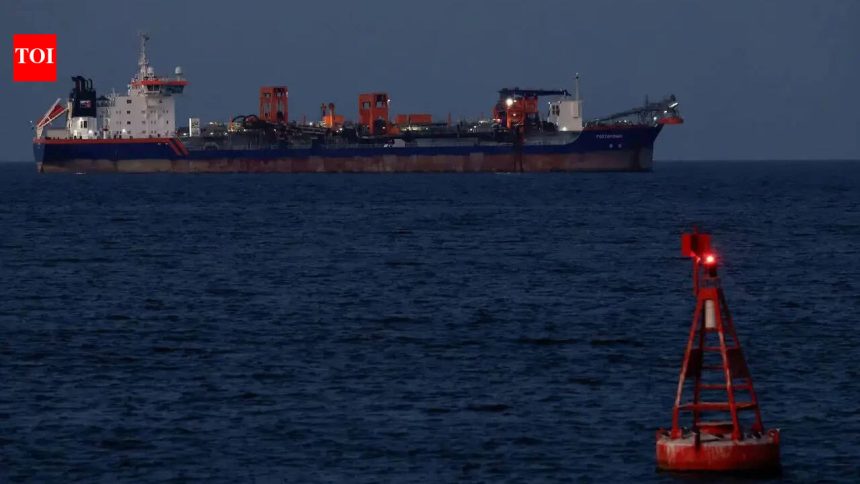
A dramatic rescue operation has successfully saved the lives of all 14 crew members on board the India-flagged vessel MSV Virat 1, which sank off the coast of Oman on Sunday. The crew was evacuated from the ship after it began taking on water approximately 80 nautical miles east of Ras Al Hadd, Oman, in a remarkable operation that ensured the safety of all those on board. The first photograph of the rescued crew has been released, showing all 14 members safe and accounted for, bringing relief to their families and loved ones.
Rescue Efforts
The rescue operation was swift and efficient, with nearby vessels and emergency services responding promptly to the distress call from the MSV Virat 1. The crew had sent out a distress signal after realizing the ship was taking on water at an alarming rate, and help arrived just in time to evacuate them to safety. The rescue teams worked tirelessly to ensure the safe evacuation of all crew members, and their efforts have been hailed as a testament to the bravery and selflessness of those involved in the operation.
The sinking of the MSV Virat 1 is a stark reminder of the dangers faced by seafarers every day, and the importance of having robust emergency procedures in place to respond to such incidents. The cause of the ship’s sinking is still unknown, but an investigation is likely to be launched to determine the circumstances surrounding the incident. For now, the focus is on the safe recovery of the crew and the salvage of any remaining cargo or equipment from the sunken ship.
Response and Investigation
The response to the incident has been praised by maritime authorities, who have commended the swift and coordinated effort of the rescue teams. The Indian government has also issued a statement expressing relief and gratitude that all crew members are safe, and has pledged to provide support and assistance to the families of those affected. The incident will likely be the subject of a thorough investigation, which will aim to establish the cause of the ship’s sinking and identify any measures that could be taken to prevent similar incidents in the future.
The investigation will involve a range of stakeholders, including maritime authorities, shipping companies, and regulatory bodies. It will examine factors such as the ship’s maintenance and inspection records, the training and experience of the crew, and the effectiveness of the emergency procedures in place. The findings of the investigation will be crucial in informing measures to improve safety standards in the shipping industry and reduce the risk of similar incidents occurring in the future.
Aftermath and Recovery
The rescue of the MSV Virat 1 crew is a welcome outcome to what could have been a tragic incident, and the focus now shifts to the recovery and salvage efforts. The sunken ship will need to be located and assessed for any potential environmental damage, and arrangements will need to be made for the crew to return home. The incident will also have implications for the shipping industry, with a renewed focus on safety and emergency preparedness likely to follow.
The crew of the MSV Virat 1 can now begin the process of recovery and reunification with their loved ones, thanks to the heroic efforts of the rescue teams. The photograph of the rescued crew, smiling and relieved, is a powerful reminder of the importance of teamwork, bravery, and quick thinking in the face of danger. As the investigation into the incident continues, the shipping industry will be watching closely to learn from the experience and implement measures to prevent similar incidents from occurring in the future.
The rescue of the MSV Virat 1 crew is a testament to the power of human resilience and the importance of safety at sea. The incident serves as a reminder of the risks and challenges faced by seafarers every day, and the need for continued investment in safety measures and emergency preparedness. As the crew begins their journey to recovery, the maritime community will be watching with interest to see what lessons can be learned from this incident, and how they can be applied to improve safety standards across the industry.