“content”:”
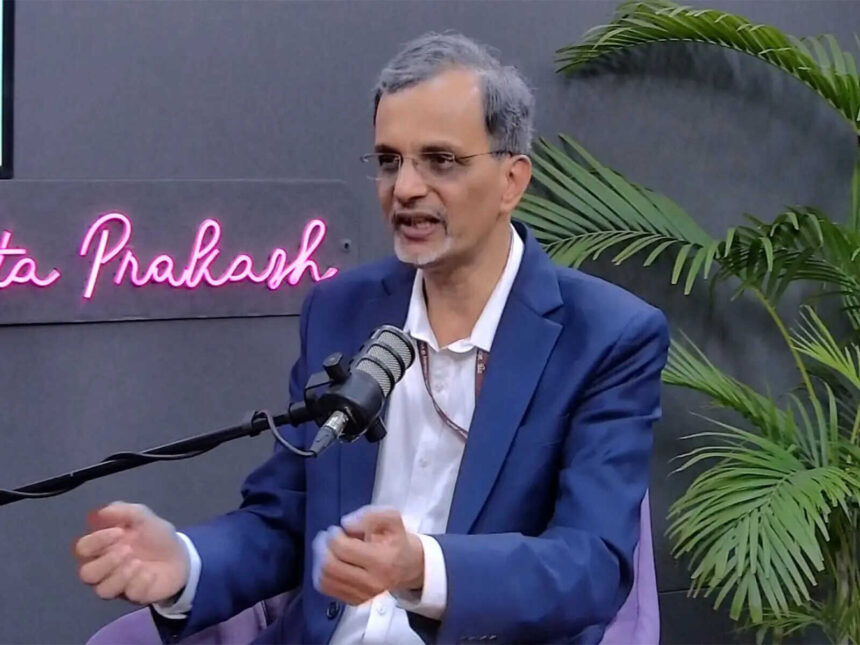
The Indian economy is grappling with a host of challenges, but a recent warning from the Chief Economic Advisor (CEA) V Anantha Nageswaran has sparked a fresh debate on the current valuations of AI-related companies. In a candid assessment, the CEA has described these valuations as a “bubble”, cautioning that the fears about AI-driven job losses may be exaggerated amid intense investor enthusiasm around the technology. This warning has sent shockwaves across the financial community, raising questions about the sustainability of these valuations and the implications for the Indian economy.
Exaggerated Fears or Real Concerns?
The CEA’s warning is not without basis. While AI has the potential to disrupt industries and automate jobs, the extent of job losses is still a topic of debate. Many experts argue that AI will augment human capabilities, rather than replace them, leading to new job opportunities in fields like AI development, deployment, and maintenance. Moreover, the Indian government has already taken steps to upskill the workforce and prepare them for the changing job market. However, the CEA’s warning highlights the need for a more nuanced discussion on the impact of AI on employment.
Furthermore, the current valuations of AI-related companies are largely based on speculative investments, with many investors betting on the potential of AI to drive growth and profits. While this enthusiasm is understandable, it is essential to separate hype from reality and assess the fundamentals of these companies. The CEA’s warning serves as a reminder that the Indian economy cannot afford to be complacent and must focus on creating a more sustainable and equitable growth model.
The Role of Policy and Regulation
The CEA’s warning also highlights the need for policy and regulatory frameworks that can address the challenges and opportunities presented by AI. The Indian government has already taken steps to promote AI adoption and development, but more needs to be done to ensure that the benefits of AI are shared equitably among all stakeholders. This includes investing in education and training programs that can help workers adapt to the changing job market and creating regulations that can mitigate the risks associated with AI.
Moreover, the CEA’s warning underlines the need for a more collaborative approach between the government, industry, and academia to develop AI in a responsible and sustainable manner. This requires a shared understanding of the opportunities and challenges presented by AI and a commitment to creating a growth model that benefits all segments of society.
Implications for the Indian Economy
The CEA’s warning has significant implications for the Indian economy, particularly in the context of the current economic slowdown. The valuations of AI-related companies are not only a reflection of investor enthusiasm but also a source of speculation that can create market instability. If the CEA’s warning is ignored, it could lead to a correction in these valuations, which could have a ripple effect on the broader market and the Indian economy.
However, the CEA’s warning also presents an opportunity for the Indian economy to reorient itself and focus on creating a more sustainable and equitable growth model. By taking a more nuanced approach to AI adoption and development, the government can create a growth model that benefits all segments of society and ensures that the benefits of AI are shared equitably among all stakeholders.
In conclusion, the CEA’s warning on the current valuations of AI-related companies serves as a reminder that the Indian economy must be cautious and forward-looking in its approach to AI adoption and development. By taking a more nuanced approach and focusing on creating a sustainable and equitable growth model, the government can ensure that the benefits of AI are shared equitably among all stakeholders and that the Indian economy is better prepared for the challenges and opportunities presented by this technology.
“,
“excerpt”:”Chief Economic Advisor V Anantha Nageswaran has warned that the current valuations of AI-related companies are a “bubble” and that fears about AI-driven job losses may be exaggerated.”,
“tags”:[“AI”, “Indian economy”, “job losses”, “valuation bubble”, “CEA”, “V Anantha Nageswaran”],
“meta_description”:”Chief Economic Advisor V Anantha Nageswaran warns that AI-related company valuations are a ‘bubble’.”}