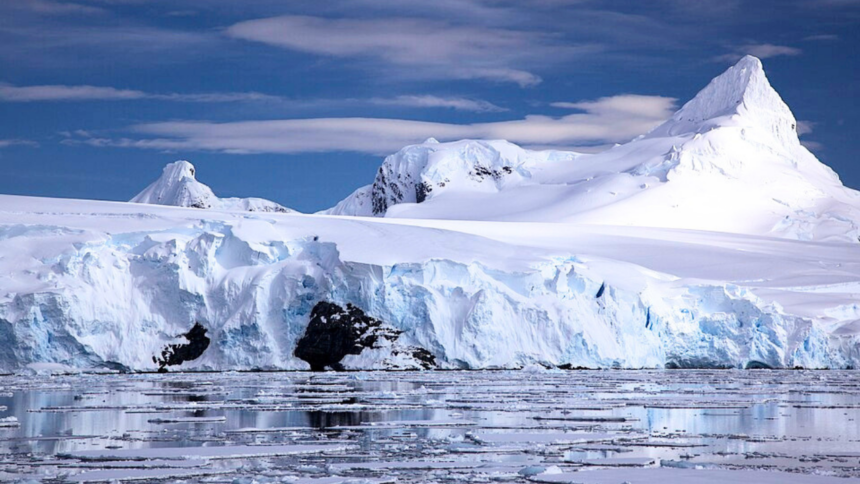
The usually unforgiving expanse of Antarctica’s winter sea ice has vanished, leaving a gaping chasm the size of France in its wake. Satellite observations have revealed that nearly 650,000 square kilometres of sea ice, normally a steadfast fixture of the frozen continent, has failed to form in the Bellingshausen Sea off West Antarctica. This alarming development has sent shockwaves through the scientific community, raising unsettling questions about the resilience of the Antarctic ecosystem and the long-term implications for the planet’s climate.
The Unsettling Silence of the Bellingshausen Sea
Researchers have been monitoring the Bellingshausen Sea, a critical region of the Southern Ocean, for decades. Typically, this area would be blanketed with a thick layer of sea ice, providing a vital shield against the harsh Antarctic environment. However, this winter has seen an unprecedented absence of ice, with satellite imagery revealing a vast, exposed expanse of open water. The implications are far-reaching, as the loss of sea ice can have a ripple effect throughout the entire ecosystem, impacting everything from marine life to the stability of the Antarctic ice sheet.
One of the most concerning aspects of this development is the significant temperature anomaly that has been observed in the region. Temperatures have soared 20°C above average, creating a perfect storm of warmth that has left the sea ice in a state of suspended animation. This marked departure from the norm has left scientists scrambling to understand the underlying causes and potential consequences of this unprecedented event.
The Larger Context: A Climate in Flux
Antarctica has long been regarded as a bellwether for the health of the planet’s climate. The continent’s ice sheet, which contains approximately 70% of the world’s freshwater, is a critical component of the global carbon cycle. As the climate continues to warm, the ice sheet is showing signs of stress, with glaciers calving at an alarming rate and sea levels rising as a result. The loss of sea ice in the Bellingshausen Sea is a stark reminder of the far-reaching consequences of climate change and the need for urgent action to mitigate its effects.
While the absence of sea ice in the Bellingshausen Sea is a significant concern, it is also part of a broader trend of climate-related changes sweeping across the Antarctic continent. Rising temperatures, shifting weather patterns, and melting glaciers are all taking a devastating toll on the ecosystem, with far-reaching implications for the planet’s biodiversity and long-term habitability.
A New Era of Uncertainty for Antarctica
The loss of sea ice in the Bellingshausen Sea marks a new era of uncertainty for Antarctica, a continent already beset by the challenges of climate change. As the scientific community grapples with the implications of this unprecedented event, it is clear that the future of the frozen continent hangs in the balance. With temperatures soaring and the ice sheet showing signs of stress, the clock is ticking for Antarctica – and the planet – to take action and address the pressing issue of climate change.
As the Antarctic winter draws to a close, the exposed waters of the Bellingshausen Sea serve as a stark reminder of the fragility of the frozen wilderness and the urgent need for climate action. The scientific community will continue to monitor the situation, working tirelessly to understand the underlying causes and potential consequences of this alarming development. One thing is clear, however: the future of Antarctica – and the planet – depends on our collective ability to address the pressing issue of climate change and take decisive action to protect the frozen continent’s fragile ecosystem.