The recent death of a seven-year-old boy from Kerala’s Malappuram district has brought the state’s Shigella-related death toll to four this year, prompting concerns over the spread of this highly infectious bacterial disease. The boy, who was undergoing treatment at a government hospital, succumbed to the infection, highlighting the need for improved healthcare measures and awareness about the disease. As the number of cases continues to rise, health officials are working tirelessly to contain the outbreak and prevent further fatalities.
Understanding Shigella
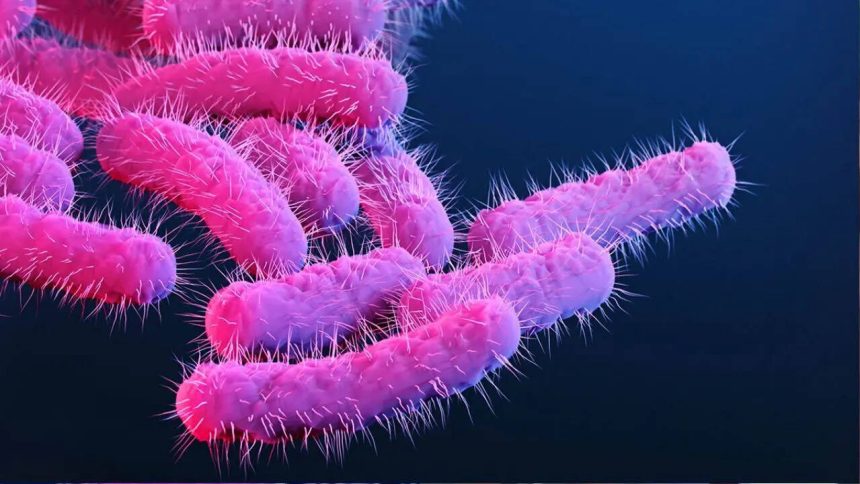
Shigella is a highly contagious bacterial infection that affects the digestive system, causing symptoms such as diarrhea, fever, and abdominal pain. The disease is commonly spread through contaminated food and water, as well as through direct contact with an infected person. In severe cases, Shigella can lead to life-threatening complications, particularly in vulnerable individuals such as children, the elderly, and those with weakened immune systems. The recent outbreak in Kerala has raised concerns over the state’s preparedness to handle such health crises and the need for effective measures to prevent the spread of the disease.
The Kerala government has initiated measures to tackle the outbreak, including the establishment of dedicated treatment centers and the deployment of health workers to affected areas. However, more needs to be done to address the root causes of the outbreak and to ensure that the state’s healthcare system is equipped to handle such emergencies. This includes improving sanitation and hygiene facilities, particularly in rural areas, and enhancing awareness about the disease among the general public.
Response and Prevention
The Kerala government has launched a series of initiatives to combat the Shigella outbreak, including awareness campaigns and vaccination programs. Health officials are working to identify the source of the outbreak and to contain the spread of the disease. The government has also established a dedicated helpline for individuals to report suspected cases and to seek medical assistance. Furthermore, measures are being taken to improve the state’s water supply and sanitation facilities, which are critical in preventing the spread of water-borne diseases like Shigella.
Prevention is key in tackling the Shigella outbreak, and individuals can take several steps to protect themselves and their loved ones. This includes practicing good hygiene, such as washing hands regularly, avoiding contaminated food and water, and seeking medical attention immediately if symptoms persist. The government and health officials must also work together to address the socio-economic factors that contribute to the spread of the disease, such as poverty, lack of access to clean water, and inadequate healthcare facilities.
Looking Ahead
As the situation in Kerala continues to unfold, it is essential that the government and health officials remain vigilant and proactive in their response to the outbreak. This includes continuously monitoring the situation, providing timely medical assistance to affected individuals, and taking measures to prevent the spread of the disease. The recent deaths have highlighted the need for a comprehensive approach to tackling the outbreak, one that involves not only the healthcare sector but also other stakeholders, including local communities, schools, and businesses.
The Shigella outbreak in Kerala serves as a stark reminder of the importance of investing in public health infrastructure and of the need for a coordinated response to health crises. As the state works to contain the outbreak and prevent further fatalities, it is crucial that lessons are learned from this experience, and that measures are taken to strengthen the state’s healthcare system and to improve its preparedness to handle such emergencies in the future. The people of Kerala deserve nothing less, and it is the responsibility of the government and health officials to ensure that they receive the best possible care and support during this challenging time.