The ongoing US-Iran conflict may seem like a distant concern for India, but the ripple effects of this West Asia crisis have significantly altered the country’s trade map. In a quiet yet profound shift, India’s import landscape has seen a notable increase in trade with certain Gulf nations. Oman, for instance, emerged as a new player in India’s import scene, rising to the 30th spot in April-May 2025. This transformation is a testament to India’s expanding economic horizons and its growing reliance on new trade routes.
Realigning Trade Routes
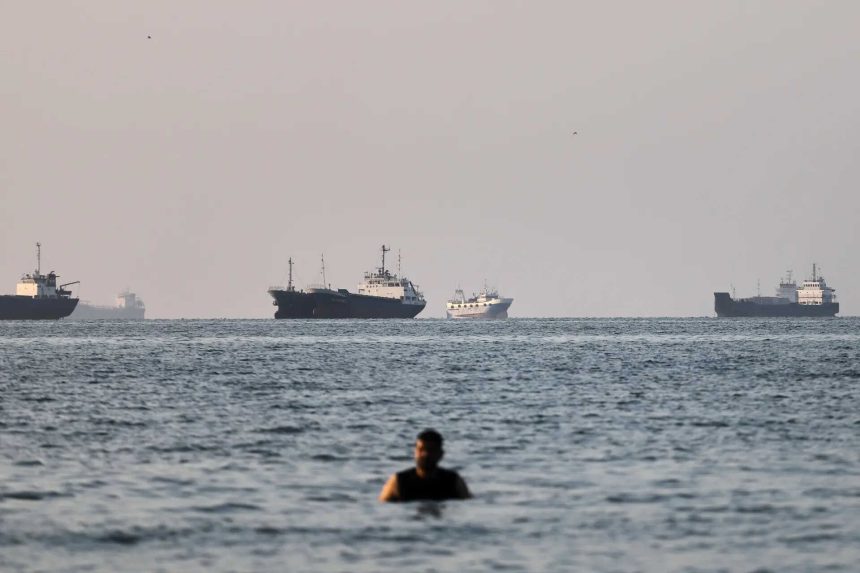
India’s trade map has long been shaped by its strategic relationships with the Gulf Cooperation Council (GCC) countries. Traditionally, the UAE, Saudi Arabia, and Iran have been India’s top trading partners in the region, accounting for a significant share of the country’s imports. However, with the US-Iran war casting a shadow over the region, these traditional trade routes have become increasingly uncertain. The conflict has disrupted the flow of energy supplies, led to a spike in oil prices, and made traditional trade corridors riskier. As a result, many Indian traders and businesses have begun to explore alternative trade routes, including Oman, which has emerged as a key player in the region.
Oman’s strategic location, midway between the East and the West, has made it an attractive alternative for Indian traders seeking to bypass the US-Iran conflict. The country’s modern ports, infrastructure, and business-friendly environment have further facilitated India’s trade expansion with Oman. The bilateral trade between the two countries has seen a significant surge in recent months, with India importing a range of goods, including oil, gas, and metals. Oman’s growing importance in India’s trade map is a reflection of the country’s strategic rebalancing in the region.
From Traditional Trade to Diversification
India’s trade diversification efforts have been underway for several years, driven by its desire to reduce dependence on a few major trading partners and tap into new markets. The US-Iran war has merely accelerated this process, forcing Indian businesses to adapt to changing circumstances. The government’s ‘Make in India’ initiative, aimed at promoting domestic manufacturing and reducing imports, has also played a role in India’s trade diversification. By reducing imports and increasing exports, India aims to boost its trade balance and reduce its reliance on foreign oil and gas.
As India continues to navigate the complexities of the US-Iran conflict, its trade map is likely to undergo further changes. The country’s trade relationships with Oman and other GCC countries are expected to deepen, while traditional trade routes with the US and Iran may continue to be uncertain. This transformation presents both opportunities and challenges for Indian businesses, which must adapt to changing circumstances and identify new trade opportunities. In the long run, India’s trade diversification efforts are likely to pay off, as the country strengthens its economic ties with new partners and deepens its engagement with the global economy.
Adapting to a New Reality
In the face of the US-Iran war, India’s trade map has undergone a significant transformation. As the country continues to navigate the complexities of the conflict, it must adapt to a new reality, where traditional trade routes are uncertain and new trade corridors are emerging. India’s trade diversification efforts, driven by its desire to reduce dependence on a few major trading partners, have been accelerated by the US-Iran war. As the country deepens its economic ties with new partners and forges new trade relationships, its trade map will continue to evolve in response to changing global circumstances.
For India, the US-Iran war has presented a unique opportunity to redefine its trade relationships and strengthen its economic ties with the global community. As the country continues to navigate this new reality, it must remain agile, adaptable, and committed to its trade diversification goals. By doing so, India can emerge from this crisis stronger, more resilient, and better equipped to face the challenges of a rapidly changing global economy.