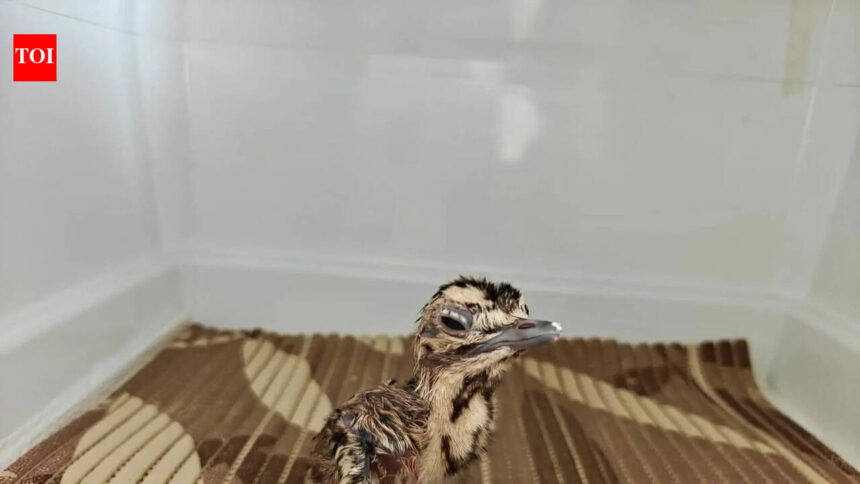
The Great Indian Bustard, one of India’s most critically endangered bird species, has received a significant boost with the successful hatching of three chicks under Project GIB in Jaisalmer, Rajasthan. This remarkable achievement marks a major milestone in the conservation efforts of this majestic bird, whose numbers have been dwindling alarmingly over the years due to habitat loss, poaching, and other human activities. The hatching of these chicks is a testament to the dedication and hard work of the team involved in Project GIB, and it raises new hopes for the survival and revival of the Great Indian Bustard population in the country.
Conservation Efforts
The Great Indian Bustard is a large and powerful bird, known for its striking appearance and impressive courtship displays. However, its population has been declining drastically due to various threats, including habitat destruction, hunting, and collision with power lines and wind turbines. Project GIB, launched by the Rajasthan government in collaboration with conservation organizations, aims to protect and conserve the Great Indian Bustard and its habitats through a range of measures, including habitat restoration, research and monitoring, and community engagement. The project also involves the establishment of a breeding program for the species, which has led to the successful hatching of the three chicks.
The conservation of the Great Indian Bustard is not just important for the species itself, but also for the ecosystem as a whole. As a keystone species, the Great Indian Bustard plays a crucial role in maintaining the balance of its ecosystem, and its loss could have significant cascading effects on the environment. The success of Project GIB and the hatching of the three chicks are, therefore, not just a victory for the conservation of the Great Indian Bustard, but also for the preservation of the natural heritage of India.
Habitat and Distribution
The Great Indian Bustard is found in the grasslands and dry scrublands of India, particularly in the states of Rajasthan, Gujarat, Maharashtra, and Madhya Pradesh. The species is known to inhabit open areas with low vegetation, where it can forage for food and breed. However, the destruction and degradation of its habitats due to human activities such as agriculture, urbanization, and infrastructure development have reduced the available habitat for the Great Indian Bustard, making it difficult for the species to survive. The establishment of protected areas, such as wildlife sanctuaries and national parks, is essential for the conservation of the Great Indian Bustard and its habitats.
The distribution of the Great Indian Bustard is also affected by the availability of food and water. The species is known to feed on a variety of insects, small mammals, and plants, and it requires access to water sources for drinking and breeding. The loss of wetlands and water bodies due to human activities has, therefore, further exacerbated the decline of the Great Indian Bustard population. The conservation of the species requires, therefore, a comprehensive approach that takes into account its habitat, distribution, and ecological requirements.
Future Prospects
The successful hatching of the three Great Indian Bustard chicks under Project GIB is a significant step forward in the conservation of the species. The chicks will be hand-reared and released into the wild once they are old enough, providing a much-needed boost to the dwindling population of the Great Indian Bustard. The success of the breeding program will also provide valuable insights into the biology and ecology of the species, which will inform future conservation efforts.
The conservation of the Great Indian Bustard is a long-term process that requires the involvement and commitment of multiple stakeholders, including government agencies, conservation organizations, local communities, and the general public. The success of Project GIB and the hatching of the three chicks demonstrate the potential for collaborative conservation efforts to make a positive impact on the fate of endangered species. As the Great Indian Bustard continues to face numerous threats to its survival, the conservation community must remain vigilant and committed to protecting this magnificent bird and its habitats, ensuring the long-term survival of the species and the preservation of India’s natural heritage.