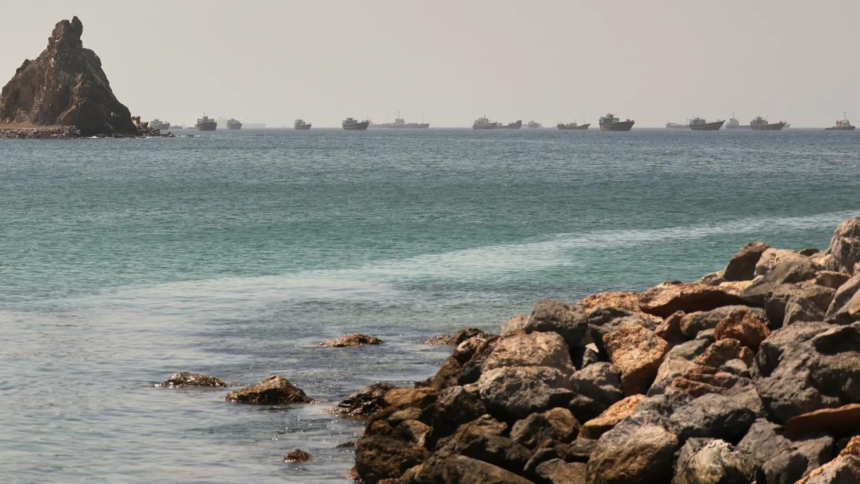
The Middle East has long been a powder keg of global tensions, with the Strait of Hormuz serving as a critical chokepoint for international oil trade. Now, US intelligence agencies have sounded the alarm that Iran has developed a powerful new tool to disrupt the global economy: the ability to effectively shut down the Strait of Hormuz at will. This strategic capability, which has been years in the making, gives Tehran a significant bargaining chip in its ongoing negotiations with the international community, and has been cited as a major concern by US policymakers.
Iran’s Strait Closing Strategy
Iran’s capabilities in this regard have been significantly enhanced in recent years, with the country’s military modernization efforts and the development of advanced missile technologies playing key roles in its strategy. The country’s naval forces have been equipped with sophisticated anti-ship missiles and torpedoes, capable of targeting and sinking even the largest oil tankers. Additionally, Iran’s Revolutionary Guard Corps has been instrumental in developing the country’s mine-laying capabilities, which have been used to devastating effect in the past.
US intelligence officials have estimated that Iran now has the ability to lay mines across the entire width of the Strait of Hormuz, effectively blocking all traffic and crippling the global economy. This capability has been seen as a game-changer by many analysts, who believe it will give Iran significant leverage in its negotiations with the international community. The implications of this development are far-reaching, with the global economy potentially facing significant disruptions if the Strait of Hormuz is shut down.
Global Economic Consequences
The potential consequences of Iran’s new capability are enormous, with many experts warning of widespread economic disruption and chaos if the Strait of Hormuz is shut down. The Strait is a critical artery of international trade, with over 20% of the world’s oil passing through it every day. A shutdown of the Strait would send oil prices skyrocketing, potentially triggering a global economic crisis. Additionally, the disruption of global trade would have far-reaching consequences, with many countries facing shortages of vital goods and supplies.
US policymakers are deeply concerned about the implications of Iran’s new capability, with many officials warning of the need for a robust and effective response to this development. The US has been working closely with its allies in the region to develop a comprehensive strategy to counter Iran’s capabilities and prevent a shutdown of the Strait of Hormuz. However, many experts believe that the US and its allies will face significant challenges in countering Iran’s new capability, particularly if the country decides to utilize it in a crisis.
Implications for Global Security
The implications of Iran’s new capability extend far beyond the economic sphere, with many experts warning of significant consequences for global security. A shutdown of the Strait of Hormuz would have far-reaching consequences for regional and global stability, potentially triggering a wider conflict in the Middle East. Additionally, the development of this capability by Iran has been seen as a major concern by many countries in the region, who fear that it may embolden other nations to pursue similar strategies.
The implications of Iran’s new capability are profound, and have significant implications for the global community. As the country continues to develop and refine its capabilities, the US and its allies will be forced to develop new and innovative strategies to counter this threat. In the meantime, the international community will be holding its breath as it waits to see how Iran will choose to utilize its new capability, and what the consequences will be for global security and stability.