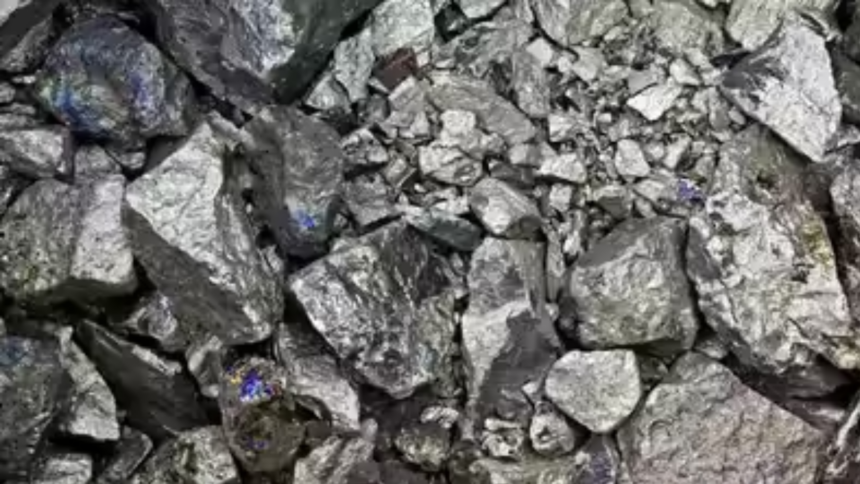
India is taking significant steps to diversify its critical mineral supply chains by engaging in talks with a Russia-linked Siberian deposit to source rare earth samples. This move is part of a broader strategy to reduce the country’s reliance on China, which has long been the dominant player in the global rare earth market. With the demand for rare earth minerals continuing to grow, driven by the increasing use of advanced technologies such as electric vehicles, renewable energy systems, and digital devices, India is keen to secure a stable and diversified supply of these critical minerals.
Rare Earth Minerals and Their Importance
Rare earth minerals are a group of 17 elements that are essential for the production of a wide range of high-tech products, including electronics, ceramics, and glass. They are also used in the manufacture of advanced ceramics, pigments, and phosphors. The unique properties of rare earth minerals make them crucial for many modern technologies, and their demand is expected to continue to rise in the coming years. India’s efforts to source rare earth samples from Russia are therefore seen as a strategic move to secure access to these critical minerals and reduce its dependence on China.
The Indian government has been actively promoting the development of the country’s rare earth industry, with a focus on exploration, mining, and processing of these minerals. The government has also established a number of initiatives aimed at encouraging private sector investment in the rare earth sector, including the provision of financial incentives and the creation of special economic zones. By pursuing rare earth samples from Russia, India is seeking to leverage its diplomatic relationships with other countries to secure access to these critical minerals and promote the growth of its domestic rare earth industry.
India’s Diversification Strategy
India’s efforts to diversify its critical mineral supply chains are part of a broader strategy to reduce its dependence on China and promote the growth of its domestic industries. The country has been actively engaging with other countries, including the United States, Australia, and Canada, to explore opportunities for cooperation in the rare earth sector. India has also been investing in research and development to improve its capabilities in the exploration, mining, and processing of rare earth minerals. By pursuing a diversified approach to critical mineral supply chains, India is seeking to mitigate the risks associated with reliance on a single supplier and promote the long-term sustainability of its industries.
The Indian government has also been working to create a favorable business environment for the rare earth industry, with a focus on simplifying regulatory procedures and providing support for private sector investment. The government has established a number of institutions and organizations aimed at promoting the development of the rare earth sector, including the Indian Rare Earths Limited and the Department of Atomic Energy. These institutions are working to develop the country’s rare earth resources, improve its processing capabilities, and promote the use of rare earth minerals in a wide range of applications.
Implications and Future Prospects
The implications of India’s efforts to source rare earth samples from Russia are significant, both for the country’s domestic industries and for the global rare earth market. By reducing its dependence on China, India is seeking to promote the growth of its domestic rare earth industry and mitigate the risks associated with reliance on a single supplier. The country’s diversified approach to critical mineral supply chains is also expected to have a positive impact on the global rare earth market, by promoting competition and reducing the dominance of Chinese suppliers.
As India continues to pursue its strategy of diversifying critical mineral supply chains, the country is likely to emerge as a significant player in the global rare earth market. With its large and growing market, India is expected to play an increasingly important role in shaping the future of the rare earth industry, and its efforts to source rare earth samples from Russia are seen as a key step in this process. By securing access to a stable and diversified supply of rare earth minerals, India is seeking to promote the long-term sustainability of its industries and reduce its dependence on external suppliers, and this move is expected to have far-reaching implications for the country’s economic growth and development.