The Indian aviation sector is bracing itself for a tough year ahead, with a decline in operating profits projected for domestic carriers. The elevated aviation turbine fuel (ATF) prices, airspace restrictions, and the rupee’s depreciation caused by the ongoing conflict in the Middle East are casting a long shadow over the sector, threatening the profitability of the airlines. The Crisil report has sounded a warning bell, predicting a decline of 10-15 per cent in the operating profits of Indian airlines this fiscal year.
Soaring ATF Prices Put Airlines in a Headlock
The aviation turbine fuel is the lifeblood of the airline industry, accounting for nearly 40 per cent of their operating costs. The recent surge in ATF prices has dealt a blow to the airlines, making it challenging for them to maintain their profit margins. The prices of ATF have skyrocketed in the past few months, with a 20 per cent increase in the past one year alone. This hike has resulted in a significant increase in the airlines’ fuel expenditure, eating into their profits.
The other major concern for the airlines is the airspace restrictions imposed by several countries, including India, in response to the rising tensions in the Middle East. The closure of airspaces in the region has resulted in longer flight routes and increased fuel consumption, further burdening the airlines. The Indian government has also imposed restrictions on flights to and from the affected countries, impacting the airlines’ operations and passenger traffic.
Forex Volatility Adds to Airlines’ Woes
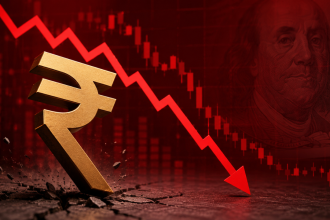
The ongoing conflict in the Middle East has led to a depreciation of the rupee against the US dollar, making imports, including ATF, more expensive. The airlines are heavily dependent on imports to meet their fuel requirements, and the depreciation of the rupee has resulted in a significant increase in their fuel costs. The situation is further exacerbated by the high import costs, which are passing on to the consumers in the form of higher airfares.
The airlines are also facing a credit squeeze due to the forex volatility, making it challenging for them to raise funds to meet their operational requirements. The credit rating agencies have downgraded several airlines in recent months, citing their high debt levels and weak credit profiles. The airlines are now facing a perfect storm of high fuel costs, airspace restrictions, and forex volatility, which is threatening their very existence.
Airlines Scramble to Mitigate the Impact
The airlines are scrambling to mitigate the impact of the crisis, but it’s an uphill task. They are exploring alternative fuel sources, renegotiating their fuel contracts, and implementing cost-cutting measures to reduce their operational expenses. However, these measures may not be enough to offset the impact of the crisis, and the airlines are bracing themselves for a tough year ahead.
The Indian aviation sector is a significant contributor to the country’s economy, and a decline in the airlines’ profitability will have a ripple effect on the entire ecosystem. The government needs to take proactive measures to mitigate the impact of the crisis and support the airlines in these challenging times. The sector needs a stable and conducive environment to grow, and it’s high time for the government to come up with a comprehensive policy to address the concerns of the airlines.
The airlines are not just facing a financial crisis but also a reputational crisis. The ongoing conflict in the Middle East has cast a shadow over the sector, and the airlines need to work hard to restore consumer confidence. The government needs to ensure that the airlines are equipped to handle the crisis and provide a stable and secure flying experience to the passengers.
The Indian aviation sector has a long way to go before it can recover from the current crisis. The situation is grim, but it’s not impossible to mitigate the impact. The airlines, the government, and the entire ecosystem need to work together to ensure that the sector emerges stronger and more resilient than ever.