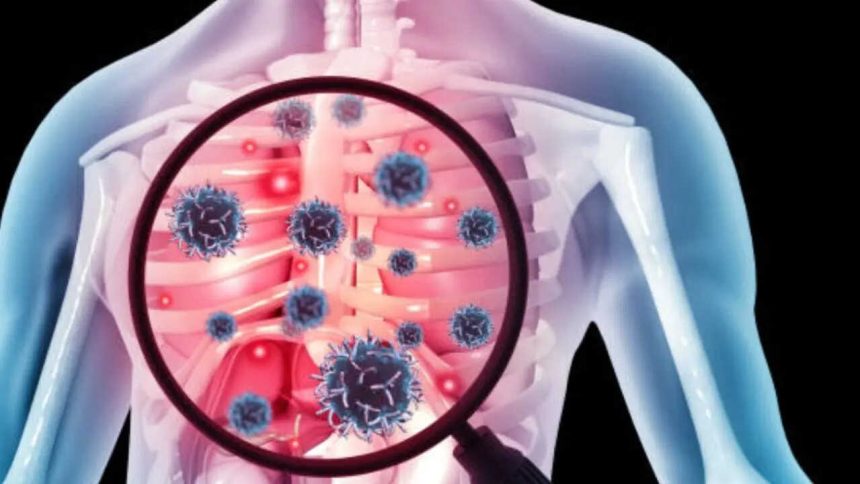
A sweeping tuberculosis screening effort across the Northeast has uncovered a startling reality: more than one-third of the TB cases detected among vulnerable populations showed no symptoms at all. This finding has significant implications for public health efforts, as it highlights the challenge of identifying ‘silent’ infections that often go unnoticed until they are picked up through active screening. The discovery has sparked concerns among health officials, who are now scrambling to develop more effective strategies for detecting and treating TB cases before they become severe.
Understanding the Challenge
The TB screening program, which targeted high-risk groups such as children, elderly individuals, and those with compromised immune systems, revealed that many people were unknowingly carrying the infection. The fact that over one-third of these cases were asymptomatic underscores the need for more comprehensive and proactive approaches to TB detection. If left untreated, TB can lead to severe health complications, including respiratory failure, and even death. The lack of visible symptoms in many cases makes it difficult for healthcare providers to identify and treat the infection before it progresses to a more advanced stage.
The screening program also highlighted the importance of robust healthcare infrastructure in supporting TB detection and treatment efforts. In many parts of the Northeast, limited access to healthcare facilities and diagnostic equipment hinders the ability to detect and manage TB cases effectively. To address this challenge, health officials are working to strengthen healthcare systems and improve access to diagnostic tools and treatment options. This includes investing in mobile health clinics, training healthcare workers, and promoting community-based initiatives to raise awareness about TB and encourage people to get tested.
Breaking the Silence
The discovery of asymptomatic TB cases has significant implications for public health policy and practice. It emphasizes the need for a more proactive approach to TB detection, one that goes beyond relying on symptoms to identify cases. Active screening, which involves testing high-risk groups regardless of whether they show symptoms, is a critical component of this approach. By detecting and treating TB cases early, healthcare providers can prevent the infection from spreading to others and reduce the risk of severe health complications.
Moreover, the finding highlights the importance of community engagement and education in supporting TB detection and treatment efforts. Many people who are at risk of TB may not be aware of the infection or may be hesitant to seek medical care due to stigma or fear. To address this challenge, health officials are working to promote awareness about TB and encourage people to get tested. This includes partnering with community leaders, using social media and other communication channels to raise awareness, and providing support and resources to those who are affected by the infection.
Moving Forward
The experience of the Northeast TB screening program offers valuable lessons for other regions and countries seeking to combat the spread of TB. It highlights the importance of proactive approaches to TB detection, robust healthcare infrastructure, and community engagement and education. By learning from these lessons, healthcare providers and policymakers can develop more effective strategies for detecting and treating TB cases, and ultimately reducing the burden of this devastating infection.
The discovery of asymptomatic TB cases in the Northeast is a wake-up call for public health officials, highlighting the need for a more comprehensive and proactive approach to TB detection and treatment. As health officials move forward, they must prioritize active screening, community engagement, and education, and work to strengthen healthcare systems and improve access to diagnostic tools and treatment options. Only through a sustained and collective effort can we hope to control the spread of TB and protect the health and well-being of vulnerable populations.