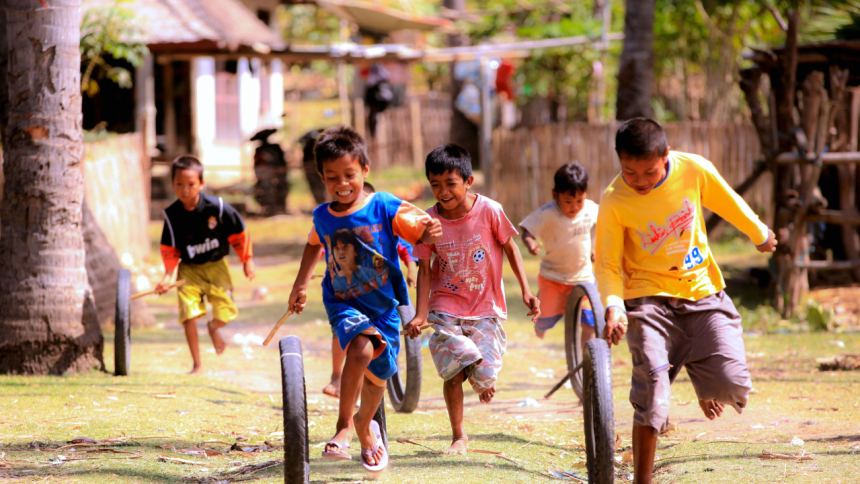
The 1990s were a time when childhood was a simpler, more carefree experience. Children played outside until the streetlights came on, their imaginations running wild as they created their own games and adventures. They waited patiently for their favourite TV shows to air, and often had to rely on their parents or older siblings to explain complex concepts. This was an era before the internet, social media, and on-demand entertainment dominated every spare moment. While today’s children enjoy remarkable convenience and connectivity, many of the everyday experiences that defined growing up in the 90s have become increasingly rare. In this article, we will explore some of the key differences between childhood then and now.
Waiting for Entertainment
One of the most significant differences between childhood in the 90s and today is the way children consume entertainment. Back then, kids had to wait for their favourite TV shows to air, often relying on their parents to record them on a VCR or waiting anxiously for the next episode. This meant that children had to be patient and wait for something they wanted, rather than being able to access it instantly. This patience was not just limited to TV shows, but also to music and movies, which often had to be purchased or rented before they could be enjoyed. This forced children to appreciate the value of the things they experienced, rather than taking them for granted.
Today, children can access almost any form of entertainment they want, instantly. They can stream their favourite TV shows and movies on-demand, listen to music online, and play video games whenever they want. While this convenience is undoubtedly beneficial, it has also led to a culture of instant gratification, where children are used to getting what they want, when they want it. This can make it difficult for them to appreciate the value of things, and to develop the patience and self-discipline that was once a hallmark of childhood in the 90s.
Exploring the Outdoors
Another key difference between childhood in the 90s and today is the way children spend their time outdoors. Back then, kids were encouraged to explore their neighbourhoods, ride their bikes, and play outside until the streetlights came on. This was not just a way to get exercise and fresh air, but also a way to develop social skills, learn about their community, and learn to navigate the world around them. Children were often given more freedom to roam and explore, and were encouraged to use their imaginations and creativity to create their own games and adventures.
Today, children are often more sedentary, spending more time indoors playing video games, watching TV, or staring at their smartphones. This can make it difficult for them to develop the social skills and self-reliance that comes from exploring the outdoors. While there are certainly many benefits to modern technology, it is worth considering whether the trade-off is worth it. By encouraging children to spend more time outdoors, we can help them develop a sense of adventure, independence, and self-reliance that will serve them well throughout their lives.
Learning through Books and People
Finally, childhood in the 90s was a time when children learned through books, teachers, and family members, rather than through the internet. This meant that children had to rely on their own research and critical thinking skills to find answers to their questions, rather than being able to look them up online. This taught children to be resourceful, to think critically, and to appreciate the value of knowledge and learning.
Today, children can access vast amounts of information online, and often rely on the internet to answer their questions. While this can be beneficial, it can also lead to a culture of instant answers, where children are used to getting the answers they want, without having to put in the effort to find them. This can make it difficult for them to develop the critical thinking skills and resourcefulness that was once a hallmark of childhood in the 90s.
Ultimately, childhood in the 90s was a time of simplicity, patience, and self-reliance. While modern technology has certainly brought many benefits, it is worth considering whether the trade-off is worth it. By encouraging children to spend more time outdoors, to appreciate the value of things, and to develop their critical thinking skills, we can help them develop a sense of adventure, independence, and self-reliance that will serve them well throughout their lives.