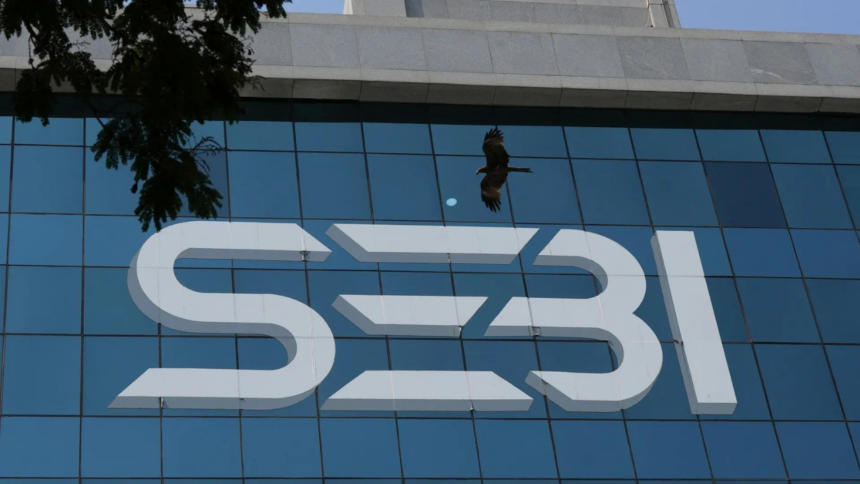
The Securities and Exchange Board of India (Sebi) has taken significant steps to revamp the regulatory framework, aiming to enhance market efficiency and provide a boost to the economy. In its latest move, Sebi has approved a slew of proposals, including the reintroduction of open market share buybacks through stock exchanges, relaxation of intra-day borrowing norms for mutual funds, and a faster fundraising mechanism for alternative investment funds (AIFs). This development is expected to have far-reaching implications for the Indian capital market, potentially leading to increased liquidity, improved investor sentiment, and a more vibrant market ecosystem.
Reintroduction of Open Market Share Buybacks
The reintroduction of open market share buybacks through stock exchanges is a significant development, as it provides companies with a more efficient and transparent mechanism for repurchasing their shares. This move is expected to benefit both companies and investors, as it will enable companies to return excess capital to shareholders, while also providing investors with an opportunity to exit their investments at a fair price. The open market share buyback route is also expected to reduce the volatility associated with traditional buyback methods, as it will allow companies to repurchase shares in a more gradual and orderly manner.
The relaxation of intra-day borrowing norms for mutual funds is another key proposal approved by Sebi. This move is expected to provide mutual funds with greater flexibility in managing their cash flows, enabling them to meet their liquidity requirements more effectively. By allowing mutual funds to borrow and lend securities on an intra-day basis, Sebi is aiming to reduce the risk of settlement failures, while also improving the overall efficiency of the market.
Faster Fundraising Mechanism for AIFs
The introduction of a faster fundraising mechanism for AIFs is a significant development, as it will enable these funds to raise capital more quickly and efficiently. AIFs play a critical role in the Indian economy, providing capital to startups, small and medium-sized enterprises, and other businesses that may not have access to traditional sources of funding. By streamlining the fundraising process for AIFs, Sebi is aiming to increase the flow of capital to these businesses, potentially leading to increased economic growth and job creation.
The faster fundraising mechanism for AIFs is also expected to attract more foreign investors to the Indian market, as it will provide them with a more efficient and transparent way of investing in Indian businesses. This, in turn, is expected to lead to increased foreign investment inflows, potentially leading to a strengthening of the Indian rupee and a reduction in the country’s fiscal deficit.
Implications and Future Outlook
The regulatory changes approved by Sebi are expected to have a positive impact on the Indian capital market, potentially leading to increased liquidity, improved investor sentiment, and a more vibrant market ecosystem. The reintroduction of open market share buybacks, relaxation of intra-day borrowing norms for mutual funds, and introduction of a faster fundraising mechanism for AIFs are all expected to contribute to a more efficient and transparent market, potentially leading to increased economic growth and development.
As the Indian economy continues to grow and evolve, it is likely that Sebi will continue to play a critical role in shaping the regulatory framework. The market regulator’s ability to balance the needs of different stakeholders, while also ensuring that the market remains fair and transparent, will be crucial in determining the long-term success of the Indian capital market. With its latest move, Sebi has taken a significant step in the right direction, potentially paving the way for a more vibrant and efficient market ecosystem in the years to come.